As an Amazon Associate I earn from qualifying purchases.
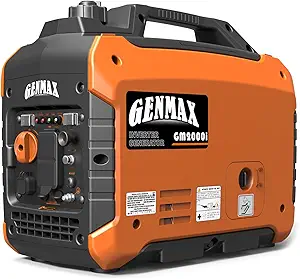
A compact 2,000-watt inverter generator can provide useful portable power without the size and weight of a larger conventional generator. These small generators are commonly used for camping, tailgating, RV trips, job sites, and short-term backup during a power outage. The key is understanding the difference between starting watts and running watts before deciding which model fits your needs.
Noise is another reason people choose inverter generators for camping, RV travel, and other situations where sound matters. Manufacturer noise ratings are typically measured at a specified distance and may vary depending on the electrical load. Compact inverter generators can also reduce engine speed when demand is low, which can lower noise and fuel use compared with running at a constant engine speed.
2,000W–2,500W Inverter Generators for 2026
| Model & Brand | Check Price |
|---|---|
| GENMAX GM2000i Portable Inverter Generator | Check Amazon Price |
| WEN 56200i Portable Inverter Generator | Check Amazon Price |
| A-iPower SC2000i Portable Inverter Generator | Check Amazon Price |
| PowerSmart 2500W Portable Inverter Generator | Check Amazon Price |
| Oxseryn Portable 2500W Inverter Generator | Check Amazon Price |
Prices, stock, sellers, and product specifications can change. Check the current Amazon listing and manufacturer’s specifications before purchasing.
Detailed Generator Overviews
GENMAX GM2000i Portable Inverter Generator
The GENMAX GM2000i is a compact gasoline inverter generator rated at 2,000 starting watts and 1,600 running watts. Its 79.7cc-class four-stroke OHV engine is designed for portable applications such as camping, tailgating, small appliances, and limited emergency backup.
GENMAX lists the generator at 34.2 pounds, with a 1.2-gallon fuel tank and up to 10 hours of runtime at 25% load. The manufacturer also lists a 58 dBA noise rating, low-idle operation, CO detection with automatic shutdown, and parallel capability.
The GM2000i produces inverter power intended for electronics such as laptops, phones, and other sensitive devices. However, its 1,600-watt running rating still limits how many high-draw appliances you can operate at the same time.
WEN 56200i Portable Inverter Generator
The WEN 56200i is a gasoline-powered inverter generator rated at 2,000 surge watts and 1,600 rated watts. Its 79.7cc four-stroke OHV engine is designed for applications such as camping, tailgating, construction work, and short-term outage backup.
Current product information lists the unit at 48 pounds with a noise rating of about 53 dB. It includes two 120V receptacles, a 12V DC receptacle, and a 5V USB port. WEN also supports parallel operation with its compatible parallel connection kit.
One important 2026 consideration is availability: WEN’s own product page currently shows the 56200i as sold out, so shoppers should verify current stock and the exact seller before purchasing.
A-iPower SC2000i Portable Inverter Generator
The A-iPower SC2000i produces 2,000 starting watts and 1,600 running watts and uses a 79cc Yamaha OHV four-stroke engine. Available specifications list a 52 dB noise level, a 1.1-gallon fuel tank, Eco Throttle, and parallel capability.
Its control panel includes 120V AC outlets along with 12V DC and USB connections. The generator is also specified as producing inverter power with approximately 3% THD, making it suitable for many common electronics when operated within its rated capacity.
Because the SC2000i is rated at only 1,600 running watts, users should calculate the continuous and starting wattage of their appliances before connecting multiple devices.
PowerSmart 2500W Portable Inverter Generator
The PowerSmart 2500W inverter generator is designed for buyers looking for more peak output than a traditional 2,000-watt-class generator. Its larger output class can be useful for applications where a small generator needs additional capacity for startup loads.
Before purchasing, check the current Amazon listing for the exact model number and verify its starting watts, running watts, noise rating, weight, runtime, and parallel capability. Product specifications can vary between PowerSmart models, and retail listings may change over time.
For any 2,500-watt generator, the most important number for continuous use is the running-watt rating. Do not assume that the peak wattage is available continuously.
Oxseryn Portable 2500W Inverter Generator
The Oxseryn 2500W Portable Inverter Generator produces 2,500 peak watts and 1,800 running watts from a 79.8cc four-stroke OHV gasoline engine. Oxseryn lists a 1.1-gallon fuel tank and up to 9.5 hours of runtime at 25% load.
The current specifications also list a noise level of under 58 dBA at 23 feet, inverter output of less than 3% THD, ECO mode, parallel capability, low-oil shutdown, and a CO sensor with automatic shutdown. The generator weighs approximately 40 pounds.
With 1,800 watts of continuous output, this model has more usable running capacity than a typical 2,000-watt-class generator rated at 1,600 running watts. Even so, users should calculate appliance startup and continuous wattage rather than relying only on the peak wattage number.
Why Choose a 2,000W Inverter Generator?
Ideal for Light-to-Medium Power Needs
A 2,000W inverter generator is best suited to smaller electrical loads rather than whole-home backup. Most models in this class provide around 1,600 to 1,850 running watts, with a higher starting-watt rating available for short periods.
Depending on the specific generator and appliance requirements, common uses include:
- Laptops, phones, routers, and other small electronics
- LED lights
- Small refrigerators or mini-fridges, provided startup demand is within the generator’s capacity
- CPAP machines and similar low-wattage equipment when the device manufacturer’s requirements are met
- Fans
- Small kitchen appliances used one at a time
- Selected power tools with compatible starting and running wattage
Always check the appliance’s rated and starting wattage before connecting it to a portable generator.
Quiet, Clean Energy
Inverter generators are designed to produce stable AC power by electronically converting and regulating the generator’s output. However, you should check the manufacturer’s specifications for the actual total harmonic distortion (THD) rating rather than assuming every inverter generator is below 3% THD.
Lower THD can make an inverter generator suitable for many sensitive electronic devices, but users should still follow the generator and appliance manufacturers’ instructions and stay within the generator’s rated capacity.
Several models in this category are rated below 60 dBA, although noise measurements should always be compared using the same measurement distance and operating conditions. For example, Champion lists several current 2,000W–2,500W inverter generators at 53 dBA from 23 feet.
Running Watts vs. Starting Watts
When shopping for a compact inverter generator, don’t choose a model based only on its headline wattage. Starting watts are the additional watts available for a short period when an appliance with a motor or compressor starts. Running watts are the amount of power the generator can continuously supply.
For example, a generator rated at 2,000 starting watts and 1,600 running watts should be treated as a 1,600-watt continuous power source. You also need enough starting capacity for appliances such as refrigerators, pumps, and certain power tools.
Add the running watts of the appliances you expect to use at the same time, then account for the highest starting-watt requirement. If the total exceeds the generator’s rated capacity, choose a larger generator or reduce the number of appliances operating simultaneously. Manufacturer guidance should always take priority when exact starting requirements are unavailable.
What Makes a 2,000W Generator Compact?
Compact inverter generators are generally designed around portability rather than maximum household capacity. Their smaller engines, enclosed inverter systems, and built-in carrying handles make them easier to transport than larger open-frame generators.
The trade-off is output. A compact generator may be convenient for camping or selected emergency loads, but it is not intended to power an entire home with multiple high-wattage appliances running simultaneously.
Weight is also important. A generator that looks compact on paper may still be difficult to carry once fuel is added. If you plan to move the generator frequently, compare the dry weight, dimensions, handle design, and fuel capacity instead of looking only at the wattage rating.
Safe Operation Matters
A portable gasoline generator should never be operated inside a house, garage, basement, shed, or other enclosed or partially enclosed space. Carbon monoxide from generator exhaust can accumulate quickly and create a life-threatening hazard.
Place the generator outdoors and away from occupied buildings, doors, windows, and vents, following the distance and installation instructions in the owner’s manual. A built-in CO sensor or automatic shutoff is an additional safety feature, not a substitute for proper generator placement and ventilation.
Never connect a portable generator directly to a home’s electrical wiring through a standard wall outlet. If you want to use a generator for home circuits, have a properly installed transfer switch or approved connection equipment installed by a qualified professional.
Final Thoughts
A compact inverter generator in the 2,000W class can be a practical option when portability, noise, and fuel use matter more than maximum electrical capacity. The most important specifications to compare are running watts, starting watts, noise level, weight, fuel capacity, runtime, parallel capability, and safety features.
Before buying, calculate the actual wattage requirements of the equipment you plan to run. A generator with 2,000 or 2,500 peak watts may have considerably less continuous output, so the running-watt rating should be the starting point for your decision.
Also verify the current model number, manufacturer specifications, fuel requirements, safety certifications, warranty, and Amazon availability before ordering. Generator specifications and retail availability can change, particularly for older models.