As an Amazon Associate I earn from qualifying purchases.
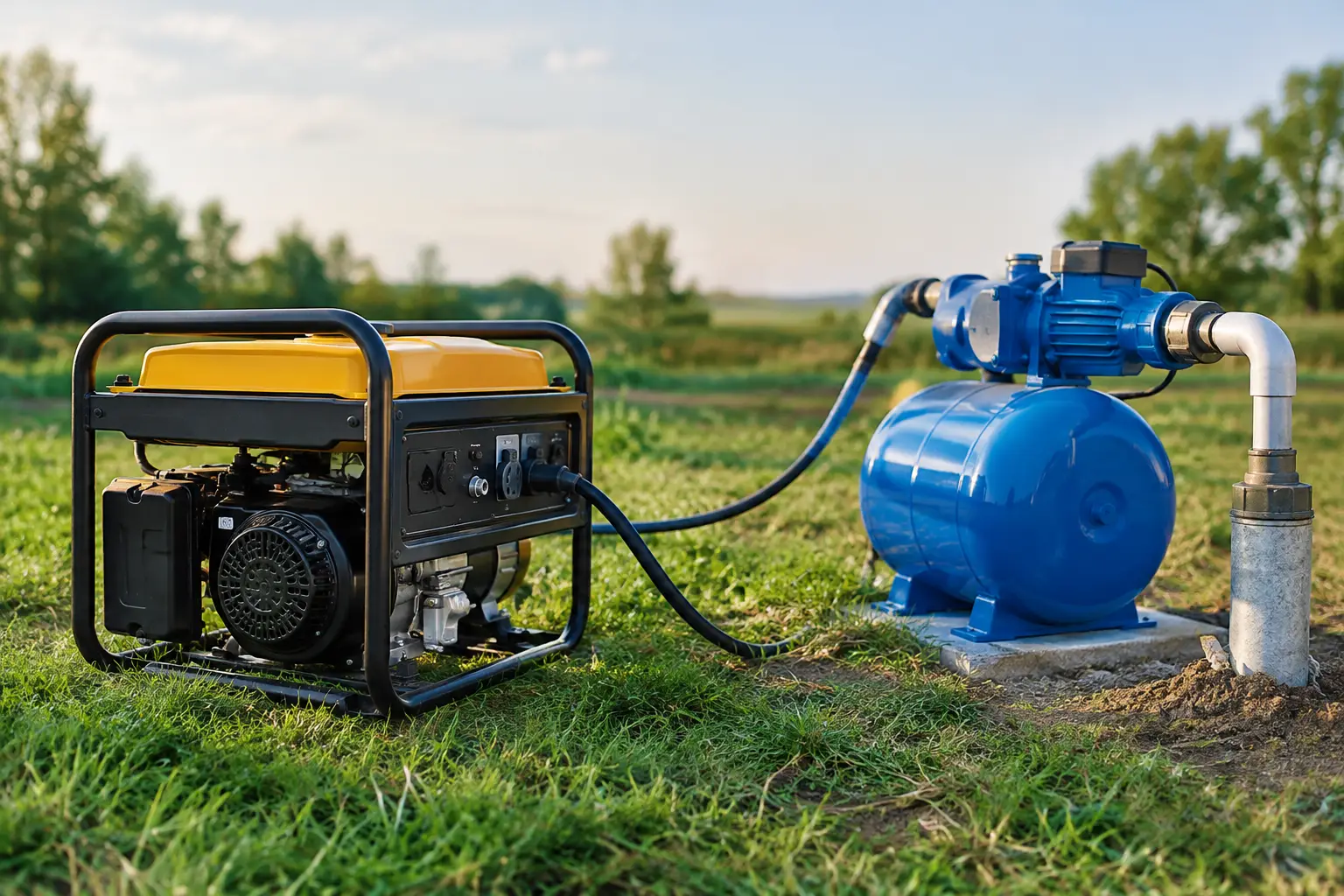
A power outage can leave a home without running water, even when the refrigerator, lights, and other essentials are powered by a backup generator. If your home relies on a private well, restoring the water supply requires a generator that can handle the pump’s electrical requirements and a safe way to connect it.
Learning how to run a well pump with a generator starts with three things: the pump’s voltage, its starting power demand, and the equipment used to connect it to the generator. Getting any of these wrong can prevent the pump from starting or create a serious electrical hazard.
For most homeowners, the best approach is to have a licensed electrician install a compatible transfer switch or approved generator interlock system. This allows the well-pump circuit to receive generator power without creating a dangerous connection to the utility grid.
Start by Checking Your Well Pump’s Electrical Requirements
Before choosing a generator, identify the type of well pump installed at your property. The motor’s electrical specifications determine which generators are suitable and how much power the system needs to start reliably.
Look for the pump motor’s nameplate, the label on its control box, or the original installation paperwork. Depending on the system, useful information may also be available from the well contractor or pump manufacturer.
Check these specifications:
- Voltage: Many residential submersible well pumps operate at 240 volts, while some shallow-well jet pumps use 120 volts.
- Horsepower (HP): This indicates the motor’s rated mechanical output, but it does not tell you the complete electrical demand.
- Amperage: The motor’s rated current helps determine its electrical requirements.
- Starting current: The motor can draw substantially more current when starting than it does during normal operation.
- Motor and control type: A conventional motor, a variable-speed pump, and a system with an electronic controller may have different generator requirements.
If the nameplate is missing or difficult to read, contact a qualified well technician. Do not guess at the pump’s specifications based on the depth of the well or the size of the pressure tank.
Does a Well Pump Need a 120V or 240V Generator?
The answer depends on the pump itself.
Many residential submersible pumps use 240-volt power. These pumps need a generator that provides a compatible 120/240-volt output. A generator with only standard 120-volt outlets cannot supply the required voltage simply because it has enough advertised watts.
Some smaller shallow-well pumps operate at 120 volts and may be compatible with a generator that provides that voltage, provided the generator can handle the motor’s starting demand.
Check the actual pump specifications before buying equipment. Voltage compatibility is a separate requirement from wattage, and both must be satisfied.
How Many Watts Does a Generator Need to Run a Well Pump?
A generator must supply enough power for the pump to operate and enough short-term capacity to start its motor.
This distinction is important because a generator may run a pump successfully once it is operating but fail when the motor tries to start. The resulting voltage drop, overload, or repeated starting attempts can damage equipment.
Running Watts vs. Starting Watts
Running watts describe the power a generator can supply continuously under its rated operating conditions. Starting watts describe the additional short-term capacity available to handle loads such as electric motors starting up.
A well pump’s startup demand depends on its motor design, horsepower, voltage, control equipment, and operating conditions. The exact requirement should come from the pump manufacturer’s documentation or an appropriate electrical assessment.
The following figures are illustrative planning estimates, not guaranteed specifications for every pump:
- A 1/2 HP pump may use approximately 1,000 running watts, with a higher demand during startup.
- A 3/4 HP pump may require more running and starting capacity than a comparable 1/2 HP model.
- A 1 HP pump can require several thousand watts during startup, depending on the motor and installation.
These examples are useful for understanding why generator sizing matters, but they should not be used as the sole basis for purchasing equipment. Actual electrical demand can differ considerably between pumps with the same horsepower rating.
Calculate the Generator Capacity You Need
Use this process to narrow down your options:
- Identify the pump’s rated voltage, amperage, horsepower, and starting requirements.
- Confirm whether the generator can supply the required voltage through a compatible output.
- Check the generator’s continuous wattage rating and its documented starting capacity.
- Account for other loads that may operate at the same time, including refrigerators, furnace blowers, lights, and other essential equipment.
- Confirm that the generator can handle the combined load without exceeding its ratings.
A qualified electrician or well-pump technician can help verify the numbers, especially when the pump’s starting current is unavailable or the installation includes electronic controls.
Do not assume that a generator is suitable just because its maximum wattage exceeds the pump’s estimated running consumption.
Choose a Generator That Matches Your Well Pump
For some homes, a portable generator in the 5,000- to 7,500-watt class provides a useful starting point for evaluating backup-power options. However, that range is not a universal requirement or a guarantee that a particular pump will start.
A smaller generator may be sufficient for a compatible pump with modest starting requirements. A larger pump or a home with several simultaneous electrical loads may require substantially more capacity.
Is a 5,000-Watt Generator Enough for a Well Pump?
It can be, but the answer depends on the pump’s actual starting demand and the generator’s electrical specifications.
A 5,000-watt generator with compatible 120/240-volt output may be suitable for certain residential well pumps. Another generator with the same advertised wattage might not provide the necessary starting capacity or may have a lower continuous rating.
Check the manufacturer’s specifications rather than relying on the headline wattage alone. Also consider which other appliances will be running when the pump starts.
If the generator struggles during startup, shut down the attempt rather than repeatedly forcing the pump to run.
What About a Larger Generator?
A larger portable generator can provide additional capacity for homes that need water alongside other essential circuits.
For example, the DuroMax XP13000HX is a generator model worth evaluating for a higher-capacity backup-power setup. Before choosing it for a well pump, confirm the unit’s current specifications, continuous output, available 240-volt connection, and rated output for the fuel you intend to use.
A larger generator is not automatically the best choice. The goal is to match the equipment to the real load while keeping installation costs, fuel consumption, noise, and maintenance manageable.
Should You Choose a Dual-Fuel Generator?
Fuel flexibility can be useful during extended outages.
Gasoline is widely used for portable generators, but it requires appropriate storage and regular maintenance. Propane can be convenient because it can be stored for extended periods in suitable approved containers, subject to the manufacturer’s instructions and local requirements.
A dual-fuel generator gives you the option to operate on gasoline or propane, depending on the model.
However, generator output may differ between fuels. If you expect to run the generator on propane during an outage, size your system using the manufacturer’s propane ratings rather than assuming the gasoline rating will remain available.
Check the Generator’s 240V Outlet and Electrical Ratings
The generator’s outlet configuration matters because the connection equipment must match both the voltage and the electrical load.
Many portable generators offer an L14-30R locking receptacle that supplies 120/240-volt power at a rated maximum of 30 amps. At nominal voltage, 30 amps at 240 volts corresponds to 7,200 volt-amperes. That figure does not mean every generator with this receptacle can supply 7,200 watts continuously.
The generator’s own continuous rating and the ratings of its receptacles, breakers, wiring, and connection equipment all matter.
Larger generators may offer a 50-amp, 120/240-volt outlet. A 50-amp receptacle does not guarantee that the generator can deliver 12,000 watts continuously, so verify the specifications before selecting the connection equipment.
The power inlet, transfer switch, generator cord, and protective devices must be compatible with the generator and the home’s electrical system.
How to Connect a Well Pump to a Generator Safely
A typical residential well pump is connected to a dedicated electrical circuit. Many pumps are hardwired, meaning they do not have a conventional plug that can simply be moved from a wall outlet to a generator.
For that reason, a permanent generator connection should be planned and installed by a licensed electrician familiar with the home’s electrical system and applicable local requirements.
Use an Approved Transfer Switch or Interlock
A transfer switch allows selected circuits to receive power from either the utility or the generator. A properly listed and compatible generator interlock can provide an alternative when permitted by the local electrical code and correctly installed on the specific panel.
The installation may include:
- A compatible transfer switch or approved interlock.
- A properly rated generator inlet.
- Suitable circuit breakers and conductors.
- A generator cord with the correct connectors and electrical rating.
- A configuration that complies with the applicable electrical code and manufacturer instructions.
The electrician should verify that the well-pump circuit is included and that the system can safely accommodate the generator’s output.
Never connect a generator to a dryer outlet, range outlet, or ordinary household receptacle to power the home. This practice, known as backfeeding, can energize utility lines and expose utility workers and other people to potentially fatal electrical hazards. It can also damage equipment.
Never improvise a connection using exposed conductors or a cord with male plugs at both ends.
If a safe, approved connection has not been installed, use an appropriate stored-water supply until qualified help is available.
Choose the Correct Generator Cord
The cord must match the generator receptacle, inlet, current rating, and installation requirements.
For example, a compatible 30-amp, four-prong 240-volt generator cord may be part of a suitable setup when the generator and transfer equipment are designed for that connection.
The required wire gauge depends on the cord’s current rating, length, installation conditions, and applicable requirements. Longer cords can increase voltage drop, so do not assume that a cord is suitable simply because its plugs fit.
Use only properly rated equipment, inspect it for damage, and follow the manufacturer’s instructions. Have the electrician verify the cord and inlet specifications as part of the installation.
Understand Generator Neutral Bonding
Portable generators differ in how their neutral conductor is connected to the frame. Some have a bonded neutral, while others have a floating neutral.
The appropriate configuration depends on the generator, transfer equipment, grounding and bonding arrangement, and applicable electrical requirements.
Do not remove a factory bond, install a bonding plug, or modify the generator’s wiring based on a generic online recommendation. Have a qualified electrician verify that the equipment is compatible and configured correctly.
How to Operate a Well Pump During a Power Outage
The safest time to prepare a well-pump backup system is before an outage. A supervised test can confirm that the generator, pump, and transfer equipment work together as intended.
Follow the operating procedure provided by the generator and transfer-equipment manufacturers. If you are unfamiliar with the system, ask the electrician to demonstrate the approved operating sequence.
Before Starting the Generator
Check the following:
- Confirm that the generator has the correct fuel and sufficient engine oil.
- Inspect the unit, power cord, and accessible connection equipment for visible damage.
- Make sure the generator is positioned outdoors in a safe, well-ventilated location.
- Turn off or disconnect unnecessary heavy loads using the approved controls.
- Confirm that the installed transfer equipment is in the correct position for the intended operation.
Do not open electrical panels or pump control boxes to perform live electrical checks.
Start the Generator and Restore Water Pressure
Once the generator is positioned safely, operate it according to the manufacturer’s instructions and allow it to stabilize as directed.
Use the approved transfer equipment to supply the well-pump circuit. If the system starts normally, allow the pump to restore pressure in the pressure tank.
Avoid starting several high-demand appliances at the same time. Adding loads gradually makes it easier to identify overload problems and helps prevent simultaneous motor starts from exceeding the generator’s capacity.
If the generator bogs down, the pump fails to start, or a breaker trips, stop the attempt and investigate the cause before trying again.
Shut Down the System Correctly
When you no longer need backup water, or when utility power returns, follow the shutdown procedure specified for your installed equipment.
In general, the pump and other connected loads should be managed through their designated controls, and the transfer equipment must be returned to the correct power source according to its instructions. Never attempt to reconnect the generator and utility supply simultaneously.
If you are unsure how to transfer the system back to utility power, contact the electrician who installed it.
Generator Safety: Carbon Monoxide, Fuel, and Weather
Correct generator sizing and electrical connections are only part of safe operation. Portable generators also produce carbon monoxide, create hot surfaces, and require careful fuel handling.
Keep the Generator Away From the House
Operate a portable generator outdoors, at least 20 feet from the home and away from doors, windows, vents, and other openings. Direct the exhaust away from the building and follow any greater separation distance required by the manufacturer.
Never operate a generator inside a house, garage, basement, shed, or other enclosed or partially enclosed space. Opening a door or window does not make indoor operation safe.
Install working carbon monoxide alarms on every level of the home and outside sleeping areas, following the alarm manufacturer’s instructions. Test them regularly.
Carbon monoxide is odorless and can be fatal. If an alarm sounds or anyone develops symptoms consistent with exposure, move everyone to fresh air immediately and call emergency services.
Protect the Generator From Rain Without Restricting Ventilation
Generators need appropriate protection from precipitation, but they must remain properly ventilated.
Use a purpose-built generator cover or shelter that is approved for the operating conditions and does not obstruct airflow or exhaust. Do not operate the unit inside an enclosed shelter or use a cover that can trap exhaust gases.
Follow the manufacturer’s instructions for wet-weather operation, electrical connections, and ground placement.
Refuel Safely
Gasoline and other fuels must be handled according to the generator manufacturer’s safety instructions.
Shut down the generator and allow it to cool before refueling. Keep fuel away from hot components, flames, sparks, and other ignition sources. Store fuel only in approved containers and in a suitable location.
During an extended outage, check engine oil and other maintenance items at the intervals specified in the manual.
How to Reduce Fuel Consumption When Running a Well Pump
A well pump does not normally need to operate continuously. In a conventional system, the pressure tank stores pressurized water and allows the pump to cycle as demand requires.
Once the tank reaches its normal pressure setting, the pump stops. It starts again when water use lowers the pressure enough to trigger the pressure switch.
To reduce unnecessary generator use:
- Avoid running several high-demand appliances at once.
- Use water efficiently while the generator is operating.
- Keep the generator maintained according to its service schedule.
- Check the manufacturer’s fuel-consumption figures at realistic operating loads.
- Store an appropriate supply of drinking water for emergencies.
Do not change pressure-switch settings or alter the pump’s controls simply to reduce fuel use. Those adjustments can affect system performance and should be handled by a qualified technician.
Common Problems When a Well Pump Will Not Run on a Generator
If the generator runs but the pump does not start, do not immediately assume that the generator is defective. The problem may involve voltage compatibility, starting capacity, the transfer equipment, or the pump itself.
The Generator Starts, but the Pump Does Not
First, consider whether the generator can provide the voltage required by the pump. A 240-volt pump will not operate properly from a supply that provides only 120 volts.
If the system was installed professionally, check the accessible operating controls and indicators described in the equipment manuals. Do not remove panel covers or test exposed wiring.
If the connection appears correct but the pump still does not run, contact an electrician or well technician.
The Generator Bogs Down When the Pump Starts
A pronounced engine slowdown or an overload warning during pump startup may indicate that the motor’s starting demand exceeds the available generator capacity.
Other appliances starting simultaneously can contribute to the problem. A pump with a failing capacitor, damaged control component, or mechanical fault may also draw abnormal current.
Stop repeated starting attempts. A technician can determine whether the generator is undersized, the pump needs service, or the electrical system has another problem.
The Pump Starts, but Water Pressure Is Low
Low water pressure does not necessarily mean that the generator is too small.
Possible causes include a pump problem, a pressure-switch issue, a leak, a low-yield well, or a problem with the pressure tank. A generator that cannot maintain suitable voltage under load may also affect pump performance.
If the problem occurs only during generator operation, have the electrical supply and generator capacity checked. If the same symptoms occur on normal utility power, a well-system fault is more likely.
A Breaker Keeps Tripping
A breaker that repeatedly trips can indicate an overload, a short circuit, a motor problem, or another electrical fault.
Do not keep resetting it or repeatedly restarting the pump. Stop using the affected circuit and have the system inspected by a qualified professional.
Frequently Asked Questions
Can I Run a Well Pump With a Portable Generator?
Yes, provided the generator supplies the pump’s required voltage and can handle its running and starting loads. The connection must also be compatible with the home’s electrical system. For a hardwired residential well pump, use an approved transfer switch or interlock installed by a qualified electrician. Never improvise a connection through a household outlet.
What Size Generator Do I Need for a 1/2 HP Well Pump?
The answer depends on the motor’s electrical specifications, starting demand, and voltage. A 1/2 HP pump may have a running demand around 1,000 watts, but startup can require substantially more. Check the pump manufacturer’s data and the generator’s continuous and starting ratings before selecting a unit.
Can a 3,500-Watt Generator Run a Well Pump?
Some compatible pumps may operate on a generator in this class, but the advertised wattage alone does not establish compatibility. The generator must provide the correct voltage and enough starting capacity for the motor. Confirm the actual pump requirements and generator output ratings before purchasing or operating the equipment.
Can I Run My Well Pump and Refrigerator at the Same Time?
Possibly, if the generator has sufficient continuous and starting capacity for both appliances. The pump and refrigerator each have motor-starting demands, which can overlap. Check the electrical requirements of both loads and allow for the possibility that they may start close together. If the generator overloads, shut down the attempt and reassess the load plan.
Can a Battery Power Station Run a Well Pump?
Some battery power stations can operate compatible well pumps, but many portable units provide only 120-volt output. A pump that requires 240 volts needs a power source specifically designed to supply that voltage and sufficient starting capacity. Battery systems must also have enough usable energy to meet the household’s water needs during the outage.
Should I Leave the Generator Running All Day?
Not necessarily. A conventional well pump cycles according to water demand and pressure-tank conditions, so it does not normally run continuously. Follow the generator’s operating and maintenance requirements, manage connected loads, and shut the system down when backup power is no longer needed.
Final Thoughts
Running a well pump with a generator safely requires more than choosing a unit with a high wattage rating. You need to confirm the pump’s voltage, account for motor-starting demand, and use an approved electrical connection that isolates the home from the utility grid.
Before buying a generator, verify the pump’s actual specifications and compare them with the generator’s continuous and starting capacity. If you need to connect a hardwired pump to backup power, have a licensed electrician install and test the appropriate transfer equipment.
Planning ahead can help you maintain access to water for drinking, cooking, cleaning, and sanitation during a power outage without taking unnecessary electrical or carbon monoxide risks.