As an Amazon Associate I earn from qualifying purchases.
A portable generator can keep food cold, lights on, and a well pump running during an outage, but only if the power reaches your home safely. This transfer switch guide explains the equipment that makes that possible. A transfer switch is not a convenience accessory to add later. It is the proper connection point between a generator and a home’s electrical system.
The unsafe alternative is running extension cords through doors and windows or, worse, trying to power the panel through a dryer outlet. The first method limits what you can run; the second can backfeed utility lines and endanger utility workers. A properly selected transfer switch, inlet box, and generator cord create a controlled path for backup power.
What a Transfer Switch Actually Does
A transfer switch changes your home’s power source from utility service to generator power. In the process, it isolates the generator from the utility grid. That isolation is the key safety function: power can flow from one source or the other, but the two sources cannot be connected at the same time.
For most homeowners with a portable generator, the system includes an outdoor power inlet box, a heavy-duty generator cord, and a manual transfer switch or panel interlock. You connect the generator outside, start it, move the power source to generator, and then energize only the circuits you selected for backup.
Standby generators use automatic transfer switches. When utility power fails, the switch signals the generator to start, waits for stable output, and transfers the house load automatically. When utility service returns, it transfers back and shuts the generator down after a cool-down period.
Both approaches can be safe and effective. The better choice depends on whether you want hands-on, lower-cost backup power or automatic whole-home coverage.
Transfer Switch Guide: Manual vs. Automatic
A manual transfer switch is usually the practical choice for a portable generator. It costs less than an automatic system, works with many inverter and conventional generators, and lets you choose which circuits matter during an outage. Common choices include a six-, eight-, or ten-circuit transfer panel installed near the main electrical panel.
This setup suits homeowners who want to cover essentials such as a refrigerator, furnace blower, sump pump, garage door opener, kitchen outlets, and a few lights. It can also be a smart solution for a well pump, provided the generator has enough starting capacity and supplies the correct voltage.
An automatic transfer switch is designed primarily for permanently installed standby generators. It is the right fit when backup power must come on while you are away, when someone in the home relies on powered medical equipment, or when outages regularly last long enough to make manual setup difficult. It is also more expensive because it typically involves a larger generator, fuel connection, professional installation, and load-management planning.
A panel interlock kit is another option worth understanding. It is not a transfer switch, but a panel-specific mechanical device that prevents the main breaker and generator breaker from being on together. An approved interlock can be an effective, space-saving solution, but it must match the exact electrical panel model and be installed correctly. Never substitute a homemade interlock or rely on breaker position alone.
Size the Switch, Inlet, Cord, and Generator Together
The amp rating printed on a transfer switch is only one part of the decision. The inlet box, generator outlet, generator cord, breaker, and transfer equipment must all support the same voltage and current rating.
A 30-amp, 120/240-volt connection can deliver up to 7,200 watts in theory. A 50-amp, 120/240-volt connection can deliver up to 12,000 watts in theory. Your generator’s rated running watts, not just its surge or peak watts, remain the real limit. A 50-amp inlet does not make a 5,000-watt generator produce more power.
Start by identifying the loads you truly need. Refrigerators and freezers have modest running wattage but higher startup demand. Sump pumps, well pumps, air conditioners, and furnace blowers can require significant starting power. Electric ranges, clothes dryers, central air systems, electric water heaters, and baseboard heat can consume a generator’s capacity quickly.
For example, a homeowner with a 7,500-running-watt portable generator may comfortably run refrigeration, lighting, internet equipment, a gas-furnace blower, and a sump pump with careful load management. Adding a 240-volt well pump may be possible, but only after confirming its voltage, horsepower, running amps, and startup requirement. Starting the pump while several high-demand appliances are already running can overload the generator.
Also verify the generator output. Many smaller inverter generators provide 120 volts only. They are excellent for camping, RV use, and individual appliances, but they cannot power 240-volt equipment such as many well pumps or central HVAC systems. For home-panel backup, a generator with a 120/240-volt outlet is usually the more flexible choice.
Choose Equipment That Matches Your Use Case
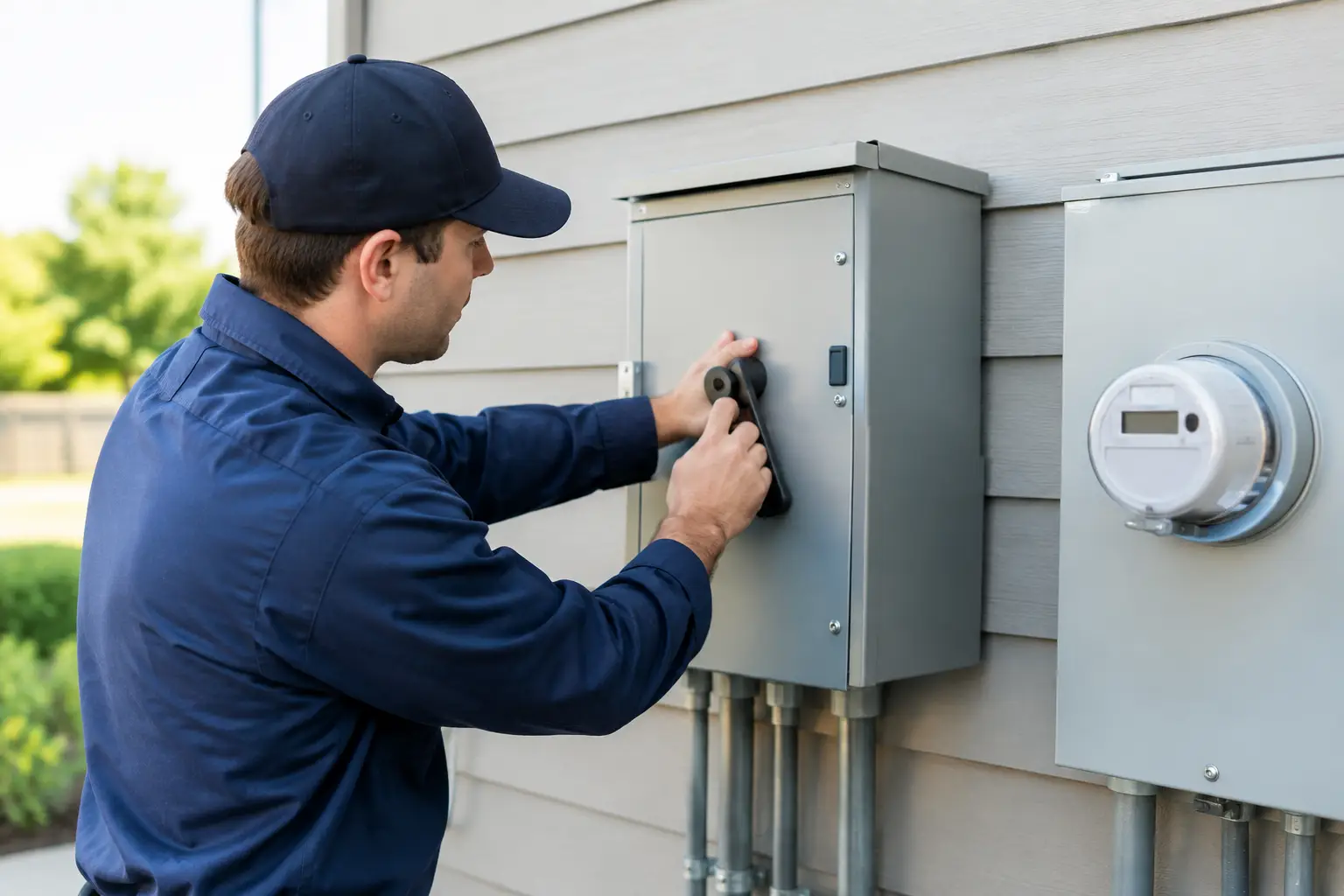
The inlet box belongs outdoors, in a location where the generator cord can reach without creating a trip hazard or crossing a driveway. Look for a weather-resistant enclosure, a clear amperage rating, and a compatible receptacle configuration. A 30-amp L14-30 inlet and cord are common for portable generator backup. Larger systems may use a 50-amp SS2-50 connection.
Do not use a lightweight household extension cord as a generator feeder. Generator cords should be rated for the voltage, amperage, and outdoor conditions involved. They also need the correct male and female ends for the generator and inlet box. An adapter may physically fit while still creating an unsafe or code-inappropriate connection, especially if it changes the intended amp rating.
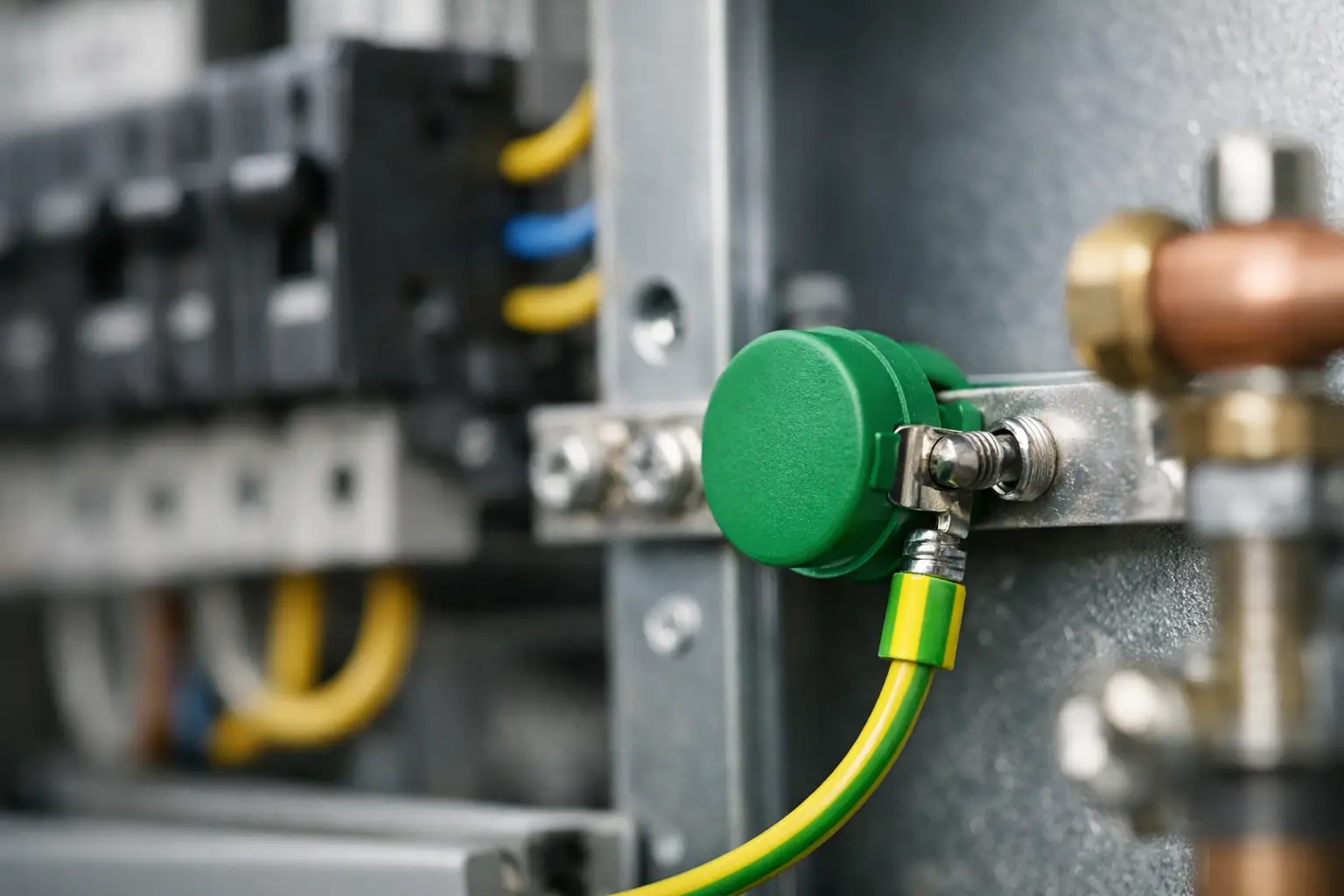
Neutral and grounding details also matter. Some portable generators have a bonded neutral, while others have a floating neutral. Whether the transfer equipment switches the neutral depends on the generator design and the installation. This is not a place for guesswork or a bonding plug added at random. Follow the generator and transfer-switch manufacturer instructions, and have a qualified electrician verify the configuration.
Installation Is a Job for a Qualified Electrician
Installing a transfer switch involves work inside or beside the main electrical panel. That means exposure to potentially energized conductors, code requirements, correctly sized breakers, and permit rules that vary by location. A licensed electrician can assess panel capacity, choose the correct transfer method, install the inlet, label circuits, and make sure the system is grounded and bonded properly.
Before scheduling the work, decide which circuits you want to operate. Walk through an outage scenario, not a normal day. Prioritize refrigeration, heat, water, communications, lighting, security equipment, and medical needs. If you have a well pump or sump pump, provide the electrician with the equipment nameplate information.
Ask whether your preferred setup supports multi-wire branch circuits, 240-volt loads, GFCI-protected generator outlets, and any planned future upgrade. A small manual transfer panel may be ideal now, while a larger inlet and interlock arrangement may offer more flexibility if you expect to buy a higher-output generator later.
Safe Operation and Routine Testing
When an outage occurs, place the generator outdoors on a dry, level surface well away from doors, windows, vents, and attached garages. Carbon monoxide is odorless and can enter a home quickly. Use battery-powered carbon monoxide alarms inside the house, even if the generator is positioned outside.
With a manual system, turn off or reduce major loads before transferring to generator power. Start the generator, connect the generator cord, transfer the selected circuits, then bring loads on one at a time. This gives the generator a chance to handle motor startup loads without an abrupt overload.
Test the system before an emergency. Run the generator under a meaningful load, confirm each selected circuit works, inspect the cord and inlet for heat or damage, and make sure everyone responsible for the home knows the basic sequence. Fuel should be kept fresh and stabilized, while oil level and maintenance intervals should follow the generator manual.
A transfer switch does more than make backup power easier to use. It gives your generator, inlet box, cords, and essential home circuits a safe plan for the moment you need them most.