As an Amazon Associate I earn from qualifying purchases.
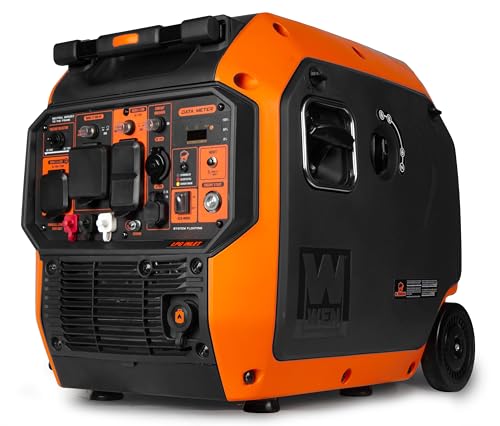
If you need backup power without the constant roar of a conventional generator, an ultra quiet inverter generator can make a big difference. Modern inverter generators are designed to reduce engine speed when electrical demand is low, while enclosed designs, tuned mufflers, and cooling systems help keep operating noise under control.
That makes them especially useful for RV camping, residential backup power, tailgating, outdoor work, and overnight use.
But there is an important detail many buying guides overlook: a lower dBA number does not automatically mean a generator is better for your particular application. You also need to consider running watts, starting watts, fuel type, RV outlet compatibility, 120V versus 120/240V output, weight, runtime, and carbon-monoxide safety features.
In this updated 2026 guide, we compare five quiet inverter generators and explain which type of buyer each one makes the most sense for.
Why Choose a Quiet Inverter Generator?
Traditional open-frame generators are designed primarily around power output and durability. Inverter generators take a different approach.
Instead of running the engine at a constant high speed, an inverter generator can adjust engine speed according to the electrical load. When you’re only charging a laptop or running a few lights, the engine may slow down. When you turn on a high-demand appliance, the generator increases output.
This combination of variable engine speed and an enclosed design can result in considerably quieter operation.
A good quiet inverter generator can be useful for:
- RV camping where campground noise matters
- Boondocking when you need to run an RV air conditioner
- Home backup for selected essential appliances
- Tailgating and outdoor events
- Residential outdoor projects
- Emergency power during an outage
- Running electronics that benefit from stable inverter-generated power
Many modern inverter generators also produce relatively clean electricity, commonly advertised at less than 3% total harmonic distortion (THD). That can make them suitable for electronics such as laptops, televisions, routers, and other sensitive equipment.
However, always check the specifications for the exact model rather than assuming every generator produces the same quality of power.
Best Ultra Quiet Inverter Generators for 2026
1. WEN DF680iX 6800-Watt Dual Fuel Inverter Generator
Check Amazon Price Click Here!
The WEN DF680iX is aimed at buyers who need considerably more power than a typical compact camping generator can provide.
Its dual-fuel design gives you the option of running on gasoline or propane, which can be useful during extended outages or when you want to keep propane available as an alternative fuel source.
| Feature | Details |
|---|---|
| Fuel Type | Gasoline / Propane |
| Starting Watts | Up to 6,800W |
| Running Watts | Up to 5,500W on gasoline |
| Noise Level | About 62 dBA under the manufacturer’s specified conditions |
| Engine | 420cc OHV 4-stroke |
| Fuel Tank | 4.2 gallons |
| Run Time | Varies by load and fuel |
| Weight | Approximately 150 lbs |
| Start Type | Electric / Recoil |
| RV Use | Yes |
| Inverter Type | Enclosed |
Why It Stands Out
The main attraction here is the combination of higher output and dual-fuel flexibility.
For an RV owner running several appliances or a homeowner who wants to keep essential loads operating during an outage, the DF680iX provides considerably more capacity than smaller 2,000–4,500-watt inverter generators.
It is not a lightweight camping generator, however. At roughly 150 pounds, you’ll want to use its wheels and handles rather than treating it like a suitcase-style unit.
The current WEN listing identifies the DF680iX as a 6,800-watt dual-fuel inverter generator with electric start and CO protection.
Best for: larger RVs, essential home backup, and buyers who want dual-fuel flexibility.
2. Champion 4500-Watt RV Ready Inverter Generator
Check Amazon Price Click Here!
For RV owners, the Champion 4500-Watt Inverter Generator remains a particularly practical size.
It provides 4,500 starting watts and 3,500 running watts, along with a dedicated 30-amp TT-30R RV outlet. Champion rates this model at 61 dBA from 23 feet, making it substantially more campground-friendly than many traditional open-frame generators.
| Feature | Details |
|---|---|
| Fuel Type | Gasoline |
| Starting Watts | 4,500W |
| Running Watts | 3,500W |
| Noise Level | 61 dBA |
| Engine | 212cc 4-stroke |
| Fuel Tank | About 2.25 gallons |
| Run Time | Up to 14 hours at 25% load |
| Weight | About 92 lbs |
| RV Outlet | 120V 30A TT-30R |
| Start Type | Recoil |
Why It Stands Out
The biggest advantage is the balance between RV compatibility, power, portability, and price.
The dedicated TT-30R outlet means you don’t have to build your setup around an improvised connection. It also produces less than 3% THD according to Champion, making it appropriate for many common electronic loads.
One important point: 3,500 running watts does not mean the generator can operate every appliance in a large RV simultaneously. An air conditioner, microwave, refrigerator, coffee maker, and other loads can quickly add up.
Before buying, calculate the running and starting watt requirements of the appliances you actually intend to use.
Best for: 30-amp RVs, camping, tailgating, and essential backup loads.
3. Westinghouse iGen5000 Inverter Generator
Check Amazon Price Click Here!
If low noise is near the top of your priority list, the Westinghouse iGen5000 deserves serious consideration.
Westinghouse lists the iGen5000 at 5,000 peak watts and 3,900 running watts, with noise as low as 52 dBA. It also includes a 30-amp TT-30R RV outlet, electric start, remote start, and a 3.4-gallon gasoline tank.
| Feature | Details |
|---|---|
| Fuel Type | Gasoline |
| Starting Watts | 5,000W |
| Running Watts | 3,900W |
| Noise Level | As low as 52 dBA |
| Engine | 224cc OHV 4-stroke |
| Fuel Tank | 3.4 gallons |
| Run Time | Up to 18 hours at 25% load |
| Weight | About 104.7 lbs dry |
| RV Outlet | 120V TT-30R |
| Start Type | Electric / Remote / Recoil |
| THD | ≤3% |
Why It Stands Out
The iGen5000’s biggest advantage is its combination of power and low noise.
The 52 dBA rating is particularly attractive for RV camping and residential use. Westinghouse attributes its low operating noise to an acoustic enclosure, cooling design, and low-tone mufflers.
It also has a variable-speed engine and Economy Mode, allowing the generator to reduce engine speed when demand is lower.
One thing to remember is that the 52 dBA figure should not be interpreted as a guarantee that the generator will always operate at 52 dBA. Generator noise changes with electrical load, distance, surrounding surfaces, and measurement conditions.
The iGen5000 is also a 120V generator, not a 120/240V whole-house generator. That distinction matters if you’re planning to connect a portable generator to a home’s electrical system.
Best for: quiet RV camping, residential essentials, electronics, and buyers who prioritize low operating noise.
4. Westinghouse 11,000 Peak Watt Dual Fuel Inverter Generator
Check Amazon Price Click Here!
If your priority is substantially more output, a larger dual-fuel inverter generator moves into a different category.
The Westinghouse model referenced in the original article is intended for higher-demand applications where a compact RV generator simply isn’t enough.
| Feature | Details |
|---|---|
| Fuel Type | Gasoline / Propane |
| Starting Watts | Approximately 11,000W class |
| Running Watts | Approximately 9,000W class on gasoline |
| Noise Level | Around the low-60-dBA range, depending on model and test conditions |
| Engine | Large-displacement OHV engine |
| Fuel Tank | Large-capacity tank |
| Start Type | Electric / Remote / Recoil |
| Output | 120V/240V depending on exact model |
| Best Use | High-demand backup power |
Why It Stands Out
The advantage of this class of generator is not simply more wattage. It is the ability to support multiple high-demand appliances at the same time.
For example, a properly sized high-output generator may be used for loads such as:
- Refrigerator
- Freezer
- Sump pump
- Furnace blower
- Lights
- Internet equipment
- Selected kitchen appliances
- Some air-conditioning loads
However, calling any portable generator a complete “whole-home backup” solution can be misleading.
The generator still needs to be correctly sized for the home’s electrical loads, and connecting a portable generator to a home’s wiring requires the appropriate transfer equipment or interlock arrangement installed according to local electrical requirements.
Best for: higher-demand home backup, large RV setups, and users who need 120/240V capability.
5. AIVOLT 8000W Dual Fuel Inverter Generator
Check Amazon Price Click Here!
The AIVOLT 8000W Dual Fuel Inverter Generator is another higher-output option for buyers who want gasoline and propane flexibility.
| Feature | Details |
|---|---|
| Fuel Type | Gasoline / Propane |
| Starting Watts | Up to 8,000W class |
| Running Watts | Approximately 6,100W on gasoline |
| Noise Level | Approximately 58 dBA under specified conditions |
| Engine | 420cc OHV 4-stroke |
| Fuel Tank | About 6 gallons |
| Run Time | Depends on fuel and load |
| Weight | Approximately 180 lbs |
| Output | 120V/240V class |
| Start Type | Electric / Recoil |
Why It Stands Out
The AIVOLT’s main selling point is the combination of higher output and dual-fuel operation.
That makes this type of generator more suitable for demanding backup applications than a small camping inverter.
The trade-off is portability. At roughly 180 pounds, this is not a generator most people will want to lift into an SUV or carry around a campsite.
One important shopping note: the affiliate URL supplied in the original article is the same URL used for the Westinghouse model above. Check the Amazon destination before publishing so visitors are sent to the intended AIVOLT listing.
Best for: larger RVs, higher-demand backup power, outdoor work, and buyers who want dual-fuel capability.
Quiet Inverter Generator Comparison for 2026
| Generator | Starting / Running Watts | Fuel | Noise | RV Ready | Best For |
|---|---|---|---|---|---|
| WEN DF680iX | Up to 6,800 / 5,500W gas | Dual fuel | ~62 dBA | Yes | RV and backup |
| Champion 4500W | 4,500 / 3,500W | Gasoline | 61 dBA | Yes | 30A RV camping |
| Westinghouse iGen5000 | 5,000 / 3,900W | Gasoline | As low as 52 dBA | Yes | Quiet RV and home use |
| Westinghouse 11,000W class | ~11,000 / 9,000W | Dual fuel | ~62 dBA class | Depends on model | High-demand backup |
| AIVOLT 8000W | Up to 8,000 / ~6,100W gas | Dual fuel | ~58 dBA class | Yes | Large RVs and backup |
A Note About Generator Noise Ratings
Don’t compare dBA figures blindly.
For example, Westinghouse lists the iGen5000 at as low as 52 dBA, while Champion lists its 4500W inverter at 61 dBA from 23 feet.
Those numbers are useful, but they are not necessarily measurements made under identical conditions.
Noise can change with:
- Electrical load
- Engine speed
- Distance from the generator
- Ground surface
- Walls and other reflective surfaces
- Weather conditions
- Measurement method
This is why a generator advertised at 52 dBA should not automatically be assumed to be 9 dBA quieter in every real-world situation than a 61-dBA model.
How Quiet Is Quiet Enough?
For most buyers, a generator around 60 dBA or below is worth considering when low noise is a major concern.
But context matters.
A generator operating near an RV campsite can sound very different from the same generator operating beside a house with walls reflecting sound back toward the user.
As a general guide:
| Noise Level | Practical Interpretation |
|---|---|
| Below 50 dBA | Very quiet for a fuel-powered generator |
| 50–55 dBA | Excellent for quiet camping and residential use |
| 56–60 dBA | Quiet enough for many RV and outdoor applications |
| 61–65 dBA | Still relatively quiet for a portable generator |
| Above 65 dBA | Noise becomes more noticeable |
Remember that these are useful comparison ranges, not universal guarantees.
How Many Watts Do You Really Need?
One of the biggest mistakes generator buyers make is shopping by peak watts alone.
You need to consider two numbers:
Running Watts
Running watts are the continuous electrical power the generator can supply.
Starting Watts
Starting watts are the additional power available for appliances with electric motors when they initially start.
Air conditioners, refrigerators, pumps, compressors, and some power tools can require significantly more power during startup.
For example, a generator that provides 3,500 running watts may be an excellent fit for one RV setup but inadequate for another depending on the air conditioner and other appliances being operated.
Before purchasing, make a list of the appliances you expect to run simultaneously.
Then add their running watt requirements and account for the largest starting surge.
What Size Quiet Generator Is Best for an RV?
RV owners should pay special attention to the air conditioner.
A typical 13,500 BTU RV air conditioner can create a significant startup demand, and a 15,000 BTU unit may require even more.
A generator around the 3,500-running-watt class may be enough for many 30-amp RV setups, but the exact answer depends on the air conditioner’s starting requirements and what else you plan to operate at the same time.
For a larger RV or a setup with multiple high-demand appliances, moving into the 4,500–7,000+ watt range may provide more usable headroom.
Also check the generator’s actual RV connection.
A 120V TT-30R outlet is particularly convenient for a 30-amp RV because it allows a direct connection with the appropriate RV cord.
The Champion 4500W, for example, includes a 120V 30A TT-30R outlet.
120V vs. 120/240V: Why It Matters
Not every inverter generator is designed for the same type of electrical application.
A compact RV generator may provide 120V output because that is what a typical 30-amp RV connection requires.
A larger generator with 120/240V output can be more appropriate for certain home backup applications and larger electrical loads.
If you plan to connect a generator to a residential electrical panel, don’t simply plug it into an existing household outlet.
Use the appropriate generator inlet, transfer equipment or approved interlock system, and follow local electrical requirements. A qualified electrician can determine the correct installation for your home.
Dual Fuel vs. Gasoline: Which Is Better?
Gasoline
Gasoline is convenient because it is widely available and many portable generators are optimized around it.
The downside is storage life. Stored gasoline requires appropriate fuel management and can degrade over time.
Propane
Propane is attractive for emergency preparedness because properly stored propane can remain usable for long periods.
It can also give you another fuel source when gasoline is unavailable.
Dual Fuel
A dual-fuel inverter generator gives you both options.
For emergency backup, that flexibility can be more valuable than choosing a generator based solely on its noise rating.
The trade-off is that power output and runtime can change when switching from gasoline to propane, so always check the manufacturer’s specifications.
Safety Features Matter More Than a Few Decibels
A quiet generator is still an engine producing carbon monoxide.
Never operate a fuel-powered generator inside a house, garage, basement, enclosed porch, or other enclosed or partially enclosed space.
Keep the generator outdoors and follow the clearance and placement instructions in the owner’s manual.
Also look for safety features such as:
- Carbon monoxide monitoring or automatic CO shutdown
- Low-oil shutdown
- Overload protection
- Properly protected electrical outlets
- Grounding instructions appropriate to the model
- EPA certification where applicable
The Champion 4500W, for example, includes its CO Shield automatic carbon-monoxide shutoff system.
A CO safety system is an additional protective feature. It does not make indoor generator operation safe.
What to Look for in an Ultra Quiet Inverter Generator
1. Noise Rating
If quiet operation is your priority, start with the manufacturer’s dBA rating.
But also check the distance and conditions associated with the measurement.
2. Running Wattage
Don’t size your generator based only on starting watts.
Running watts determine how much continuous electrical demand the generator can support.
3. Starting Wattage
Make sure the generator can handle the startup surge of your largest motor-driven appliance.
4. RV Compatibility
If you’re buying for an RV, look for a dedicated TT-30R 30-amp outlet when appropriate.
5. 120V or 120/240V Output
Choose based on your intended application.
120V is common for portable RV generators, while 120/240V can be more useful for larger home-backup applications.
6. Fuel Type
Gasoline is convenient. Propane offers long-term storage advantages. Dual fuel gives you flexibility.
7. Runtime
Pay attention to the load at which runtime is measured.
“18 hours” at 25% load doesn’t mean the generator will run for 18 hours while powering a large air conditioner.
For example, Westinghouse lists the iGen5000 for up to 18 hours at 25% load.
8. Portability
A 40–50-pound generator is very different from a 150–180-pound generator.
Wheels and handles become increasingly important as generator size increases.
9. Electric or Remote Start
Electric start can be convenient during emergencies, especially when the generator is stored outside.
Remote start can be particularly useful for RV users who don’t want to walk outside to start the generator.
10. Warranty and Parts Support
A generator is an engine, inverter, and electrical system in one package.
Look beyond the purchase price and consider warranty coverage, replacement parts, service centers, and manufacturer support.
How to Make a Portable Generator Quieter
Even a quiet inverter generator can become noticeably louder if it is placed poorly.
You can reduce perceived noise by:
- Keeping the generator on a stable surface
- Following the manufacturer’s required clearance
- Avoiding placement directly against walls
- Keeping exhaust safely directed away from occupied areas
- Using the generator’s Economy Mode when appropriate
- Avoiding unnecessary electrical loads
- Maintaining the engine according to the owner’s manual
Do not enclose a running generator in a homemade box or shed simply to reduce noise. Restricting ventilation can create serious fire and carbon-monoxide hazards.
Which Quiet Inverter Generator Should You Choose?
The right generator depends on what you’re actually trying to power.
For a 30-Amp RV
The Champion 4500W is a practical choice when you want a dedicated RV outlet, 3,500 running watts, and relatively quiet operation.
For Low Noise
The Westinghouse iGen5000 stands out because its manufacturer lists noise as low as 52 dBA while providing 3,900 running watts and a 30-amp RV outlet.
For More Power and Dual Fuel
The WEN DF680iX is more appropriate when you need substantially more output and want gasoline/propane flexibility.
For Larger Backup Loads
A generator in the 8,000–11,000-watt class can make more sense when the goal is supporting multiple essential household loads rather than simply running a few camping appliances.
Final Thoughts: Finding the Best Quiet Inverter Generator in 2026
The best quiet inverter generator isn’t necessarily the model with the lowest number on the specification sheet.
For RV camping, outlet configuration, running watts, starting watts, and air-conditioner compatibility may matter more than saving a few decibels.
For residential backup, capacity, 120/240V capability, transfer equipment compatibility, fuel flexibility, and safety features become much more important.
And for anyone who values quiet operation, the Westinghouse iGen5000 is particularly interesting because it combines 5,000 peak watts, 3,900 running watts, a 30-amp RV outlet, remote start, and a manufacturer-rated noise level as low as 52 dBA.
The Champion 4500W is another practical option for 30-amp RV owners, with 4,500 starting watts, 3,500 running watts, a TT-30R outlet, and a 61-dBA rating from 23 feet.
For higher-demand applications, the larger WEN, Westinghouse, and AIVOLT models offer substantially more capacity, although their additional weight makes them less convenient for casual camping.
Ultimately, the smartest purchase is the generator that provides enough continuous power for your real-world load while keeping noise, fuel consumption, portability, and safety within your priorities.
A quiet generator should make your backup power experience less disruptive—not encourage you to overlook proper sizing or safe operating practices.