As an Amazon Associate I earn from qualifying purchases.
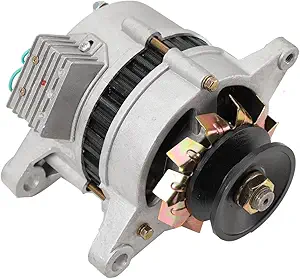
When you need more electrical power from a vehicle charging system or a compact mechanical power project, the right alternator or generator can make a major difference. However, not all high-output units are designed for the same job. Automotive high-output alternators are primarily intended to increase charging capacity in vehicles, while permanent-magnet generator units are commonly used in custom wind, hydro, battery-charging, and other off-grid projects. Understanding that difference is important before comparing output ratings or choosing a unit for your system.
The products covered in this guide fall into two practical categories. High-output automotive alternators are designed to increase a vehicle’s charging capacity for demanding electrical accessories, while permanent-magnet generator units can be used in purpose-built mechanical or renewable-energy systems. The correct choice depends on voltage, current, operating speed, mounting requirements, regulation, and how the generated power will be converted and stored.
High-Output Alternators and Generator-Style Units for 2026
| Product | Where to Check |
|---|---|
| EODSAD Permanent Magnet Alternator Generator | Check Amazon Price |
| Permanent Magnet Alternator Synchronous Generator 1200W | Check Amazon Price |
| Mechman 390-Amp High Output Alternator | Check Amazon Price |
| Mechman Alternators 400 Amp Alternator | Check Amazon Price |
Before You Compare These Products
The products below should not be treated as interchangeable. The EODSAD and LIKARVA units are presented as permanent-magnet generator products, while the Mechman units are high-output automotive alternators. An automotive alternator is normally part of a vehicle’s charging system, whereas a permanent-magnet generator can be used in a custom mechanical generation setup.
Check the manufacturer’s specifications, voltage requirements, regulator configuration, RPM range, mounting dimensions, and intended application before purchasing.
High-Output Alternators and Permanent-Magnet Generator Reviews
1. EODSAD Permanent Magnet Alternator Generator
This EODSAD unit is marketed as a 1500W permanent-magnet alternator/generator for applications where mechanical energy needs to be converted into electrical power. Potential uses include custom renewable-energy projects, battery-charging systems, and other off-grid builds, provided that the voltage, RPM range, rectification, regulation, and charging requirements match the rest of the system.
The unit uses rectification as part of the process of converting generated AC into usable DC power when the specific configuration calls for it. Rectification and voltage regulation are separate functions, so the complete charging setup should be checked to determine whether an external regulator, controller, or other power-conditioning equipment is required.
It may be suitable for custom wind, hydro, mechanical-energy, or battery-charging projects when its electrical output matches the system requirements. Before connecting it to a battery or charge controller, verify whether the listed output is AC or DC and whether additional rectification or voltage regulation is required.
Best suited for: Custom renewable-energy projects, mechanical power-generation systems, and off-grid battery-charging applications.
2. Permanent Magnet Alternator Synchronous Generator 1200W (LIKARVA)
This 1200W LIKARVA unit is marketed as a permanent-magnet synchronous generator/alternator for compact power-generation applications. Its relatively small rated output makes it more appropriate for specialized projects than for replacing a conventional whole-home generator.
The rotor and permanent-magnet design are intended to generate electrical power from mechanical rotation. Actual efficiency, operating temperature, output, and service life will depend on the generator design, mechanical input, RPM, load, cooling, and installation conditions.
Its compact format may make it useful for small mechanical-generation projects, including certain marine, RV, or cabin applications. However, the electrical output should be matched to the intended battery, controller, inverter, or load rather than assuming that a nominal voltage alone makes the unit compatible.
Best suited for: Small custom generation projects, RV or marine builds where specifications are compatible, and other compact off-grid applications.
3. Mechman 390-Amp High Output Alternator
The Mechman 390-amp high-output alternator is designed for selected GM truck and SUV applications where additional charging capacity is needed. A high-output alternator can be useful for vehicles running substantial aftermarket electrical loads, such as high-powered audio equipment, auxiliary lighting, communications equipment, or other accessories.
The additional alternator capacity can help support demanding electrical loads while maintaining the vehicle’s charging system, although actual output depends on engine speed, alternator temperature, wiring, battery condition, and the vehicle’s electrical architecture.
Fitment depends on the specific GM vehicle, engine, mounting configuration, regulator connection, and model year. Do not rely on a broad year range alone when ordering. Verify the exact vehicle application and connector configuration before purchase.
Best suited for: GM trucks and SUVs with high electrical demand, including aftermarket audio, lighting, communications, and auxiliary equipment.
4. Mechman 400 Amp Alternator
The Mechman 400-amp alternator is intended for selected vehicle applications where substantially more charging capacity is required than a factory alternator provides. Mechman currently lists multiple 400-amp configurations for different GM applications, so the exact fitment must be verified before ordering.
Some Mechman 400-amp applications use a smaller-diameter pulley and require a shorter serpentine belt to maintain proper belt tension. The exact belt requirement varies by application, so check the specific Mechman fitment information before installation.
The company’s current 400-amp GM listings describe six-phase technology and heavy-duty rectifier assemblies, with output specifications that vary according to the specific application and operating conditions.
Best suited for: Compatible GM trucks and SUVs with high electrical loads, including powerful audio systems, auxiliary lighting, work equipment, and other vehicle-mounted accessories.
Benefits of High-Output Alternators and Permanent-Magnet Generators
A. Voltage Regulation and Power Conditioning
Voltage behavior depends on the alternator or generator design, regulator, engine or turbine speed, wiring, battery, and electrical load. Automotive alternators normally use rectification to convert internally generated AC into DC for the vehicle’s charging system, while the voltage regulator controls the charging voltage.
A permanent-magnet generator used in an off-grid system may require additional rectification, regulation, or charge-control equipment. This is why the generator itself should be evaluated together with the rest of the electrical system.
B. Permanent-Magnet Designs
Permanent-magnet generators use permanent magnets to create the magnetic field needed for electrical generation. Their output characteristics depend heavily on rotor speed, generator design, winding configuration, load, and power electronics.
For variable-speed applications such as wind or hydro projects, the complete system should be evaluated rather than judging efficiency from the permanent-magnet design alone.
C. Higher Automotive Charging Capacity
A properly matched 390-amp or 400-amp alternator can provide substantially more charging capacity than a standard factory unit. This can be useful for vehicles with high electrical demand from audio equipment, auxiliary lighting, winches, communications equipment, refrigeration, or other accessories.
Actual available output varies with engine speed, temperature, wiring, battery condition, and the alternator’s operating conditions.
D. Vehicle-Specific Fitment
Automotive alternators are designed around specific mounting locations, electrical connections, pulley arrangements, and vehicle charging systems. Mechman lists different applications by vehicle and engine, so buyers should verify the exact fitment rather than assuming that an alternator will work simply because the vehicle falls within a particular model-year range.
How to Choose the Right Alternator or Generator
| Criteria | Why It Matters |
|---|---|
| Rated Output | Compare amps for automotive alternators or watts/voltage for generator units, but check the conditions under which the rating is achieved. |
| Voltage | Confirm the required system voltage and whether the unit produces AC directly or provides rectified DC output. |
| Operating RPM | Generator and alternator output can change significantly with rotational speed. |
| Regulation | Determine whether voltage regulation is built in or whether an external regulator or controller is required. |
| Compatibility | For vehicles, verify the exact year, model, engine, mounting, pulley, and electrical connector. |
| Cooling | High-current applications generate heat, so airflow and operating temperature matter. |
| Wiring and Protection | High-output systems may require appropriately sized cables, fusing, grounding, and battery capacity. |
| Intended Application | Choose a vehicle alternator for vehicle charging or a generator designed for the mechanical or renewable-energy application you are building. |
Common Applications
1. Automotive Audio, Lighting, and Auxiliary Loads
High-output automotive alternators are commonly used when a vehicle has significantly greater electrical demand than the factory charging system was designed to handle.
High-powered audio systems, auxiliary lighting, communications equipment, refrigeration, and other accessories can all increase charging requirements. A high-output alternator can provide additional charging capacity, but the complete electrical system still needs to be properly sized.
2. Off-Grid and Renewable-Energy Projects
Permanent-magnet generator units can be incorporated into custom wind, hydro, or mechanical-energy projects when their voltage, RPM range, output characteristics, and mounting requirements match the system.
They are not a direct substitute for a complete solar generator or standby generator. A charge controller, rectifier, inverter, battery bank, or other power electronics may also be required.
3. Utility and Work Vehicles
Work trucks and utility vehicles may require additional charging capacity when they operate multiple electrical accessories at the same time.
High-output alternators can help support auxiliary lighting, communications equipment, electronics, refrigeration, and other vehicle-mounted loads when the alternator, wiring, battery, and vehicle charging system are properly matched.
4. Marine and RV Electrical Systems
Alternator or generator applications in RVs and boats require particular attention to voltage, charging equipment, corrosion protection, wiring, battery chemistry, and available mounting space.
A compact generator unit may be useful in a custom installation, but compatibility should be verified before connecting it to an existing charging system.
Alternator vs. Generator: What’s the Difference?
An alternator and a generator both convert mechanical energy into electrical energy, but their designs and typical applications differ.
Automotive alternators are built primarily to maintain and recharge a vehicle’s electrical system. They generate AC internally and use rectification and voltage regulation to supply the vehicle’s DC electrical system.
Permanent-magnet generators can be designed for applications where mechanical input comes from sources such as wind, water, engines, or other rotating equipment. Depending on the design, they may produce AC that requires rectification and regulation before it can be used to charge a battery or power DC equipment.
For that reason, a high-output automotive alternator should not automatically be treated as a replacement for a portable generator, standby generator, or renewable-energy generator. The electrical architecture and intended use are different.
What Does a 390-Amp or 400-Amp Alternator Actually Mean?
A 390-amp or 400-amp rating does not mean the alternator will continuously produce that amount of current at every engine speed and temperature. Alternator output varies with rotational speed, electrical load, temperature, and the operating conditions used for the manufacturer’s rating.
Mechman’s current 400-amp GM applications, for example, specify substantial output at cruising speeds and lower output at engine idle. One current 400-amp GM truck model is listed at more than 180 amps at engine idle and more than 400 amps at cruising speed under its specified hot-rating conditions.
This distinction matters when planning a high-current vehicle electrical system. If your accessories consume large amounts of power while the engine is idling, the alternator’s idle output can be more important than its headline maximum rating.
Final Takeaway
High-output automotive alternators and permanent-magnet generator units can both play an important role in custom power systems, but they solve different problems.
A Mechman 390-amp or 400-amp alternator is primarily a vehicle charging-system upgrade for applications that require additional electrical capacity. Permanent-magnet generator units are better understood as components for purpose-built mechanical or renewable-energy systems.
Before purchasing, compare the actual voltage, current or wattage requirements, operating RPM, regulation method, mounting configuration, cooling requirements, wiring, and intended application.
Most importantly, verify the manufacturer’s current fitment and specifications rather than choosing a product solely because of its maximum output rating.