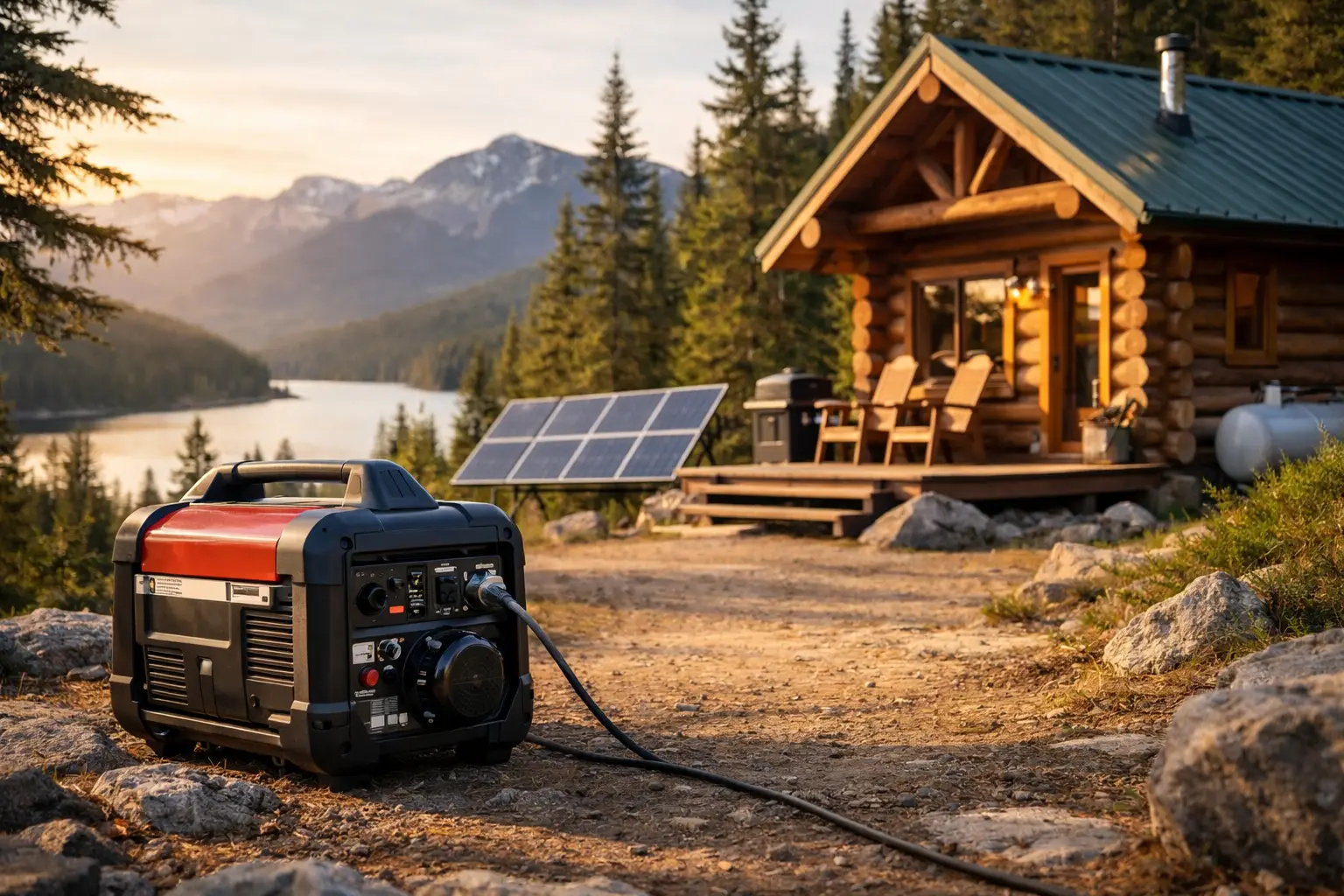
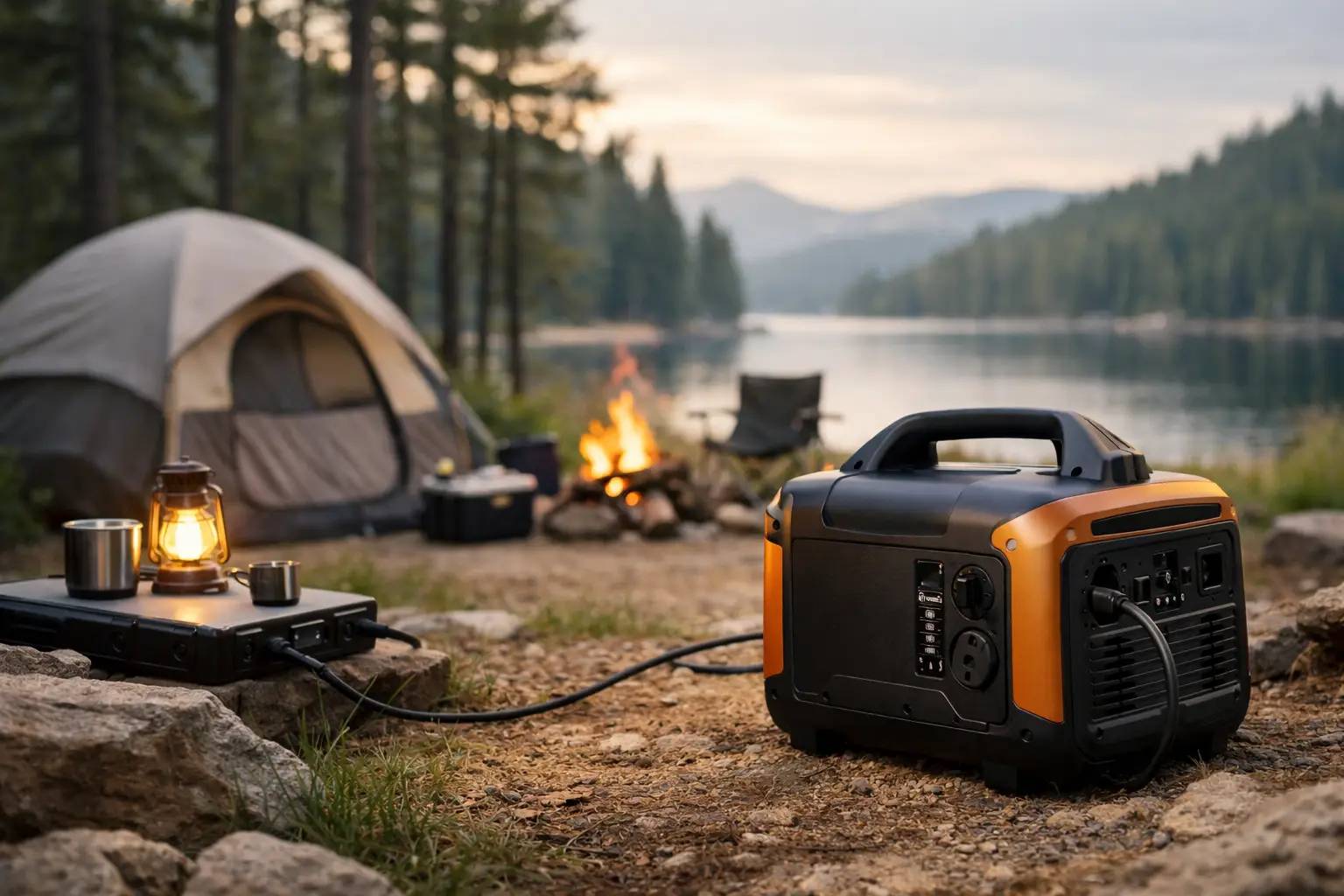
A cold morning at the cabin is when generator mistakes show up fast. The coffee maker trips the unit, the well pump struggles to start, or the fuel you stored last fall is no longer in great shape. Choosing the right generator for off grid cabin use is less about buying the biggest machine you can afford and more about matching power, fuel, runtime, and noise to the way you actually live.
For most cabin owners, a generator is not the whole power system. It is either the main source of electricity, a battery-charging workhorse, or the backup that keeps lights, refrigeration, water, and heat support running when solar falls short. That distinction matters because it changes what size and style of generator makes sense.
What kind of generator for off grid cabin setup makes sense?
If your cabin runs on a battery bank with an inverter, the generator often works best as a support tool. In that setup, the generator charges batteries during cloudy weather, high-demand periods, or winter months when solar production drops. You do not need the generator to run every appliance at once. You need it to work efficiently with your charger or inverter-charger and handle occasional direct loads when needed.
If the generator is your primary power source, the priorities shift. Runtime, fuel storage, maintenance intervals, and durability become much more important. You will also notice noise more, especially if you spend full weekends or extended stays at the property.
Portable inverter generators are often the best fit for lighter cabin use. They are quieter, more fuel-efficient under variable loads, and safer for electronics. A model in the 2,000 to 4,500 running watt range can be enough for LED lighting, device charging, a TV, router, small kitchen loads, and battery charging.
Conventional portable generators make more sense when the cabin has motor loads like a well pump, larger power tools, resistance heaters, or a bigger refrigerator and freezer combination. These units are usually louder, but they deliver more starting power for the money.
Standby generators can work for off-grid cabins, but they are not always the practical answer. They cost more, require permanent installation, and may be excessive for a seasonal or lightly used property. For a full-time off-grid home with propane storage and a transfer setup, they can be a strong long-term solution.
Start with your real power demand, not the label on the box
The fastest way to overspend is to shop by marketing category alone. The better approach is to list what you need to run and separate it into three groups: always-on essentials, occasional heavy loads, and nice-to-have loads.
Essentials usually include lights, refrigerator, internet equipment, phone charging, microwave use, and maybe a water pump. Heavy loads might include a well pump, circular saw, air compressor, or electric cooking equipment. Nice-to-have loads are the items you can live without when fuel is tight.
Starting watts matter just as much as running watts. A refrigerator may run modestly once it is going, but its startup draw is much higher. The same is true for pumps and some power tools. If your cabin has a deep well pump, that single load can push you into a larger generator class.
As a rough guide, a small weekend cabin can often get by with 2,000 to 3,500 running watts if loads are managed carefully. A more comfortable setup with refrigeration, pump support, battery charging, and room for occasional appliance use often lands in the 4,000 to 7,500 watt range. Beyond that, you are usually powering a more house-like property with multiple simultaneous loads.
Fuel choice changes ownership more than most buyers expect
Fuel type is not just a spec. It affects storage, cold-weather reliability, operating cost, and how often you need to think about the generator when you are not using it.
Gasoline generators are common, widely available, and often cheaper upfront. They are a good fit for occasional cabin trips, especially if you want broad model selection. The trade-off is fuel shelf life. Gas needs stabilizer for storage, and carbureted units can become frustrating if they sit too long between visits.
Propane is attractive for cabins because it stores much better and burns cleaner. If your cabin already uses propane for cooking, heating, or hot water, a propane-capable generator can simplify fuel planning. The downside is lower power output compared with gasoline on the same machine, plus dependence on tank size and refill logistics.
Dual-fuel generators are often the most practical middle ground. They give you gasoline flexibility and propane storage advantages. For many buyers, that backup option alone is worth it.
Diesel generators can make sense for heavy-duty use and long runtimes, but they are less common in the consumer portable segment. They are better suited to buyers who prioritize durability and have a clear fuel strategy.
Noise is not a side issue at a cabin
At home, generator noise may be an occasional nuisance. At a cabin, it can change the whole experience. If the point of the property is quiet, a loud open-frame generator can become something you tolerate rather than something you are glad to own.
This is where
inverter generators stand out. Models from brands like Honda, Yamaha, Champion, and Westinghouse have become popular partly because they keep noise levels lower under light to medium loads. If you mainly need battery charging, refrigeration, lights, and electronics, paying more for quieter operation is often justified.
If your load requirements force you into a louder conventional unit, placement helps. A well-ventilated generator shed, proper distance from sleeping areas, and thoughtful exhaust direction can make a real difference. You still need to follow safety rules and never run a generator in enclosed or attached spaces.
Runtime matters more than peak wattage
A generator that can power everything for three hours is less useful than one that can cover essentials all day. Cabin owners often focus on maximum output and miss the value of long runtime at 25 to 50 percent load.
That is especially true if you are charging batteries. A generator operating in its efficient range will usually give you better fuel economy and less wear than a bigger unit idling through small tasks. Pairing the generator correctly with your battery charger or inverter-charger can save a lot of fuel over time.
When comparing models, look beyond the fuel tank size alone. Pay attention to reported runtime at different loads, not just the best-case number on the product page. A slightly smaller but more efficient inverter unit may serve a weekend cabin better than a larger conventional machine that burns through fuel quickly.
Features that actually matter for cabin use
Some generator features sound impressive but do little in real-world ownership. Others are worth paying for.
Electric start is one of the useful ones, especially in cold weather or for older users who do not want to fight a recoil starter. Remote start can also be handy if the unit is stored in a separate weather-protected spot.
A fuel gauge is simple but genuinely helpful. Low-oil shutdown is close to essential for engine protection. CO shutoff technology adds an extra layer of safety, though it never replaces proper outdoor placement.
If you plan to integrate with a cabin electrical system, outlet selection matters. A generator with only basic 120V household receptacles may be limiting. A 120/240V outlet can be important for transfer switch setups or certain well pumps and equipment.
Parallel capability is another useful option for lighter users. Two smaller inverter generators can be easier to move, quieter in normal use, and expandable when higher demand shows up.
Common sizing mistakes cabin buyers make
One mistake is buying too small and assuming careful load management will solve everything. That can work for very simple cabins, but if your system includes a pump, battery charger, or kitchen appliances, being right on the edge gets old quickly.
Another mistake is buying too large for a battery-support role. An oversized generator used only to charge batteries may run inefficiently, produce more noise, and cost more upfront without giving meaningful benefit.
A third mistake is ignoring winter conditions. Cold starts, thicker oil, battery weakness on electric-start units, and increased heating-related loads can all change what works well in July versus January.
A practical way to choose
If you use the cabin occasionally and want quiet power for lights, electronics, refrigeration, and moderate appliance use, start with a quality inverter generator in the 2,000 to 4,500 watt class. If you need more flexibility, a dual-fuel inverter model is often an excellent fit.
If you have a well pump, larger tools, battery charging demands, or multiple people using the cabin at once, look at 4,000 to 7,500 running watts and compare inverter versus conventional designs based on your noise tolerance and budget.
If the cabin is full-time, more like a house, and tied to a larger propane or diesel plan, a permanently installed system may be worth the higher upfront cost.
TopGeneratorsOnline covers a lot of models in these categories, but the best choice always comes back to your load profile, your fuel plan, and how often you want to hear the machine running.
A good cabin generator should feel boring in the best way. It starts when you need it, carries the loads you planned for, and fits your setup without constant workarounds. That is the kind of reliability worth paying for.