As an Amazon Associate I earn from qualifying purchases.
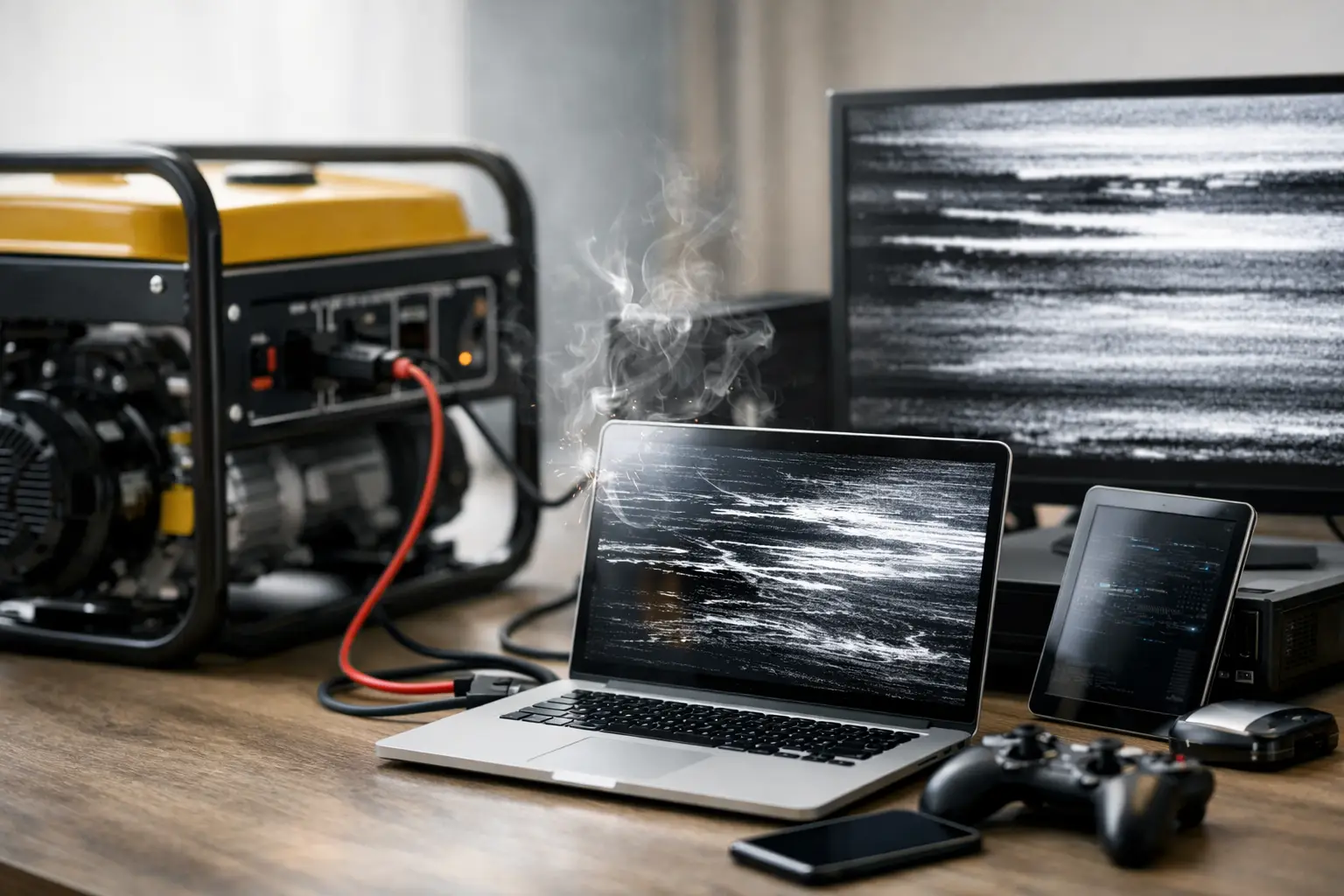
You notice the lights are on, the fridge is humming, and then the real question hits: can generators damage electronics? The honest answer is yes, they can – but not all generators do, and not all electronics are equally vulnerable. The risk comes down to power quality, startup behavior, wiring setup, and whether the generator is matched to the job.
If you are planning to run a TV, laptop charger, modem, CPAP machine, game console, or newer kitchen appliances during an outage, this matters more than the raw wattage number on the box. A generator can have enough power capacity and still deliver electricity that sensitive devices do not like.
Can generators damage electronics or is that a myth?
It is not a myth, but it is also not a reason to avoid generators altogether. Most damage concerns come from unstable voltage, poor frequency control, power surges when loads switch on and off, or improper connection methods. Older conventional generators and lower-end portable models are more likely to produce “dirtier” power, especially when they are heavily loaded or poorly maintained.
Sensitive electronics are built around circuit boards, microprocessors, and switching power supplies. Those components generally prefer clean, stable power close to standard household current. When a generator drifts too far from normal voltage or frequency, some electronics may shut down, act erratically, run hotter than they should, or in worst cases suffer permanent damage.
That said, many people safely power electronics every year with the right generator and setup. A quality inverter generator, a properly sized standby unit, or a well-regulated portable model can run modern devices without trouble.
What actually causes the damage?
The biggest issue is poor power quality. Household utility power is typically very consistent. Portable generators, especially basic open-frame units, can fluctuate more as engine speed changes with load. When the generator speeds up or slows down, the output can shift with it.
Voltage spikes are one concern. If voltage rises too high, delicate components can be stressed. Voltage drop is another. Electronics may not like low voltage either, because they can draw more current trying to compensate, which creates heat and instability.
Frequency matters too. In the US, your appliances and electronics are designed around 60 Hz power. A generator with weak engine governor control can drift away from that target. Motors may run poorly, timers can misbehave, and electronics with sensitive internal power supplies may not respond well.
Then there is total harmonic distortion, often shortened to THD. This is a measure of how smooth and clean the electrical waveform is. Lower THD is better for sensitive electronics.
Inverter generators are popular largely because they produce much cleaner power than many conventional portables.
Sudden load changes can also create trouble. Think of a refrigerator compressor kicking on while your TV and Wi-Fi router are already running. That startup demand can briefly pull voltage down or create instability if the generator is already near its limit.
Which electronics are most at risk?
Not every device has the same tolerance. Simple resistive loads like incandescent lights or basic space heaters are usually less sensitive. Devices with control boards, digital displays, batteries, or precision electronics are more vulnerable.
Items that deserve extra caution include computers, laptops, gaming systems, TVs, internet equipment, battery chargers for power tools, smart home hubs, CPAP machines, pellet stoves, and newer refrigerators or washers with electronic control panels. Medical devices and expensive home office gear should always be treated as sensitive loads.
Phone chargers and laptop adapters often have some internal protection, so they are not the most fragile devices in your home. Still, that does not mean any generator is automatically safe for them. Cheap power in can still shorten component life over time.
Inverter generators vs conventional generators
If your main concern is protecting electronics, inverter generators are usually the safer pick. They generate power in a different way, then electronically regulate it into a cleaner, more stable output. Many quality inverter models advertise low THD, often under 3 percent, which is a good range for sensitive electronics.
Conventional generators can still be useful and reliable, especially for larger loads, jobsite use, or whole-home backup when paired with strong voltage regulation. But their output quality varies more by model and operating conditions. Some premium conventional units perform well. Some budget units do not.
For homeowners who mainly want to keep a fridge, modem, lights, phone chargers, and a few electronics running, an inverter generator often makes more sense than a cheaper high-watt open-frame model. It may cost more upfront, but the cleaner power, quieter operation, and fuel efficiency are real advantages.
For larger homes, an automatic standby generator from a reputable brand can also be electronics-safe if it has proper voltage regulation and is installed correctly. The key is not just size. It is quality of output.
Can a generator damage electronics if it is overloaded?
Yes, overload is one of the easiest ways to create bad conditions. When a generator is pushed too close to its maximum output, voltage regulation often gets worse. Engine speed may hunt up and down, especially when motors cycle on. That instability is exactly what sensitive devices do not need.
This is why sizing matters. You should not shop by running watts alone and assume everything will be fine. You need enough headroom for startup surges, especially if you plan to run a refrigerator, freezer, sump pump, microwave, or window AC alongside electronics.
A generator working at a comfortable portion of its capacity usually delivers steadier power than one constantly fighting peak demand.
How to protect your electronics
The first step is choosing the right generator for the kind of loads you plan to run. If electronics are part of the plan, prioritize low THD, inverter technology, or strong voltage regulation over raw wattage marketing.
The second step is using a proper connection method. A
transfer switch or interlock setup helps isolate loads safely and avoids dangerous backfeeding. For smaller portable use, plugging devices directly into the generator with quality cords can be fine, but the generator still needs to be grounded and operated according to the manufacturer instructions.
Surge protection adds another layer. It will not fix dirty power, but it can help against spikes. An uninterruptible power supply, especially for computers, routers, and office equipment, can also smooth brief interruptions and give extra protection. Just be aware that some UPS units are picky about generator power and work better with inverter generators.
Maintenance is part of the protection plan too. A neglected generator with old fuel, a dirty air filter, or engine problems is more likely to produce unstable output. Clean fuel, regular oil changes, and periodic test runs are not just about reliability – they help power quality as well.
What product features should buyers look for?
When comparing models, look beyond wattage. Check whether the manufacturer specifically says the unit is safe for electronics or lists a low THD figure. Inverter generators from well-known brands usually make this easy to verify.
Automatic voltage regulation is another useful feature on conventional generators. It does not make them identical to inverter models, but it can improve consistency. Electric start, fuel shutoff, CO shutdown, and parallel capability may also matter depending on your setup, though those are convenience and safety features rather than direct electronics protection.
If you need to run a home office during outages, a mid-size inverter generator is often the sweet spot. If you need broader home backup, a standby generator or a larger inverter-capable system may be a better fit. TopGeneratorsOnline often emphasizes matching the unit to the load profile, and this topic is a good example of why that approach matters.
When is generator power generally safe for electronics?
Generator power is generally safe when the generator produces clean, stable output, the total load stays well within capacity, and the connection setup is correct. In real-world terms, that usually means a quality inverter generator for portable use or a properly installed standby system for home backup.
Problems are more likely when someone uses an undersized bargain generator, runs it near overload, chains on questionable extension cords, and expects it to behave like utility power. Sometimes the generator gets blamed when the real issue is poor setup.
If you are unsure, take the cautious route. Put your sensitive electronics on the cleanest power source available, avoid maxing out the generator, and give extra care to anything expensive, essential, or medically necessary.
A generator should give you peace of mind during an outage, not a new repair bill. If electronics are part of your backup plan, buy for power quality first and wattage second.
CHECK OUT THE BEST GENERATORS AT THE BEST PRICE ON AMAZON 🛒