As an Amazon Associate I earn from qualifying purchases.
A portable generator can keep your refrigerator cold, your lights on, and essential equipment running during a power outage. But connecting a generator to your home’s electrical system requires the right equipment and a safe installation. This generator transfer switch guide explains how transfer switches work, how to choose the right setup, and what homeowners should know before connecting a backup generator to their electrical panel.
A properly installed transfer switch or approved panel interlock allows you to power selected household circuits without sending electricity back into utility lines. That protection matters just as much as convenience. Improper connections can create serious electrical hazards, damage equipment, and endanger utility workers.
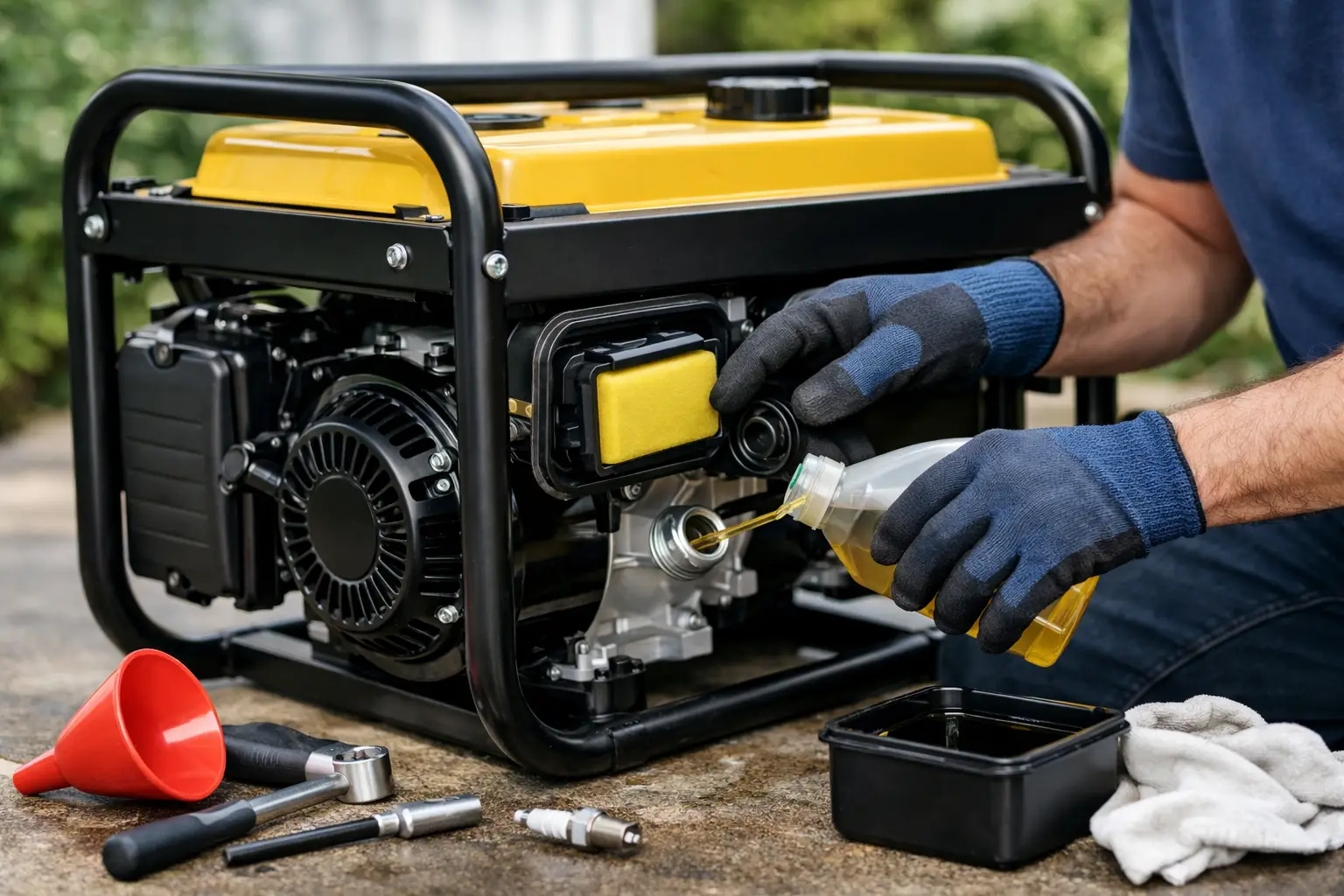
Whether you own a portable inverter generator, a conventional portable generator, or a permanently installed standby unit, choosing compatible equipment is the first step toward reliable backup power.
What a Manual Transfer Switch Actually Does
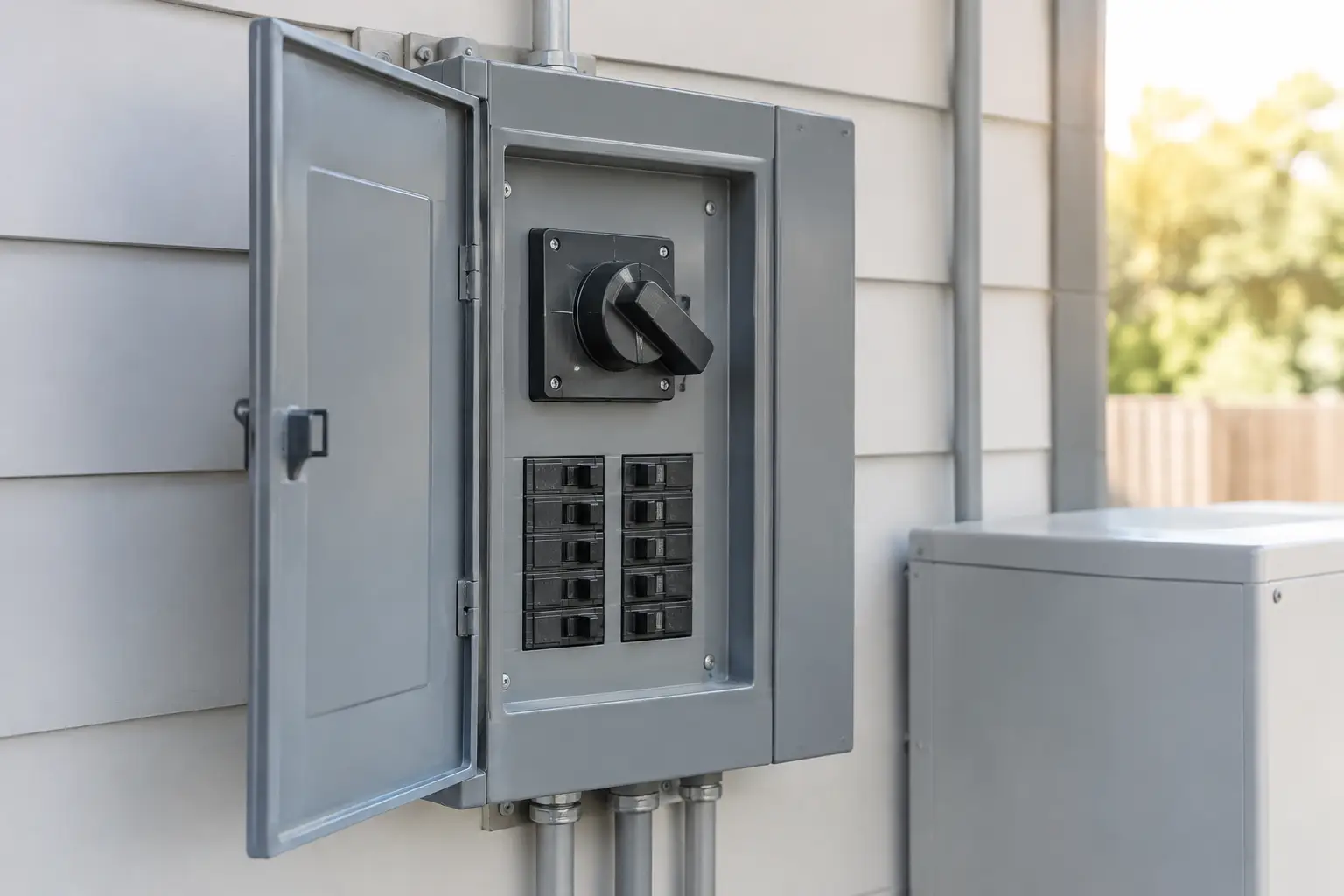
A transfer switch prevents generator power from backfeeding into the utility lines. Backfeeding is dangerous to line workers, can damage equipment, and is not a safe substitute for a properly installed backup-power connection. With a correctly installed manual switch, the utility and generator sources cannot feed your selected circuits at the same time.
During an outage, you start the generator outdoors, connect a generator cord from the generator outlet to the house inlet box, then move the selected circuits from line power to generator power at the transfer switch. When utility service returns, you reverse the process.
The process is hands-on, which is the trade-off. You must be home, able to start the generator, and comfortable managing loads. In return, manual systems cost considerably less than automatic transfer equipment and work well with many inverter and conventional portable generators.
Manual Transfer Switch Review: The Buying Criteria That Matter
The best unit is not simply the one with the highest amp rating or the most circuit positions. It is the one that matches your electrical plan.
Start with the circuits, not the generator
List what you want to operate during an outage. A refrigerator, furnace blower, sump pump, garage-door opener, a few lighting circuits, internet equipment, and kitchen receptacles are common choices. Well pumps are another priority in rural homes, but they require special attention because their startup demand can be much higher than their running wattage.
A six-circuit transfer switch can be enough for a modest outage plan. An eight- or ten-circuit model gives a typical household more flexibility, particularly when separate rooms are on different branch circuits. Larger systems make sense when you need to cover several essential loads, but extra circuits do not create more generator capacity. They simply give you more circuits you can choose to energize.
Before buying, label the circuits in your main panel and verify their breaker sizes. This step often reveals that the circuit you assumed covered the refrigerator also supplies the dining room, or that the basement lighting shares a circuit with a freezer. A clear circuit map makes product comparisons far more meaningful.
Choose 30 amps or 50 amps based on usable power
A 30-amp, 120/240-volt setup can provide up to 7,200 watts of running capacity in ideal terms. It is a common match for portable generators in the roughly 4,000- to 7,500-watt class. For essentials-only backup, it is often the sensible and more economical choice.
A 50-amp, 120/240-volt setup supports up to 12,000 watts in ideal terms and is better suited to larger portable generators. It also provides more room for heavier loads such as a well pump, electric water heater circuit where appropriate, or multiple kitchen and HVAC loads. However, a 50-amp inlet and transfer switch will not make a 30-amp generator produce more power. The generator outlet, cord, inlet box, switch, and load plan must all align with the lowest-rated component.
For example, pairing a 50-amp generator outlet with a 30-amp power inlet box and 30-amp cord limits the system to 30 amps. That may still be a perfectly good setup, but it should be intentional.
Confirm 120/240-volt compatibility
Many home transfer switches are designed for split-phase 120/240-volt service. They can power both 120-volt branch circuits and properly selected 240-volt loads, such as certain well pumps. A 120-volt-only inverter generator can run 120-volt household circuits through a compatible setup, but it cannot power a 240-volt load.
This is one of the most common planning mistakes. A buyer sees enough total generator watts on paper, then learns the generator does not have the voltage configuration required for the pump or equipment they planned to run. Check the generator receptacle panel and the transfer switch specifications before treating wattage as the deciding number.
Look at load management features
Some manual transfer switches include wattmeters or wattmeter-style load indicators. These are useful because generator overloads are most likely when a refrigerator compressor, sump pump, furnace blower, or well pump starts unexpectedly. Seeing your approximate load helps you decide whether to delay another appliance.
Circuit labeling also matters more than it seems. Clear, durable labels reduce mistakes when the lights are out and everyone is tired. Models with a simple, well-spaced switch layout are easier to operate than a crowded panel with vague markings.
Product Types Worth Comparing
Reliance Controls manual transfer panels are widely used in portable-generator installations and are often available in six-, eight-, and ten-circuit configurations. Their appeal is straightforward operation and broad availability of matching inlet boxes and cords. A model with an included power inlet can simplify planning, although buyers should still verify the inlet configuration and cord type.
Generac manual transfer switches are another familiar option, especially for homeowners who want a package designed around generator backup rather than a collection of separate parts. Depending on the model, the value may be in the included wattmeters, prewired components, or a larger circuit count. Do not choose one solely because your generator carries the same brand name. Electrical compatibility matters more than matching logos.
Interlock kits deserve mention because they can be a lower-cost alternative to a separate transfer switch. An approved, panel-specific interlock mechanically prevents the main breaker and generator backfeed breaker from being on at the same time. It can provide whole-panel flexibility, but it requires careful load management and must be listed for the exact panel model. It is not a universal plate, and it is not the right choice for every homeowner.
The Rest of the System Must Match
A transfer switch is only one part of the backup-power path. The inlet box should be weather-rated for its location and have the correct amperage, voltage, and connector type. A 30-amp twist-lock inlet is common, while 50-amp systems commonly use a four-prong 120/240-volt configuration. The generator cord must match both ends and be rated for outdoor generator use.
Avoid relying on improvised adapter chains. Adapters can be appropriate when they are properly rated and solve a specific compatibility issue, but every added connection is another possible heat point, weather entry point, or source of confusion in an emergency. A purpose-built cord of the correct length is usually the cleaner choice.
Generator neutral bonding also deserves attention. Many portable generators have a floating neutral, while some have a bonded neutral. The transfer switch instructions will specify the required arrangement. This is not a detail to guess at or solve with an arbitrary bonding plug. Follow the generator and transfer-switch documentation, and have a qualified electrician confirm the installation.
Installation Is Not a Casual DIY Project
Mounting an inlet box and transfer switch involves service-panel work, branch-circuit wiring, grounding and bonding requirements, and local electrical code. In many parts of the United States, permits and inspection may apply. A licensed electrician can confirm conductor sizing, breaker requirements, neutral handling, and whether the selected equipment is listed for your setup.
You can still do useful preparation before the electrician arrives. Build your circuit list, measure the route from the proposed inlet box to the panel, identify the generator outlet, and decide where the generator will run. It must operate outdoors, far from doors, windows, and vents, with carbon monoxide alarms working inside the home. Never run a generator in a garage, even with the door open.
A Better Way to Make the Final Choice
For a basic outage plan, a 30-amp manual transfer switch with six to ten well-chosen circuits is often the best value. It suits homeowners who want refrigeration, lighting, communications, a furnace blower, and perhaps a sump pump without trying to run the house as usual.
Step up to a 50-amp system when your generator and loads justify it, particularly if a 240-volt well pump or larger set of essential circuits is part of the plan. If your priorities change frequently or you need access to many circuits, ask an electrician whether a listed panel interlock is a better fit than a circuit-limited transfer switch.
The smartest purchase is the one built around a tested outage routine. Once your system is installed, practice starting the generator, connecting the cord, transferring circuits, and managing the loads before the next storm puts that plan to work.
Which Manual Transfer Switch Should You Choose?
The right choice depends on the loads you need to power and the generator you already own or intend to buy.
For basic home backup: A compatible 30-amp switch with six to ten circuit positions may be sufficient for selected essentials such as refrigeration, lighting, communications, and a furnace blower. The actual number of circuits should be based on your panel layout and backup plan.
For a larger portable generator: Consider a 50-amp system when the generator has the appropriate output and your planned loads justify the additional capacity. Confirm that the inlet, cord, switch, and electrical installation all support the intended configuration.
For a home with a well pump: Verify the pump’s voltage, running demand, and startup requirements. A generator’s advertised wattage alone does not establish that it can start and operate the pump alongside other essential loads.
For greater circuit flexibility: Compare a dedicated transfer switch with an approved, panel-specific interlock kit. Ask an electrician to explain the installation requirements, operating procedure, and load-management implications of each option.
For automatic backup: A manual transfer switch is not a substitute for the appropriate automatic transfer equipment used with a compatible standby generator. If you need power to transfer without someone operating a switch, evaluate an automatic system designed for that application.
Final Verdict
A manual transfer switch is worth considering if you want to connect a portable generator to selected household circuits through a properly installed system. The most important decision is not which brand has the most recognizable name. It is whether the equipment matches your generator, electrical panel, and actual backup-power needs.
For a modest outage plan, a 30-amp configuration may provide a sensible balance of capacity and cost. Larger loads may justify a 50-amp arrangement, while a panel interlock may be worth considering when broader circuit access is a priority.
Before making a purchase, confirm the voltage, amperage, circuit capacity, included accessories, neutral requirements, and local installation rules. Have the system installed and checked by a qualified electrician, and practice the operating procedure before an outage occurs.
The best manual transfer switch is one that fits your home, works with your generator, and lets you restore essential power safely without guesswork.