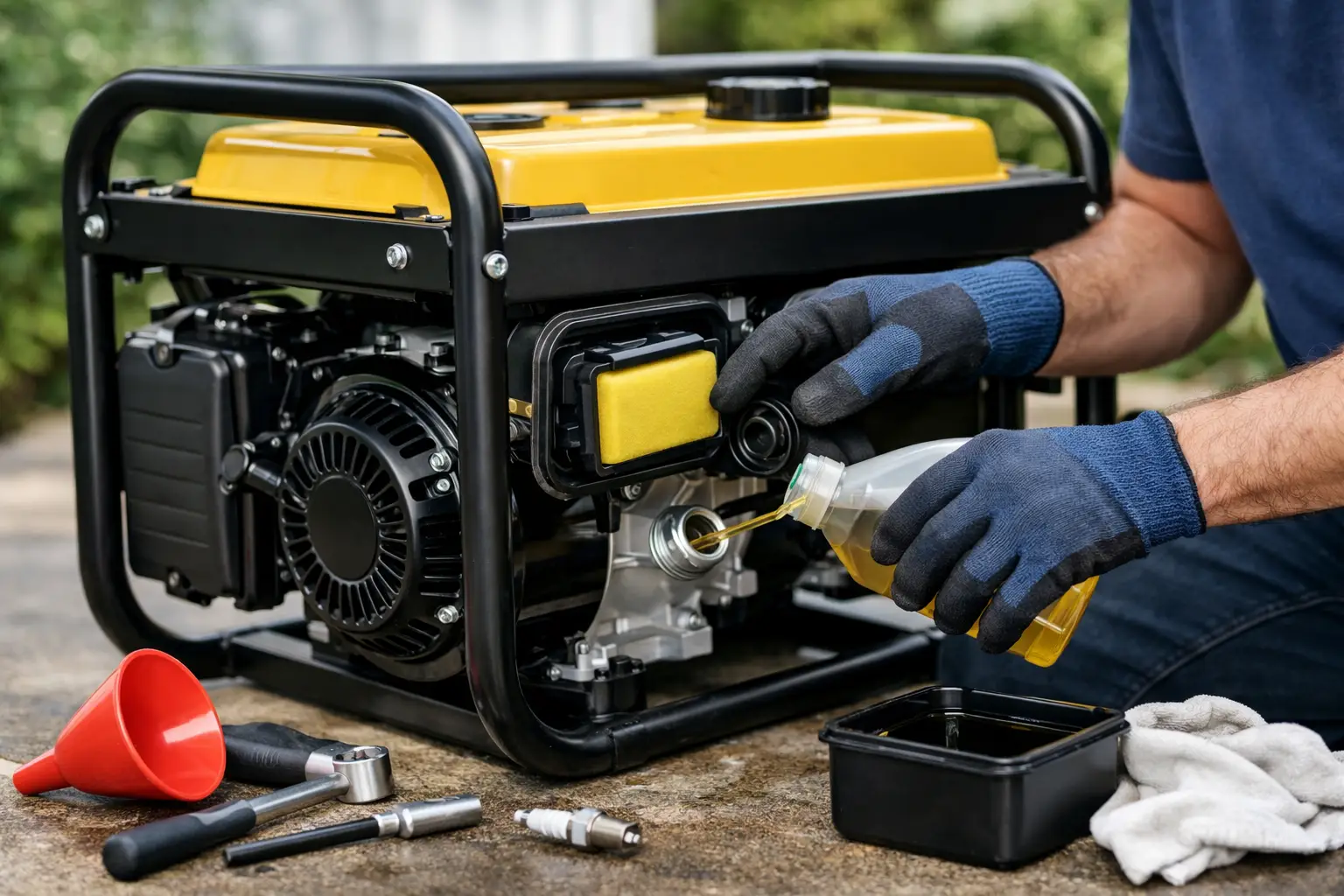
A portable generator that starts on the first pull after months in storage usually is not a lucky generator. It is a maintained one. If you are wondering how to maintain portable generator equipment so it is ready for outages, camping trips, RV weekends, or jobsite use, the goal is simple: keep fuel fresh, keep internal parts lubricated, and catch small issues before they become no-start problems.
That matters more than many buyers realize. A generator can look perfectly fine on the outside and still have stale gas in the carburetor, low oil, a weak battery, or a clogged air filter. The good news is that regular maintenance is not complicated. Most owners can handle it with basic tools, a few supplies, and a schedule they actually follow.
How to maintain portable generator without overcomplicating it
The easiest way to think about generator maintenance is to divide it into three buckets: before each use, after use, and long-term storage. That approach works whether you own a small inverter generator for camping or a larger open-frame unit for home backup and jobsite power.
Before each use, check the oil level, inspect for fuel leaks, confirm the air intake is clear, and look over the cords, outlets, and frame. If your generator has electric start, check that the battery is charged and the terminals are clean. On a dual-fuel model, inspect both the gasoline side and the propane connection points.
After use, let the generator cool down before storing it. Wipe off dirt, grass, and dust, especially around the recoil starter, vents, and control panel. If the unit ran in a dusty environment, that is a good time to check the air filter rather than waiting for the next job.
Storage maintenance depends on how long the generator will sit. A machine stored for two weeks is different from one parked for six months waiting for storm season.
Start with the owner’s manual and service intervals
Different engines have different service schedules. Some portable generators need the first oil change after just a handful of hours, while others allow a longer break-in period. Valve clearance checks, spark plug intervals, and air filter service can also vary by brand and engine size.
That is why the manual matters. A Honda inverter generator, a Champion dual-fuel unit, and a Westinghouse home backup-ready model can all have slightly different maintenance requirements even if they seem similar in daily use. If you bought based on wattage and features alone, now is the time to check the maintenance section and build your routine around it.
For most owners, it helps to log service hours. Many portable generators include an hour meter, but if yours does not, a note on your phone or a simple tag on the handle works fine. Maintenance based on actual runtime is more reliable than guessing from the calendar.
Oil changes are the biggest factor in engine life
If there is one habit that gives you the best return, it is changing the oil on schedule. Portable generators often run under heavy load and in hot conditions. Oil breaks down, gets contaminated, and loses its ability to protect the engine.
Check the level before each use, especially during extended operation. Some generators consume a little oil as they run, and low oil shutdown systems are helpful, but they are not a substitute for monitoring. You do not want a generator to shut off in the middle of a storm because the crankcase ran low.
Use the
oil type recommended by the manufacturer. In many cases, that means SAE 10W-30 for general use, but temperature range matters. If you operate in extreme heat or cold, the manual may suggest a different viscosity. Also, avoid overfilling. Too much oil can cause its own running problems.
Fuel system care prevents most starting problems
Gasoline is where many maintenance issues begin. Modern fuel can degrade surprisingly fast, and ethanol blends tend to attract moisture. That combination can gum up the carburetor, make starting difficult, and lead to expensive cleaning or replacement.
If you use your generator regularly, keep fresh fuel in an approved gas can and rotate it. If the generator will sit for more than a month or so, use a
fuel stabilizer. Run the engine long enough after adding stabilizer so the treated fuel reaches the carburetor.
For seasonal storage, there are two common approaches. One is to store the unit with stabilized fuel in the tank. The other is to drain the tank and run the carburetor dry. Which is better depends on the model, storage conditions, and manufacturer guidance. In general, draining is cleaner for very long storage, while stabilized fuel can be more convenient for units that need to stay ready. What you do not want is untreated fuel sitting in the system for months.
If you have a dual-fuel portable generator, propane can simplify storage because it does not varnish the fuel system the way gasoline can. That does not eliminate maintenance, but it can reduce one of the most common headaches for occasional users.
Air filters and spark plugs are small parts with a big effect
A dirty air filter restricts airflow, hurts efficiency, and can make the engine run poorly. In dusty conditions, this can happen fast. Foam filters usually need cleaning and re-oiling if the manufacturer calls for it. Paper filters typically need replacement rather than washing.
Spark plugs are just as easy to overlook. A worn, fouled, or incorrectly gapped plug can cause hard starting, rough operation, and poor fuel burn. Checking the plug at regular intervals gives you a quick read on engine condition too. Heavy carbon buildup, oil fouling, or damaged electrodes can point to broader issues.
These are inexpensive service items, which is why it often makes sense to keep spares on hand. A basic maintenance kit with oil, a spark plug, an air filter, a funnel, and fuel stabilizer is a smart add-on for any new generator owner.
Battery maintenance matters on electric-start models
Many homeowners buy electric-start generators for convenience, then forget that the starter battery needs attention. If the battery sits discharged for long stretches, it may fail long before the engine has much wear on it.
Check the battery charge periodically, especially before storm season or winter storage. Some models support a trickle charger or battery maintainer, which is a worthwhile accessory if the generator is stored in a garage or shed for months at a time. Clean any corrosion from terminals and make sure connections stay snug.
If your generator includes both recoil and electric start, test both methods once in a while. The backup pull start is easy to ignore until the battery dies at the wrong time.
Exercise the generator even when you do not need it
One of the best answers to how to maintain portable generator performance is to run it on purpose. Letting a generator sit for months without operation is hard on fuel systems, batteries, seals, and carburetor passages.
A monthly exercise run is a good target for many owners. Start the unit outdoors in a safe, ventilated area and let it run long enough to reach operating temperature. Ideally, connect a moderate load for part of that time. Running with some load helps the generator work under realistic conditions rather than just idling briefly.
This is also your chance to listen for hunting, surging, unusual vibration, or trouble with voltage output. Catching those signs early is far better than discovering them during an outage.
Keep the generator clean, dry, and properly stored
Storage conditions affect longevity more than many people expect. Moisture encourages rust, dust clogs cooling passages, and poor placement invites rodent damage to wiring and insulation.
Store the generator in a dry area with good protection from humidity and debris. Use a fitted generator cover only when the unit is cool and turned off. Never cover a hot generator. If you store it in a shed, inspect occasionally for nests or chewed wiring.
Pay attention to the wheels, handles, and frame hardware too. Portable units get moved, bumped, and rolled across rough ground. Loose fasteners and cracked mounts can turn into bigger problems if ignored.
Safety checks are part of maintenance too
Maintenance is not just about engine life. It is also about safe operation. Inspect the exhaust system for damage, check that the spark arrestor is clean if your model has one, and confirm that outlets, breakers, and cords are in good shape.
If you use the generator for home backup, test transfer equipment and make sure your extension cords or power inlet setup still match the generator’s output. This is especially important if you have changed appliances, added RV gear, or upgraded accessories since the last season.
For many owners, the smartest maintenance choice is not a repair part but a few support items: a fuel stabilizer, a battery maintainer, a magnetic dipstick if compatible, a
weather-resistant cover, and heavy-duty cords rated for the generator’s output.
Portable generators reward consistency more than perfection. Check the oil, manage the fuel, run the unit regularly, and replace the small wear items before they become big problems. When the power goes out or the trip finally starts, that routine is what turns a stored machine into reliable power.
CHECK OUT THE BEST FUEL STABILIZERS AT THE BEST PRICE ON AMAZON 🛒