As an Amazon Associate I earn from qualifying purchases.

A dual fuel generator gives you an important advantage during a power outage: you can run the generator on either gasoline or propane. That flexibility can make a big difference when gasoline is difficult to find, while propane is already stored and ready to use.
For 2026, the best dual fuel generators cover a wide range of needs. Some are designed for home backup and high-wattage appliances, while others are better suited to RV camping, tailgating, job sites, and portable electronics. Inverter models are especially useful when quiet operation and stable power for sensitive electronics are priorities.
The right generator isn’t necessarily the one with the highest wattage. You also need to consider running watts, starting watts, fuel consumption, noise, weight, outlets, runtime, CO protection, and whether the generator can be connected safely to selected home circuits.
Below are five dual fuel generators from the original lineup, followed by a practical guide to choosing the right size and fuel option.
Best Dual Fuel Generators on Amazon US in 2026
| Generator Model | Best For | Type | Amazon |
|---|---|---|---|
| Westinghouse 12500W Dual Fuel | High-output home backup | Conventional | Amazon Link |
| WEN 6800W Dual Fuel Inverter | Home backup and electronics | Inverter | Amazon Link |
| Westinghouse 4000W Super Quiet | Quiet portable power | Inverter | Amazon Link |
| Champion 4000W Dual Fuel Inverter | RVs and job sites | Inverter | Amazon Link |
| WEN 3600W Quiet Dual Fuel Inverter | Camping and smaller backup needs | Inverter | Amazon Link |
Note: Generator specifications can vary by exact model number and configuration. Always verify the current manufacturer’s specifications and outlet configuration before purchasing.
1. Westinghouse 12500W Dual Fuel Generator
Check Amazon Price Click Here!
If your priority is high-output portable backup power, the Westinghouse 12500W Dual Fuel Generator belongs in a different category from the smaller inverter models below.
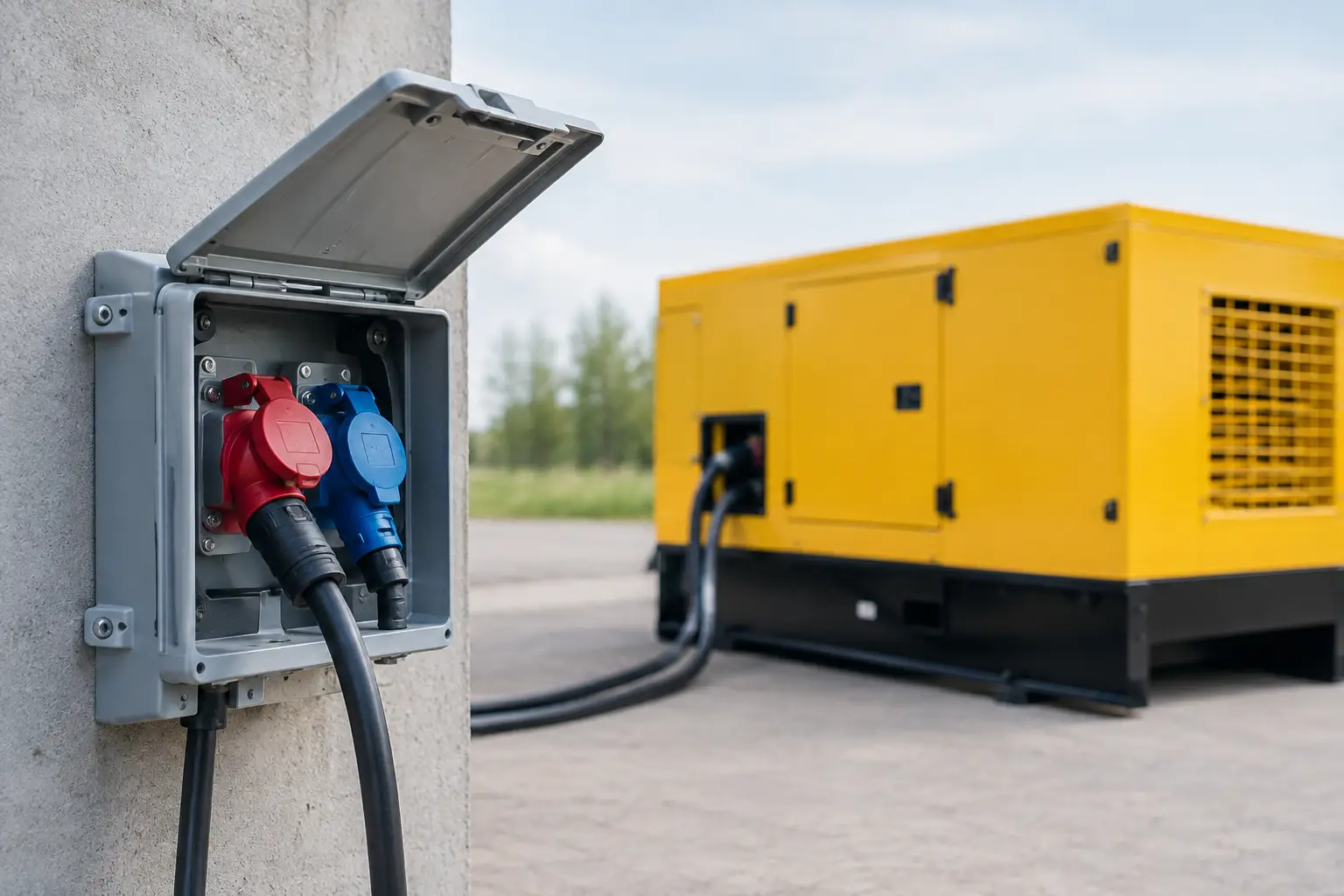
A generator in this power class is designed for demanding loads such as refrigerators, freezers, sump pumps, furnaces, power tools, and other larger appliances. Depending on the electrical configuration of your home and the loads you intend to operate, it can also be used with a properly installed transfer switch or other approved connection method.
Key Specifications
- Starting power: Up to 12,500 watts
- Running power: Approximately 9,500 watts on gasoline
- Fuel: Gasoline and propane
- Type: Conventional portable generator
- Electric start: Yes
- 120/240V capability: Designed for higher-power applications
- Weight: Approximately 200+ pounds, depending on configuration
Why Consider It?
The biggest advantage here is output. A high-wattage dual fuel generator gives you more headroom for appliances with large startup demands.
That matters because motors and compressors can require considerably more power when they start than they use once running.
For example, a refrigerator, sump pump, well pump, or air-conditioning system may have a relatively modest running load but a significantly higher starting requirement.
Best For
This type of generator makes the most sense for:
- Home emergency backup
- Larger appliances
- Sump pumps and well pumps
- Refrigerators and freezers
- Selected HVAC loads
- Job sites requiring substantial power
- Users who need gasoline and propane flexibility
What to Keep in Mind
A high-output generator is not automatically a whole-house generator.
Before connecting any portable generator to home wiring, determine which circuits you actually need to operate and use a properly installed transfer switch or other code-compliant equipment. Never attempt to backfeed a house through a standard wall outlet.
2. WEN 6800W Dual Fuel Inverter Generator
Check Amazon Price Click Here!
The WEN 6800W Dual Fuel Inverter Generator targets buyers who want considerably more power than a compact camping generator while still getting the advantages associated with inverter technology.
An inverter generator can adjust engine speed according to electrical demand instead of simply operating at one constant speed. That can reduce fuel consumption and noise during lighter loads while producing cleaner electrical power for compatible electronics.
Key Features
- Dual-fuel operation: Gasoline or propane
- Inverter technology: Yes
- Electric start: Convenient for frequent use
- Parallel capability: Depending on the exact configuration
- Multiple outlets: Suitable for a range of portable power applications
- Higher output: More capacity than typical 2,000–4,500-watt portable models
Why Choose an Inverter Generator?
One of the biggest reasons to consider an inverter model is the quality and stability of the electrical output.
This is particularly useful when you’re powering:
- Laptops
- Televisions
- Routers
- Chargers
- Gaming equipment
- Modern appliances
- Other sensitive electronics
However, you should still check the manufacturer’s specifications for the exact model, including its Total Harmonic Distortion (THD) rating and available outlets.
Best For
The WEN 6800W class is particularly useful for buyers who want a generator that sits between a small portable unit and a large conventional home-backup generator.
It can make sense for:
- Home emergency backup
- RV use
- Job sites
- Electronics
- Outdoor events
- Users who prefer inverter technology
3. Westinghouse 4000W Super Quiet Dual Fuel Inverter Generator
Check Amazon Price Click Here!
If noise is one of your biggest concerns, a quiet dual fuel inverter generator can be a much better fit than a large open-frame generator.
The Westinghouse 4000W-class Super Quiet Dual Fuel Inverter is aimed at buyers who want portable power without the noise associated with many conventional generators.
Key Features
- Dual fuel: Gasoline and propane
- Inverter technology: Yes
- Quiet operation: Designed for lower noise
- Portable design: Easier to move than large home-backup generators
- Parallel capability: Check the exact model configuration
- RV-friendly applications: Depending on the outlet configuration
Why Noise Matters
Generator noise becomes particularly noticeable when you’re camping, staying in an RV, or using the generator near neighbors.
A generator advertised at a particular dB level should not be compared with another model unless the measurement conditions are similar. Load, distance, operating mode, and testing methodology can all affect the result.
That’s why it’s better to treat published noise figures as a useful reference rather than assuming that a 52 dB generator will always sound exactly like another generator rated at 52 dB.
Best For
This type of generator is a strong match for:
- RV camping
- Tailgating
- Camping
- Outdoor events
- Backup power for smaller loads
- Electronics
- Buyers who prioritize quiet operation
4. Champion 4000W Dual Fuel Inverter Generator
Check Amazon Price Click Here!
The Champion 4000W Dual Fuel Inverter Generator combines portable power with the flexibility of gasoline and propane.
For buyers who don’t need the enormous output of a 9,000- or 12,000-watt generator, a mid-size inverter can be easier to transport and more practical for recreational use.
Key Features
- Dual fuel: Gasoline and propane
- Inverter technology: Yes
- Electric start: Depending on the exact model
- Economy operation: Designed to reduce fuel consumption under lighter loads
- Parallel capability: Available on compatible models
- Portable design: Suitable for recreational and work applications
What Makes It Useful?
The biggest advantage is versatility.
A generator in this class can provide enough power for many RV and outdoor applications without the bulk of a large open-frame home-backup generator.
It can also be useful at a job site when you need portable electricity for tools, chargers, lights, and other equipment.
Best For
Consider this type of generator if you need:
- RV power
- Camping power
- Job-site electricity
- Tailgating
- Outdoor events
- Emergency backup for selected appliances
5. WEN 3600W Quiet Dual Fuel Inverter Generator
Check Amazon Price Click Here!
The WEN 3600W Quiet Dual Fuel Inverter Generator is aimed at users who want a more compact alternative to large home-backup generators.
Its combination of inverter technology and dual-fuel capability makes it useful for camping, recreational applications, and smaller emergency power needs.
Key Features
- Dual-fuel operation: Gasoline and propane
- Inverter technology: Yes
- Quiet design: More suitable for noise-sensitive environments
- Portable size: Easier to transport than high-output conventional models
- Parallel capability: Check the exact model specifications
- Electronics-friendly output: Suitable for compatible sensitive electronics
Best For
This size of generator works well for:
- Camping
- Tailgating
- RV use
- Small appliances
- Electronics
- Emergency power for selected essential loads
It is not the right choice if your goal is to operate several large 240V appliances or a complete home’s electrical system.
Dual Fuel Generator Comparison
| Model | Approx. Power Class | Inverter | Fuel | Best Use |
|---|---|---|---|---|
| Westinghouse 12500W Dual Fuel | 12,500 starting / 9,500 running class | No | Gas/Propane | High-output home backup |
| WEN 6800W Dual Fuel Inverter | 6,800W running class | Yes | Gas/Propane | Home backup and electronics |
| Westinghouse 4000W Super Quiet | 4,000W class | Yes | Gas/Propane | Quiet portable power |
| Champion 4000W Dual Fuel Inverter | 4,000W class | Yes | Gas/Propane | RV and job sites |
| WEN 3600W Quiet Dual Fuel Inverter | 3,600W class | Yes | Gas/Propane | Camping and smaller loads |
Always verify the exact model number before purchasing because starting watts, running watts, outlet configuration, runtime, noise ratings, and safety features can vary between model revisions.
Why Choose a Dual Fuel Generator?
1. Gasoline and Propane Flexibility
The biggest reason to buy a dual fuel generator is simple: you have two fuel options.
Gasoline is widely available and generally provides higher output than propane on many portable generators.
Propane, however, is attractive for emergency preparedness because properly stored propane does not degrade in the same way gasoline does.
That makes propane useful when a generator may sit unused for long periods between emergencies.
2. Better Emergency Preparedness
A power outage can create fuel problems at exactly the time you need your generator most.
Gas stations can lose electrical power, supplies can become limited, and long outages can make repeated gasoline trips inconvenient.
Keeping an appropriate supply of propane cylinders or using a larger approved propane tank can give you another option.
A dual fuel generator therefore gives you more flexibility than a gasoline-only model.
3. Gasoline Usually Provides More Power
One important detail that buyers sometimes overlook is that propane generally produces less power than gasoline on the same portable generator.
For example, a generator may be rated around 9,500 running watts on gasoline but approximately 8,500 watts on propane.
That difference matters when you’re operating close to the generator’s maximum capacity.
If you plan to use propane during an outage, size your generator according to its propane output rather than assuming the gasoline rating will always be available.
4. Inverter Technology Can Reduce Noise
Many modern portable dual-fuel generators use inverter technology.
Instead of continuously operating the engine at maximum speed, an inverter generator can adjust engine speed based on electrical demand.
This can provide several benefits:
- Lower noise at lighter loads
- Potentially better fuel economy
- More stable electrical output
- Better suitability for electronics
- More comfortable operation at campsites and RV locations
Not every dual-fuel generator is an inverter generator, however.
Large conventional generators are often chosen specifically because they provide much higher output.
How Many Watts Do You Need?
Choosing generator size is more important than simply choosing the highest wattage available.
Start by making a list of the appliances you want to operate.
Around 2,000–3,000 Watts
Suitable for smaller loads such as:
- Refrigerator
- Lights
- Chargers
- Television
- Internet equipment
- Small appliances
You need to pay attention to starting watts when motors or compressors are involved.
Around 3,000–4,500 Watts
This range is useful for:
- RVs
- Camping
- Refrigerators
- Freezers
- Small appliances
- Electronics
- Selected emergency loads
This is also where many quiet dual-fuel inverter generators become attractive.
Around 5,000–7,000 Watts
This provides substantially more flexibility for home emergency backup and larger portable applications.
You may be able to operate several essential loads simultaneously, depending on their starting requirements.
8,000–10,000+ Running Watts
This is where portable generators begin to make more sense for larger home-backup applications.
Depending on the generator and electrical installation, these models can support multiple high-demand circuits.
However, you still need to calculate the actual electrical load instead of assuming that a high-wattage generator will operate everything in your house simultaneously.
Running Watts vs. Starting Watts
This is one of the most important concepts to understand before buying a generator.
Running watts are the amount of power a generator can continuously provide.
Starting watts, sometimes called surge watts, are the additional power available for a short period when equipment with an electric motor starts.
Common examples include:
- Refrigerators
- Freezers
- Sump pumps
- Well pumps
- Air conditioners
- Power tools
If your generator has enough running watts but insufficient starting watts, an appliance may fail to start properly.
When calculating your generator requirements, consider both numbers.
Inverter vs. Conventional Dual Fuel Generators
The choice between inverter and conventional technology depends largely on how you plan to use the generator.
Inverter Dual Fuel Generator
An inverter model is usually a better fit when you care about:
- Lower noise
- Portable operation
- RV camping
- Electronics
- Fuel efficiency at lighter loads
- Stable electrical output
Conventional Dual Fuel Generator
A conventional model can make more sense when you need:
- Higher wattage
- 120/240V output
- Larger appliances
- Home emergency backup
- Job-site power
- More capacity for motor starting loads
In other words, don’t automatically assume that an inverter generator is better simply because it uses newer technology.
For a large home-backup application, output capacity and electrical configuration can be more important than quiet operation.
What About 120V and 240V?
Before purchasing a generator for home backup, check its outlet configuration.
Many larger generators provide 120/240V output, which can be useful for certain household circuits and equipment.
Smaller inverter generators commonly focus on 120V output and are better suited to portable loads.
If you want to connect a generator to a home’s electrical panel, you should work with a qualified electrician and use equipment appropriate for the generator and the home’s electrical system.
Never connect a portable generator to a household wall outlet in an attempt to energize the house.
Carbon Monoxide Safety
Every gasoline- or propane-powered portable generator produces carbon monoxide (CO).
Carbon monoxide is colorless and odorless and can become deadly quickly.
Always operate a fuel-burning generator:
- Outdoors
- Away from doors and windows
- Away from vents
- Away from attached garages
- Away from enclosed or partially enclosed spaces
A built-in CO sensor or automatic shutdown feature is a useful additional safety measure, but it does not make indoor operation safe.
Current 2026 generator comparisons place considerably more emphasis on CO protection than many older buying guides did.
Follow the exact clearance and operating instructions in the owner’s manual for your generator.
How Long Can a Dual Fuel Generator Run?
Runtime depends on several variables:
- Fuel type
- Fuel tank size
- Generator size
- Electrical load
- Economy mode
- Ambient temperature
- Propane tank size
Manufacturers often publish runtime at a particular load percentage, so two generators should not be compared simply because one claims a longer runtime.
For example, a generator running at 25% load will normally use substantially less fuel than the same generator operating close to its rated capacity.
When comparing generators, look for the load percentage used for the published runtime.
Is Propane Better Than Gasoline?
Neither fuel is universally better.
Gasoline
Advantages:
- Usually higher power output
- Widely available
- Convenient for short-term use
Disadvantages:
- Requires more careful long-term storage
- Can degrade over time
- Storage and handling require attention
Propane
Advantages:
- Excellent for long-term emergency storage
- Convenient when gasoline is unavailable
- Doesn’t degrade like gasoline
- Often produces less odor during storage
Disadvantages:
- Usually provides lower output
- Large propane cylinders can be heavy
- Cold temperatures can affect propane performance
For emergency preparedness, having access to both fuels is often the biggest advantage.
Are Dual Fuel Generators Worth It?
For many homeowners, RV owners, campers, and emergency-preparedness buyers, the extra flexibility can justify choosing dual fuel over gasoline-only.
The biggest benefit isn’t necessarily saving money on fuel.
It’s having another fuel option when conditions change.
You can use gasoline when maximum output is important and switch to propane when long-term fuel storage or availability becomes the priority.
That flexibility becomes especially valuable during extended outages.
How to Choose the Right Dual Fuel Generator
Before buying, consider these questions:
1. What do you actually need to power?
Make a list of essential appliances rather than trying to power everything.
2. What are their starting watts?
Motors and compressors can require substantially more power during startup.
3. Will you use propane?
If propane will be your primary emergency fuel, check the generator’s propane running-watt rating.
4. Do you need 240V?
This can be important for certain home circuits and larger equipment.
5. How important is noise?
For camping and RV use, a quiet inverter generator can be worth prioritizing.
6. Do you need an electric or remote start?
Electric or remote starting can be convenient during bad weather or nighttime outages.
7. Does the generator have CO protection?
Look for a current model with an appropriate automatic CO shutdown system, but never rely on that feature as a substitute for outdoor operation.
8. How will you connect it to your home?
If the goal is home backup, determine whether you need a transfer switch and have the installation performed properly.
Frequently Asked Questions
Are dual fuel generators better than gasoline-only generators?
Not necessarily, but they provide greater fuel flexibility. Gasoline often delivers higher output, while propane is attractive for long-term storage. If you want the option to switch fuels during an extended outage, dual fuel can be a practical advantage.
Can a dual fuel generator power a whole house?
Some high-output portable generators can power many essential household circuits, but that doesn’t automatically mean they can operate every appliance simultaneously. Your home’s electrical load, generator output, 120/240V configuration, and transfer equipment all matter.
Is propane cheaper than gasoline for a generator?
Fuel prices vary by location and time, so there isn’t a universal answer. The bigger advantage of propane is often storage and availability rather than guaranteed lower operating cost.
Can I run a dual fuel generator indoors?
No. Never operate a gasoline- or propane-powered generator inside a home, garage, basement, shed, or other enclosed or partially enclosed space. Carbon monoxide can build up to dangerous levels quickly.
Does propane reduce generator power?
Usually, yes. Many dual-fuel generators produce fewer running and starting watts on propane than they do on gasoline. Always check the manufacturer’s ratings for both fuels.
Are inverter generators quieter?
Generally, inverter generators can operate more quietly, particularly at lighter loads, because the engine can reduce its speed when demand decreases. Actual noise depends on the specific model and operating conditions.
What size dual fuel generator is best for a house?
There is no single correct size. Smaller units can cover essential electronics and refrigeration, while larger 7,000–10,000+ running-watt models may be more appropriate for several household circuits. Calculate your actual running and starting loads before buying.
Can I connect a portable generator directly to my home’s electrical panel?
A portable generator should only be connected to a home’s electrical system using properly installed equipment and according to applicable electrical requirements. A transfer switch or other approved configuration may be necessary. Never use a male-to-male cord or backfeed a household outlet.
Final Thoughts
The best dual fuel generator in 2026 depends on how you plan to use it.
If your priority is high-output emergency power, a large conventional dual-fuel generator such as the Westinghouse 12500W model provides considerably more capacity than a compact inverter generator.
For buyers who want a combination of higher output and inverter technology, the WEN 6800W Dual Fuel Inverter is a more versatile middle-ground option.
For camping, RV use, electronics, and situations where noise matters, the Westinghouse 4000W Super Quiet, Champion 4000W Dual Fuel Inverter, and WEN 3600W Quiet Dual Fuel Inverter are more appropriate sizes to consider.
The most important thing is to match the generator to your actual electrical requirements. Look beyond the headline wattage and compare running watts, starting watts, propane output, runtime, noise, outlet configuration, CO protection, and intended use.
A dual fuel generator can be a particularly practical choice for emergency preparedness because gasoline and propane give you two ways to keep essential equipment running when the power goes out.
Before purchasing, verify the current model number, specifications, safety features, outlet configuration, and Amazon listing because manufacturers can update generator models and retailers can change listings over time.
Check the current Amazon listings below: