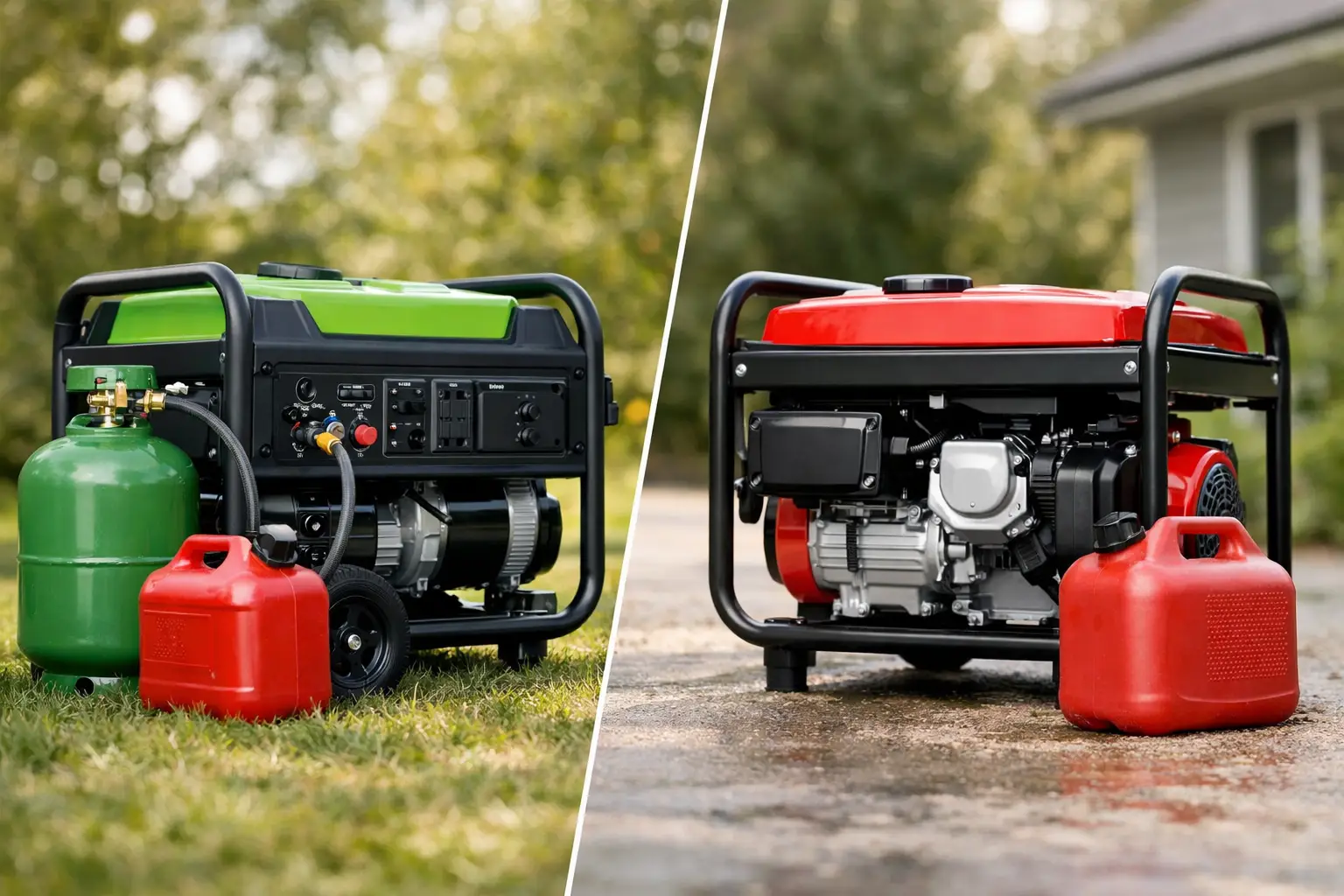
When the power goes out at 2 a.m., the question is not which generator looks better on paper. It is which one starts, carries the load you need, and uses a fuel you can actually get. That is why dual fuel vs gas generator is such a common buying decision for homeowners, RV owners, campers, and anyone building a serious emergency backup plan.
For many buyers, this choice comes down to flexibility versus simplicity. A gas-only generator is straightforward and often costs less upfront. A dual fuel model adds the ability to run on gasoline or propane, which can be a major advantage during storms, long outages, and seasonal storage. Neither option is automatically better. The right one depends on how you plan to use it, how long you may need it, and how much fuel management you are willing to take on.
Dual fuel vs gas generator: the real difference
A gas generator runs on gasoline only. You fill the tank, follow the startup procedure, and power your connected loads. This is the most familiar setup, and it is still common in portable units for home backup, tailgating, and jobsite use.
A dual fuel generator can run on either gasoline or propane, though not usually both at the same time. Most models let you choose your fuel source with a selector switch or regulator setup. In practical terms, that gives you options. If gas stations are closed after a storm but you have propane cylinders on hand, you can still run the generator. If you are camping and want cleaner storage with less fuel smell, propane may be more convenient.
That flexibility is the main reason buyers consider dual fuel units in the first place. The question is whether that advantage matters enough for your specific use.
Upfront cost and long-term value
Gas-only generators usually win on purchase price. If you compare similar wattage classes, a gas model is often cheaper than a dual fuel version from the same brand. For budget-focused shoppers who need occasional backup power and want the lowest barrier to entry, that matters.
But upfront price is only part of the picture. A dual fuel generator can offer better long-term value if fuel availability is a concern where you live. Propane stores far longer than gasoline and does not gum up a carburetor the same way stale gas can. That can reduce headaches if the generator sits for
months between uses.
For example, a homeowner who runs a generator only during storm season may benefit more from a dual fuel inverter generator or portable open-frame model than someone who uses a generator weekly on a jobsite. In frequent-use situations, the simplicity and lower initial cost of a gas generator may make more sense.
Fuel storage changes the whole decision
This is where many buyers make up their minds.
Gasoline is easy to find under normal conditions, and gas generators are simple to refuel. But gasoline has storage limits. It degrades over time, even with stabilizer, and it must be stored carefully for safety. If you forget to rotate your stored fuel, your backup plan can fail before the outage even starts.
Propane is easier to store for long periods. A standard 20-pound cylinder can sit for months or years without the fuel going bad. That makes dual fuel units especially appealing for emergency preparedness. You are not depending entirely on fresh gasoline when a storm warning appears.
There is a trade-off, though. Propane cylinders run out, and unless you have multiple tanks or a larger external supply, you may find yourself swapping tanks more often than you would like. Propane refueling is also less convenient in some areas than filling a gas can.
If your priority is emergency readiness with minimal fuel maintenance, dual fuel has a strong edge. If your priority is easy local refueling and everyday convenience, gas remains very practical.
Runtime and power output
Buyers often assume dual fuel is better in every category, but power performance is one area where the details matter.
Most dual fuel generators produce slightly less running and starting wattage on propane than on gasoline. That is normal. If a unit is rated at a higher output on gas and a lower output on propane, that does not mean anything is wrong with it. It just means the engine gets a bit more energy from gasoline.
This matters if you are sizing a generator for heavy startup loads like a well pump, refrigerator, portable AC, or sump pump. A generator that comfortably handles your needs on gas may be closer to its limit on propane. Always check both rating sets before you buy.
Runtime can also shift depending on the fuel source and load. Onboard gasoline tanks are easy to understand because manufacturers usually list runtime at 25 percent or 50 percent load. Propane runtime depends on cylinder size and consumption rate. A 20-pound tank may work fine for shorter use, but for overnight backup power, you may want larger tanks or a model that supports external propane hookup.
Maintenance and reliability in storage
This is one of the biggest practical advantages of a dual fuel generator.
Gasoline systems require more attention over time. Carburetors can clog, fuel lines can age, and stale gas can cause hard starts. If you choose a gas-only model, you need a clear storage routine. That usually means draining fuel or running the carburetor dry, using stabilizer, and testing the unit regularly.
Propane burns cleaner and is often easier on storage-related maintenance. A dual fuel generator still has a gasoline system that needs care if you use gas, but the option to run propane reduces the risk of fuel-related problems when the unit sits idle.
That does not mean dual fuel is maintenance-free. It simply gives you another operating path when gasoline becomes a problem. For occasional users, that can be a meaningful reliability advantage.
Cold weather, portability, and everyday use
Cold weather can complicate this decision. Gasoline engines can be harder to start in freezing conditions if maintenance has been neglected, but propane also has performance limitations in very cold temperatures as tank pressure drops. If you live in a northern climate and expect winter outages, fuel storage and low-temperature performance deserve extra attention.
Portability matters too. A gas generator is often more grab-and-go because everything is built around one fuel source and the onboard tank. With dual fuel, propane use means carrying and connecting a cylinder, regulator hose, and often a backup tank if you want extended runtime.
For
camping or RV use, dual fuel can be very appealing because propane is already part of the setup. Many RV owners keep cylinders on hand for appliances, so using the same fuel type for a generator feels natural. For tailgating, jobsite work, or occasional outdoor tools, a gas inverter generator may feel simpler and faster.
Which type makes more sense for your situation?
Choose a gas generator if simplicity is your priority
A gas generator is often the better fit if you want lower upfront cost, straightforward operation, and easy fueling for frequent or short-duration use. It works well for jobsites, weekend use, and buyers who are comfortable managing gasoline storage and maintenance.
It also makes sense when maximum power output per dollar is the goal. If you are comparing units in the same price range, gas-only models can sometimes give you more wattage for less money.
Choose a dual fuel generator if preparedness matters most
A dual fuel generator is usually the smarter buy if you want backup options, longer fuel storage life, and more flexibility during emergencies. It is especially useful for homeowners in storm-prone areas, RV users, and anyone who does not want to rely entirely on gasoline availability.
It can also be the better fit for people who use a generator only a few times a year. In that case, propane storage convenience may outweigh the extra initial cost.
Product types worth considering
The fuel choice is only one part of the decision. You also need to match the generator type to your use case.
Portable open-frame generators are common for home backup and high-wattage needs. Inverter generators are quieter and better for electronics, RV use, and camping. Some manufacturers offer dual fuel inverter models that combine cleaner power with fuel flexibility, though these often cost more.
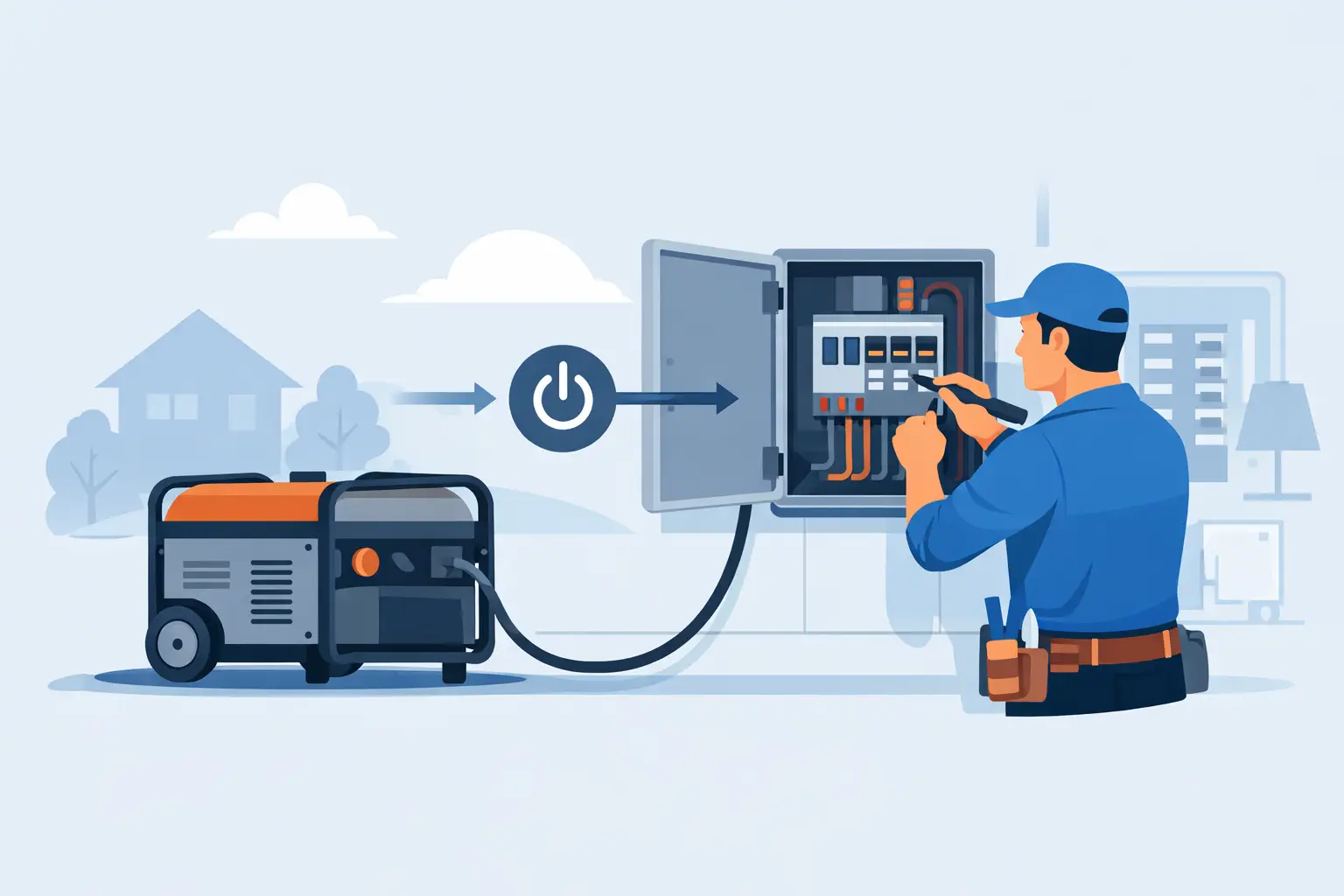
If you are shopping for whole-home support, transfer switch compatibility, electric start, wheel kits, CO shutoff, and outlet selection may matter just as much as the fuel system. At TopGeneratorsOnline, the best buying decisions usually come from looking at the entire ownership picture, not just the headline feature.
The better question is not which is best
The better question is which inconvenience you would rather live with. A gas generator asks you to stay disciplined about fuel freshness and maintenance. A dual fuel generator asks you to pay more upfront and think through propane supply and output differences.
For many homeowners, dual fuel is worth it because outages are unpredictable and fuel flexibility is hard to replace once you need it. For many budget-conscious buyers and frequent users, gas is still the right answer because it is simpler, cheaper, and fully capable when maintained properly.
If you expect real emergencies, not just occasional convenience, lean toward the setup that gives you more ways to keep power on when your first plan falls apart. That is usually the safer place to spend your money.