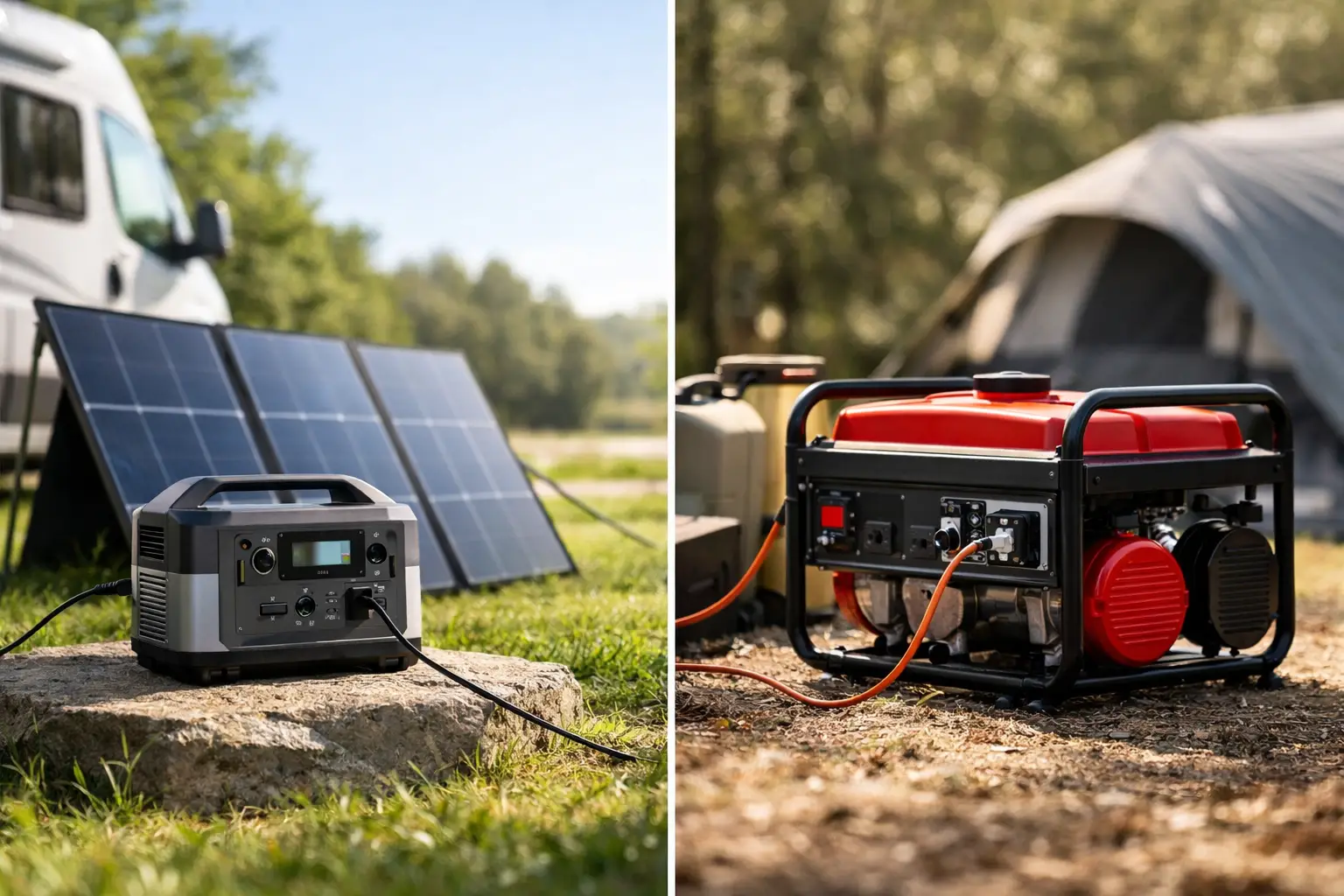
A lot of generator decisions get made in a hurry – usually right before storm season, right after a blackout, or the day someone realizes their campsite does not have hookups. That is when the solar generator vs gas generator question stops being theoretical and becomes very practical. The right choice depends less on hype and more on what you actually need to power, for how long, and under what conditions.
Some buyers assume solar is always cleaner and better, while gas is always stronger and more dependable. That is too simple. Both options can be excellent tools. Both also come with limitations that matter once you start matching wattage, runtime, fuel access, charging speed, noise level, and long-term ownership costs to real-world use.
Solar generator vs gas generator: the core difference
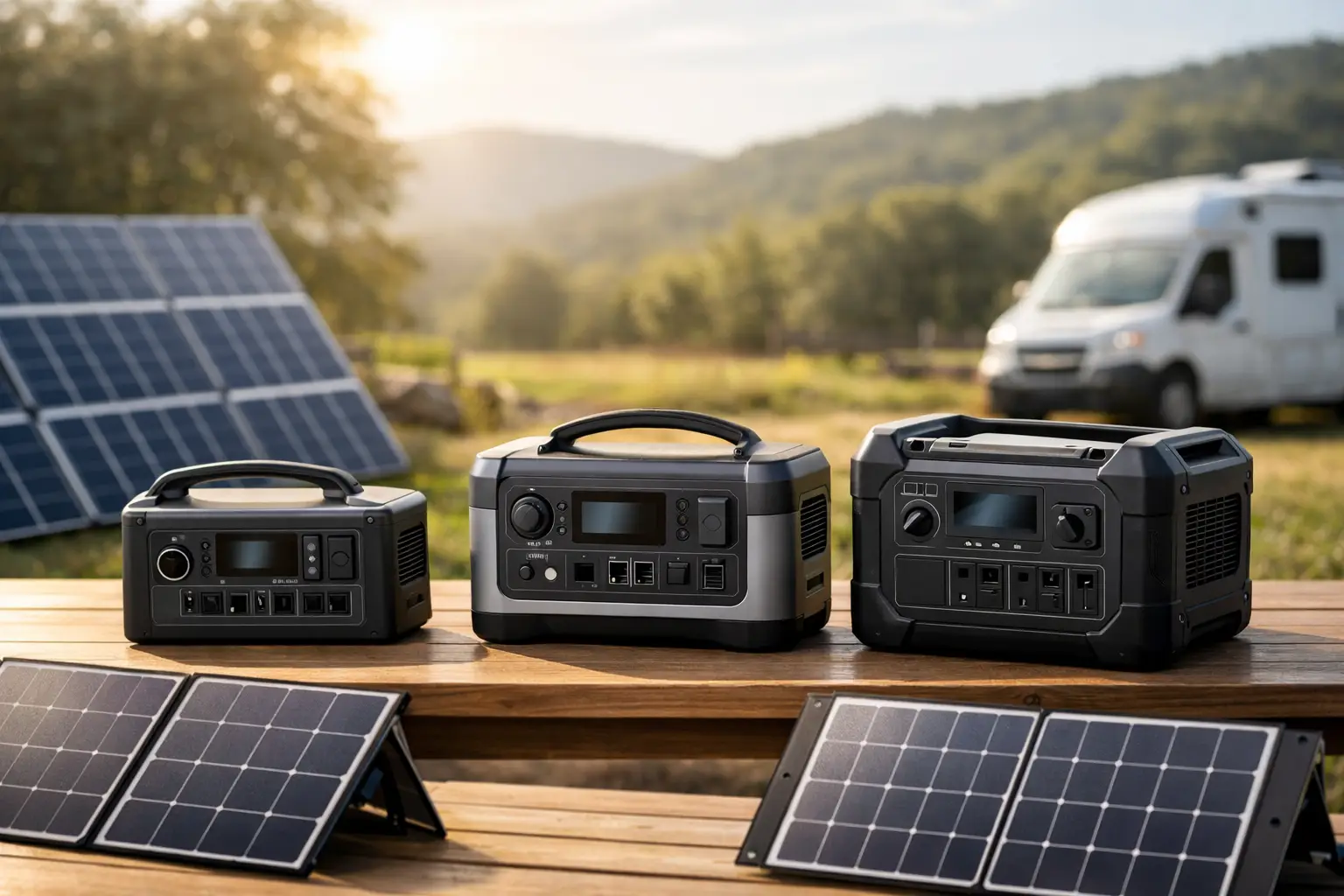
A gas generator creates electricity by burning fuel in an engine. A solar generator is usually a portable power station paired with solar panels, storing energy in a battery and delivering it through AC outlets, USB ports, and sometimes a 30A RV outlet. One makes power on demand as long as you have fuel. The other stores power in advance and can recharge from the sun, wall power, or a vehicle.
That difference affects everything else. Gas units are typically measured by running watts and starting watts because they are meant to handle motor loads such as refrigerators, sump pumps, air compressors, and power tools. Solar generators are often judged by battery capacity in watt-hours, inverter output in watts, and recharge speed. If you are shopping for a home backup solution, that distinction matters more than the marketing label on the box.
Power output and appliance compatibility
If your priority is running high-demand equipment, gas generators still have a clear advantage. A portable gas model in the 3,000 to 7,500 running watt range can support multiple household essentials, and larger units can handle much more. Starting surges from refrigerators, window AC units, well pumps, and some jobsite tools are easier to manage with gas.
Solar generators work best when the loads are moderate and predictable. They are excellent for phones, laptops, routers, CPAP machines, lights, TVs, small kitchen devices, battery chargers, and many portable electronics. Some high-end power stations can run a refrigerator, microwave, or even a small air conditioner for a limited time, but that depends on inverter rating and battery size. A compact unit may have enough output for a coffee maker but not enough stored energy to run it repeatedly.
This is where many buyers get tripped up. Seeing a 2,000W solar generator sounds impressive until you realize the battery may only power a 1,000W appliance for a short period before recharge is needed. With gas, the issue is usually fuel consumption. With solar, the issue is energy reserve.
Runtime, refueling, and recharge reality
Gas wins when you need long runtime in a grid-down emergency and fuel is available. You can extend operation by refilling the tank or storing extra gasoline safely. For multi-day outages, that flexibility matters, especially if you need to cycle a refrigerator, freezer, sump pump, and a few lights.
But there is a trade-off. Fuel has to be
stored, rotated, and stabilized. During a regional outage, gas stations may be crowded, closed, or unable to pump fuel. Runtime is only as reliable as your fuel plan.
Solar generators are simpler to live with day to day. Charge them from a wall outlet, top them off from solar panels, and keep them ready indoors. During a short outage, that can be extremely convenient. For longer outages, however, solar charging depends on panel size, weather, season, and available sun. Recharging a large battery bank from portable panels can take much longer than buyers expect.
If your backup plan has to cover several cloudy days while running major appliances, solar alone may feel restrictive unless you invest in a larger battery setup and substantial solar input capacity.
Noise, emissions, and where you can use them
This is where solar has an easy win. A battery power station is quiet, has no exhaust, and can be used indoors. That makes it ideal for apartments, bedrooms, RVs, campsites with noise restrictions, and situations where you do not want to disturb neighbors or family members.
Gas generators are louder and produce carbon monoxide, so they must be used outdoors with safe clearance from doors, windows, and vents. That safety rule is not optional. For homeowners, that means more setup planning in bad weather and more attention during operation.
For
camping and overlanding, noise alone often decides the purchase. A quiet solar setup for lights, charging, a portable fridge, and fan use is much more pleasant than listening to an engine every evening. On jobsites, though, the extra noise of gas may be acceptable if the generator is powering saws, compressors, and heavier tools.
Maintenance and storage
Gas generators ask more from the owner. You need to check oil, handle fuel properly, exercise the unit periodically, and stay on top of
spark plugs, air filters, and carburetor issues. If a gas generator sits too long with untreated fuel, starting problems are common.
Solar generators are much lower maintenance. Keep the battery charged within the manufacturer’s recommendations, store the unit in reasonable temperatures, and clean the panels when needed. That ease of ownership is a major reason many casual users prefer them.
Still, batteries age. Capacity drops over time, and replacement cost can be significant depending on the unit. Lithium iron phosphate models generally offer better cycle life than older battery chemistries, which is worth paying attention to if you expect frequent use.
Upfront cost vs long-term value
The price comparison depends on size and expectations. A basic gas generator often gives you more wattage per dollar upfront. If you need strong output at the lowest purchase price, gas is hard to ignore.
Solar generators can cost more at the start, especially once you add extra battery capacity or solar panels. But operating costs are lower because there is no gasoline, fewer moving parts, and less routine maintenance. For buyers who use backup power regularly for camping, RV stops, remote work, tailgating, or light emergency readiness, that can shift the value equation over time.
The mistake is comparing sticker price without comparing use pattern. If the generator will sit in a garage for years and only come out for storm outages, a gas model may make more financial sense. If it will be used every month for travel, outdoor events, or off-grid charging, solar often feels easier and more cost-effective to own.
Best uses for each option
A solar generator is often the better fit for indoor backup of electronics and medical devices, quiet camping, van life, RV battery support, apartment emergency kits, and anyone who wants simple operation without fuel handling. It also works well for people who need a portable power station they can recharge from the wall between trips and keep ready for outages.
A gas generator is usually the stronger choice for whole-home essentials, longer outages, high-surge appliances, demanding jobsite loads, and situations where rapid refueling matters more than convenience or quiet operation. Homeowners with refrigerators, freezers, pumps, and heating equipment typically get more practical backup capability from gas unless they are stepping up to a much larger battery-based system.
How to choose without overbuying
Start with your must-run items, not the generator category. List the devices you actually need during an outage or trip. Separate them into three groups: always-on essentials, occasional-use items, and nice-to-have items. Then check running watts, starting watts where applicable, and expected daily use.
If your list is mostly electronics, lighting, communications gear, and small devices, a solar generator may cover it with less hassle. If your list includes motor-driven appliances or long-duration backup needs, gas deserves serious attention.
It is also smart to think about your location and habits. A suburban homeowner preparing for storm outages has different needs than an RV traveler, a weekend camper, or a contractor. At TopGeneratorsOnline, that is usually the deciding factor we come back to: not which type sounds better, but which one matches the real load profile and usage pattern.
There is no prize for buying the most generator. The better outcome is buying the one you will actually be able to use safely, maintain confidently, and count on when the power goes out.