As an Amazon Associate I earn from qualifying purchases.
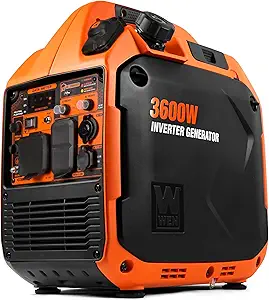
Power outages, RV travel, outdoor projects, and emergency preparedness all create situations where portable electricity can be useful. For many users, a dual fuel inverter generator offers an extra layer of flexibility because it can operate on gasoline or propane, depending on what fuel is available.
Dual fuel inverter generators combine inverter technology with the ability to use two fuel sources. Inverter systems can adjust engine speed according to electrical demand, which can help reduce fuel consumption and noise at lighter loads. They also produce regulated electrical output suitable for many common electronics. However, performance, runtime, noise level, and fuel consumption vary considerably from one model to another.
If you are shopping for a dual fuel inverter generator in 2026, the most important factors to compare are running watts, starting watts, fuel options, runtime, noise, portability, outlet configuration, and safety features.
Dual Fuel Inverter Generators on Amazon
| Generator | Check Price |
|---|---|
| WEN DF360iX | Check Amazon Price |
| Westinghouse 4000 Peak Watt | Check Amazon Price |
| WEN DF680iX | Check Amazon Price |
| Westinghouse 5000 Peak Watt | Check Amazon Price |
| Champion 4500-Watt Dual Fuel | Check Amazon Price |
Why Choose a Dual Fuel Inverter Generator?
A dual fuel inverter generator can be useful when you want portable electricity but do not want to rely on a single fuel source. The best choice depends on how much power you need and where you plan to use the generator.
1. Fuel Flexibility
A dual fuel generator gives you two fuel options instead of relying exclusively on gasoline.
Gasoline is widely available and convenient for many portable applications, while propane can be useful for users who already keep compatible propane cylinders for emergency preparedness or outdoor equipment.
Fuel storage should always follow local requirements and the manufacturer’s instructions.
2. Efficient and Regulated Power
Inverter technology allows the generator to adjust engine speed based on electrical demand. This can reduce fuel consumption and noise when the load is lower.
Inverter generators also produce regulated power with low total harmonic distortion on many models, making them suitable for electronics such as laptops, televisions, chargers, and other sensitive equipment.
Always check the requirements of specialized or medical equipment before connecting it to a portable generator.
3. Portable Options for RVs, Camping, and Jobsites
Portable inverter generators come in a wide range of sizes.
Smaller models are easier to carry, while higher-output units may use wheels and telescoping handles because of their additional weight.
Before buying, consider not only the generator’s wattage but also its weight, dimensions, handles, and wheel design if you expect to move it frequently.
4. Built-In Safety Features
Many modern portable generators include carbon monoxide monitoring, low-oil shutdown, overload protection, or other safety features.
CO shutdown systems can provide an additional layer of protection, but they do not make indoor operation safe.
The CDC recommends operating portable generators outdoors, at least 20 feet away from doors, windows, and vents.
Detailed Generator Reviews and Key Benefits
WEN DF360iX: Compact Dual-Fuel Power for RVs and Emergencies
The WEN DF360iX is a compact dual fuel inverter generator designed for RV use, camping, and basic emergency backup.
On gasoline, it produces up to 3,600 starting watts and 2,900 running watts. On propane, output is rated at 3,500 starting watts and 2,600 running watts.
It also includes WEN’s CO Watchdog system, fuel shutoff, low-oil and low-fuel shutdown features, overload protection, and parallel capability with a compatible WEN connection kit.
Its relatively compact design makes it easier to transport than larger 5,000- to 7,000-watt inverter generators.
Best for: RVs, camping, small essential loads, and emergency backup
Power class: Compact to moderate
Westinghouse 4000 Peak Watt: RV-Friendly Dual-Fuel Power
The Westinghouse 4000 Peak Watt Dual Fuel Inverter Generator is designed for users who want a relatively compact generator with gasoline and propane capability.
The dual-fuel version produces up to 4,000 peak watts and 3,300 running watts, with an RV-ready 30-amp TT-30R outlet. Current listings also show CO monitoring and portability features such as a telescoping handle and wheels.
The compact design makes this class of generator useful for RV trips, camping, tailgating, and selected home backup loads.
Before connecting an RV air conditioner or another high-demand appliance, check its starting and running wattage against the generator’s available output.
Best for: RVs, camping, tailgating, and essential backup loads
Power class: Moderate
WEN DF680iX: Higher Output for Larger Loads
The WEN DF680iX moves into a higher power class than the smaller portable models in this list.
It produces up to 6,800 starting watts and 5,100 running watts on gasoline, or 6,000 starting watts and 4,500 running watts on propane. It also supports 120/240-volt output, making it more suitable for larger electrical loads than a typical 3,000- to 4,000-watt portable inverter.
Its higher output can make it useful for selected home backup loads, workshops, and larger RV setups. However, the actual appliances you can operate simultaneously depend on their running and starting wattage.
Do not choose a generator based solely on its peak wattage. The running-watt rating is the more important figure for sustained loads.
Best for: Larger backup loads, workshops, and high-demand portable power
Power class: High
Westinghouse 5000 Peak Watt: High-Capacity Dual-Fuel Inverter
The Westinghouse 5000 Peak Watt Dual Fuel Inverter Generator is designed for users who need more output than a typical 3,000- or 4,000-watt portable inverter can provide.
The iGen5000DFc is rated for 5,000 peak watts and 3,900 running watts, with gasoline or propane operation.
Features include remote start, a real-time LED display, RV-ready capability, automatic low-oil shutdown, CO shutdown, and wheels with a telescoping handle. Westinghouse lists up to 18 hours of gasoline runtime at a light load.
Because this generator weighs more than many compact inverter models, the wheel and handle system becomes especially useful when moving it around a property or campsite.
Best for: RVs, larger backup loads, and users who need more portable output
Power class: High
Champion 4500-Watt Dual Fuel: Lightweight and RV-Friendly
The Champion 4500-Watt Dual Fuel Inverter Generator combines gasoline and propane capability with a relatively lightweight design.
Model 201531 produces 4,500 starting watts and 3,250 running watts on gasoline, or 4,500 starting watts and 2,925 running watts on propane.
Champion lists noise output at 64 dBA from 23 feet and runtime of up to 10 hours on gasoline or 25 hours on a 20-pound propane tank at 25% load. The generator also includes CO Shield, low-oil shutdown, clean power with less than 3% THD, and parallel capability with compatible equipment.
CO Shield is an additional safety feature, not permission to use the generator indoors or close to occupied buildings. Portable generators should always be operated outdoors in accordance with the manufacturer’s safety instructions and current public-health guidance.
Best for: RVs, camping, tailgating, and essential backup power
Power class: Moderate
How to Choose the Right Dual Fuel Inverter Generator
1. Power Requirements
Start by calculating the electrical load you expect to use.
Make a list of the appliances you expect to run at the same time and separate their running watts from their starting watts.
Motors used in refrigerators, pumps, air conditioners, and power tools can require substantially more power when they start.
For example, a generator that can comfortably handle a refrigerator and several small electronics may not have enough capacity to start an RV air conditioner or a large power tool at the same time.
2. Fuel Availability
Consider both fuel storage and local availability.
Gasoline is convenient for many portable applications, while propane can provide another option for users who already maintain propane cylinders.
Compare the generator’s rated propane output and propane runtime rather than assuming every model performs the same on LPG.
3. Portability
If you plan to travel, camp, or move the generator frequently, pay attention to its weight and physical design.
Smaller models may be manageable with a built-in handle, while larger generators can require wheels and a telescoping handle.
Remember that higher-wattage inverter generators can weigh well over 90 pounds, so portability features can be just as important as wattage.
4. Runtime and Efficiency
Compare published runtime at the same load whenever possible.
Manufacturer runtime figures are usually measured at a specific percentage of load, so a generator advertised for 10, 14, or 18 hours may run for substantially less time when powering heavier loads.
Also compare gasoline and propane runtime separately because the output and runtime can change when switching fuels.
5. Safety Features
Look for CO monitoring or automatic CO shutdown, low-oil shutdown, overload protection, and covered outlets.
These features provide additional protection but never replace safe generator placement.
Portable generators should be operated outdoors and at least 20 feet from doors, windows, and vents, according to CDC guidance.
Never operate a portable gasoline or propane generator inside a home, garage, or other enclosed space, even when doors or windows are open.
Maintenance and Longevity Tips
Proper maintenance can help a portable generator remain ready when you actually need it.
- Follow the maintenance schedule in the owner’s manual, including oil changes and air-filter service.
- Run the generator periodically under an appropriate load so you can verify that it starts and operates correctly before an emergency.
- Inspect fuel lines, propane connections, electrical outlets, and cables for damage or wear.
- Store gasoline according to local requirements and manufacturer recommendations, and avoid leaving old fuel in the tank longer than recommended.
- Keep the generator clean, dry, and protected from rain and moisture while following the manufacturer’s storage instructions.
- Check the CO safety system and other warning indicators according to the owner’s manual.
- Inspect the generator before every extended use, particularly after long periods of storage.
Final Thoughts
Dual fuel inverter generators can be a practical option for users who want portable power with the flexibility of gasoline and propane.
The right model depends on how much power you need, how often you plan to move the generator, which fuel is easiest for you to manage, and whether you need features such as RV-ready outlets, remote start, 120/240V output, or parallel capability.
The WEN DF360iX and Champion 4500-watt models are aimed at more portable applications, while the WEN DF680iX and Westinghouse 5000-watt models provide substantially more output for larger loads.
Before buying, compare running watts rather than focusing only on peak wattage, check the manufacturer’s specifications for both gasoline and propane, and make sure the available outlets match your intended equipment.
Most importantly, treat carbon monoxide safety as a fundamental part of generator operation. CO sensors and automatic shutdown systems are useful additional features, but they do not replace proper outdoor placement and adequate distance from occupied buildings.