When the lights go out, most people do the same thing first – check the panel, look outside, and hope the power comes back before the fridge starts warming up. If outages are common where you live, waiting it out stops being a plan. Finding the best generator for power outage situations means matching the machine to what you actually need to keep running, not just buying the biggest unit you can afford.
That distinction matters more than many buyers expect. A generator that handles a few lights, the refrigerator, and the internet modem is a very different purchase from one that can run central air, a well pump, and most of the house. The right choice depends on your load, fuel access, noise tolerance, and how much setup work you are willing to handle.
What makes the best generator for power outage use?
For home backup, the best generator is not always the highest-wattage model. It is the one that starts reliably, supports your critical circuits, runs long enough to get you through an overnight outage, and does so without creating safety issues or constant refueling headaches.
Start with reliability and usable output. Generators are often marketed with starting watts and running watts, but your appliances care about the real continuous power available. Refrigerators, freezers, sump pumps, and portable AC units can pull a startup surge that is much higher than their running load. If your generator barely covers the math on paper, it may still struggle in actual use.
Fuel type also changes the ownership experience. Gasoline generators are easy to find and usually cost less up front, but gasoline storage has limits and refueling during a long outage can be frustrating. Propane burns cleaner and stores better, though it often delivers slightly less power than gasoline. Dual-fuel models are popular for outage prep because they give you flexibility when one fuel source is harder to get.
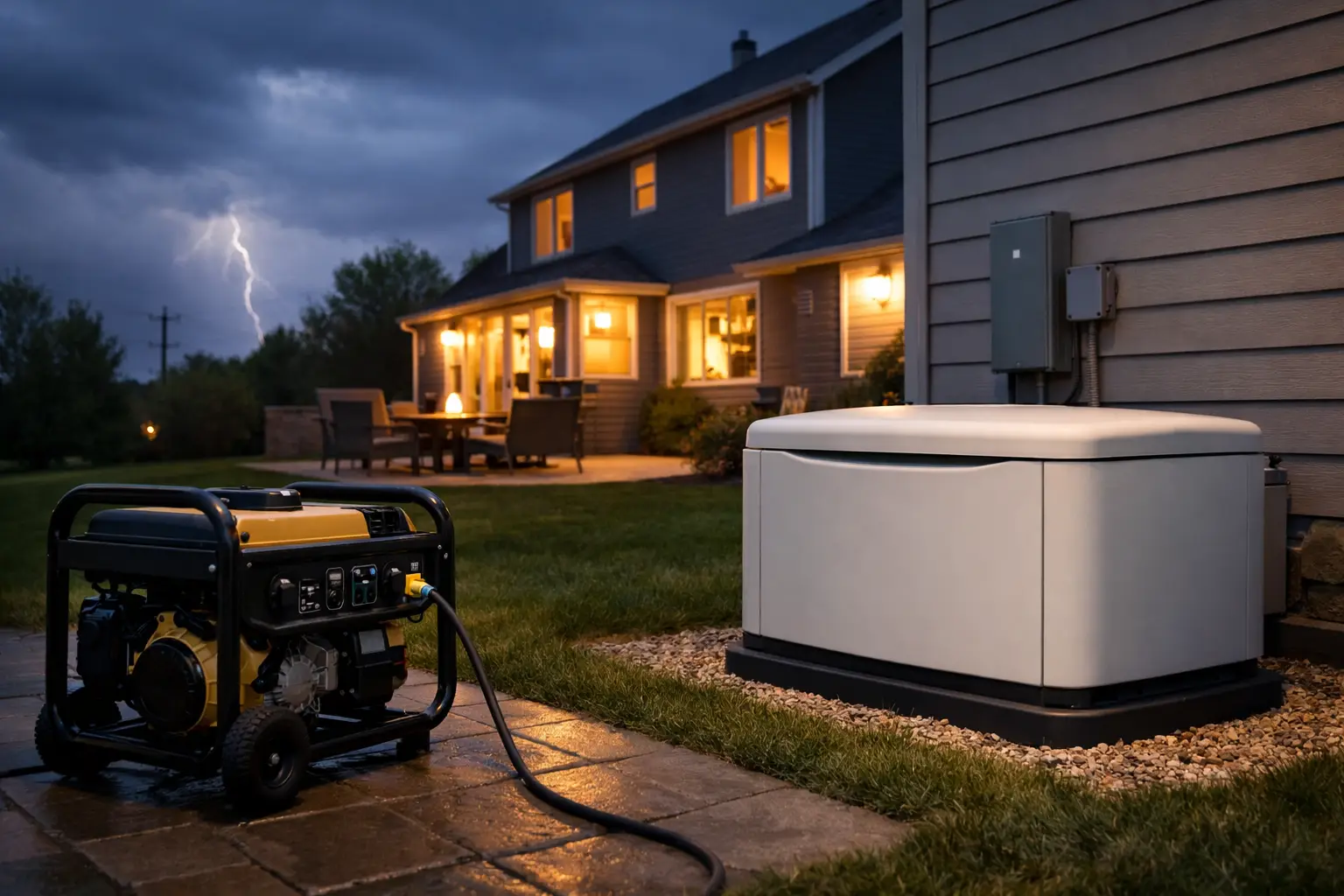
Then there is transfer setup. If you want clean, safe home backup, the generator should work with an appropriate transfer switch or interlock installed by a qualified professional. Extension cords can work for a short-term emergency, but they are less convenient and more limiting. Buyers who want whole-home style backup from a portable generator need to think beyond wattage and consider outlet configuration, 240V support, and compatibility with their electrical setup.
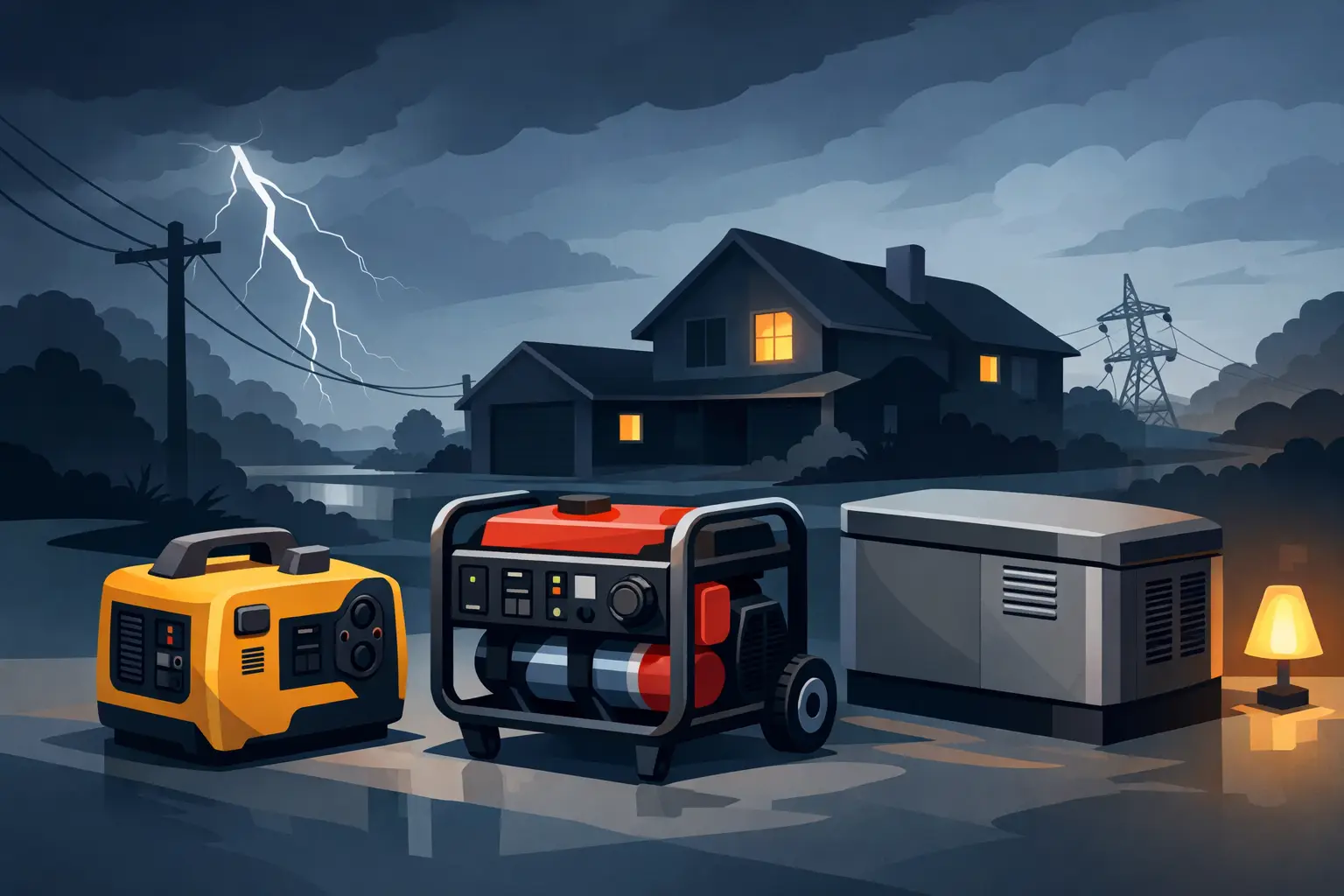
Portable vs standby: which type is best?
For many households, a portable generator is the best generator for power outage protection because it offers the best balance of price, flexibility, and power. A good portable unit can run essentials during storms, support outdoor projects the rest of the year, and cost far less than a permanent standby system.
Portable models do come with trade-offs. You need to move them into position, keep fuel on hand, start them manually unless they have electric start, and connect loads properly. They also must be used outdoors at a safe distance from doors, windows, and vents because carbon monoxide is a serious hazard.
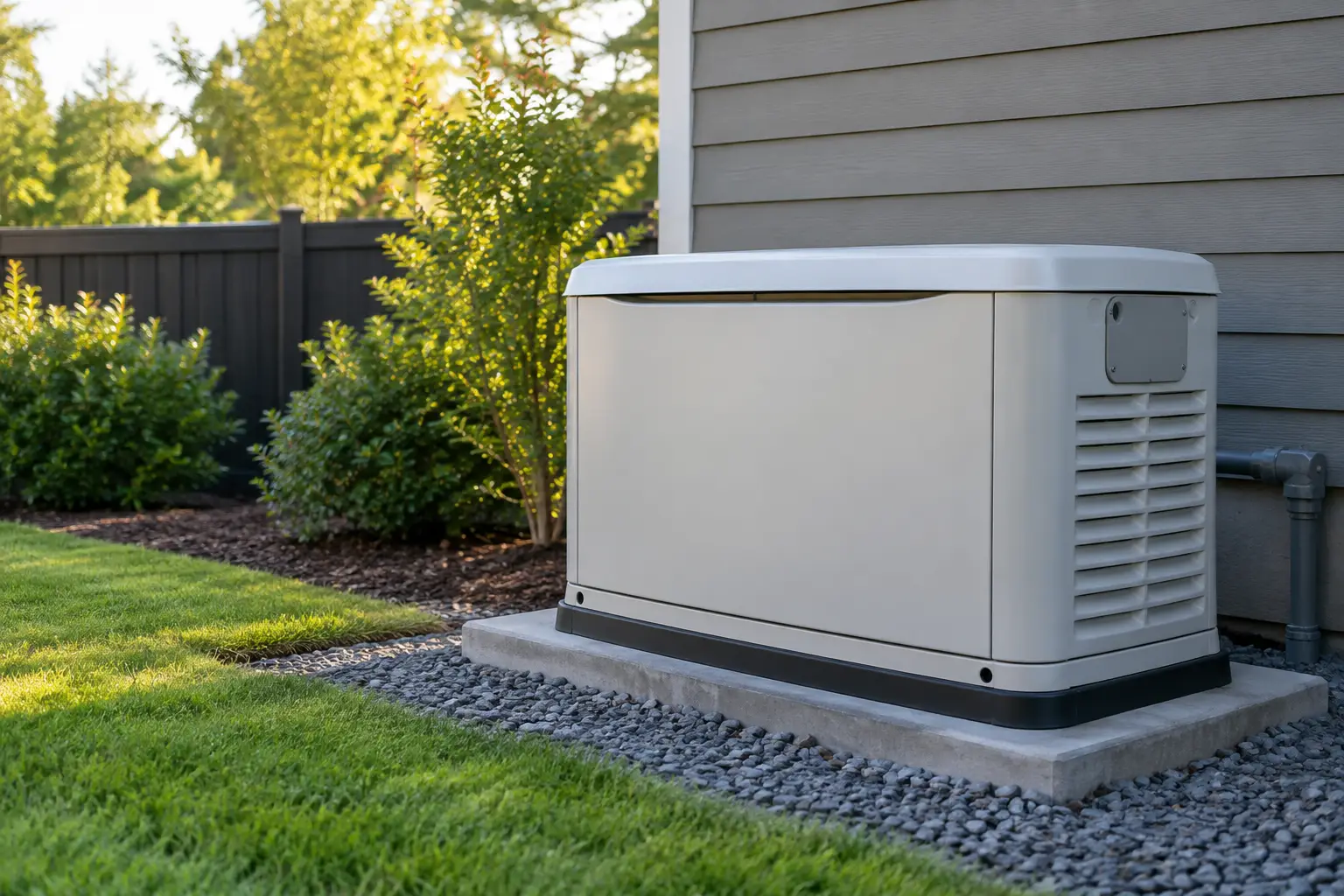
Standby generators are the more convenient option if outages are frequent, long, or medically critical. They are permanently installed, tied into the home fuel supply, and can start automatically when utility power fails. The downside is cost. Purchase price, installation, permits, and fuel system work can put standby power into a very different budget category.
If you are comparing the two, the practical question is simple: do you want affordable emergency power for key circuits, or automatic backup for much of the home? Neither answer is wrong. It depends on your risk, budget, and expectations.
How much generator do you really need?
This is where buyers either save money or waste it. If your goal is survival-level comfort during a blackout, you may only need enough capacity for the
refrigerator, freezer, a few lights, phone chargers, Wi-Fi equipment, and maybe a sump pump or microwave. In many homes, that puts you in the portable generator range around 3,000 to 8,000 running watts depending on what starts at the same time.
If you want to run a well pump, electric water heater, larger portable AC, or multiple kitchen appliances together, your required capacity climbs quickly. Central air is often the deal-breaker. Some larger portable generators can support smaller HVAC systems with careful load management, but many cannot do it comfortably. Buyers often underestimate startup loads and end up with a unit that feels powerful until the compressor kicks on.
A smart way to
size a generator is to separate essential loads from convenience loads. Essentials are the things that prevent food spoilage, flooding, unsafe temperatures, or communication loss. Convenience loads are everything you would like to have but can live without for a day or two. That mindset usually leads to a better purchase than trying to back up the entire house with a mid-size portable unit.
Features worth paying for
Not every upgrade matters, but a few features make a real difference during outages.
Electric start is one of them. Pull-start generators are fine until you need them at night, in bad weather, or after they have been sitting for a while. A unit that starts quickly with a battery-assisted system is easier to live with, especially for older homeowners or anyone who does not want a fight during an emergency.
A fuel gauge and long runtime at 50 percent load are also worth attention. Marketing claims about runtime can sound impressive, but they are only useful when tied to a realistic load level. For outage use, longer runtime means fewer refueling trips and less disruption overnight.
CO shutoff technology is now a key safety feature on many modern portable generators. It should not replace proper placement, but it adds another layer of protection. Low-oil shutdown is similarly useful because it can prevent engine damage if maintenance has been neglected.
For electronics, inverter generators offer cleaner power and quieter operation. They are excellent for modems, laptops, battery chargers, and sensitive devices. The trade-off is that inverter models with enough output for larger home loads can get expensive. Conventional portable generators often make more sense when raw power per dollar is the priority.
Fuel choices and what they mean in a blackout
Gasoline is still the most common option for portable generators, mostly because it is familiar and widely available. The downside appears when outages last longer than expected. Gas stations may lose power, fuel lines can get long, and stored gas needs to be rotated and stabilized.
Propane solves some of those storage problems. It stores for long periods without the same degradation concerns and burns cleaner in many engines. For buyers who already keep propane on-site, a dual-fuel generator can be a strong outage solution. You may lose a bit of maximum output on propane, but the convenience can outweigh that difference.
Natural gas is most relevant with standby generators, though some portable setups can use it with the proper configuration. It offers the advantage of continuous fuel supply if utility gas remains available during the outage. That said, natural gas portability is not really the point. This is about fixed backup systems and home infrastructure, not grab-and-go flexibility.
Common mistakes buyers make
The most common mistake is buying by peak wattage alone. Starting watts look impressive, but they do not tell you how comfortably the generator will support your real load over hours of use. Running watts, outlet options, and fuel runtime matter more.
Another mistake is ignoring connection strategy. A powerful generator is less useful if it does not have the right 120V or 240V outlets for your intended setup. The same goes for homeowners who assume they can just
plug into the house somehow. Safe backup power requires proper transfer equipment. Backfeeding is dangerous and should never be part of the plan.
Noise is another issue buyers notice too late. During a daytime outage, noise may feel tolerable. Overnight, it can become the reason you regret the purchase. If neighbors are close or you expect to run the unit for long stretches, sound level deserves more weight in your decision.
Maintenance gets overlooked too. The best outage generator is still a small engine that needs oil checks, periodic exercise, fresh fuel management, and basic inspection. A machine that sits untouched for two years is not truly emergency-ready.
So what is the best generator for power outage situations?
For most homeowners, the best choice is a portable dual-fuel generator sized for essential circuits, with enough running watts to handle refrigerator loads, sump pump demand, lighting, charging, and either a transfer switch or interlock-ready connection plan. That setup tends to offer the strongest balance of affordability, flexibility, and real emergency usefulness.
If your home has frequent multi-day outages, a well pump, critical medical equipment, or a strong preference for automatic protection, a standby generator may be the better investment despite the higher cost. And if your needs are lighter, an inverter generator can be an excellent fit for quiet operation and clean power, as long as you stay realistic about what it can run.
The best buying decision usually comes from one honest question: what do you need powered by hour one of an outage, not what would be nice by hour twenty-four? Answer that clearly, and the right generator becomes much easier to spot.
A good backup plan should reduce stress, not add to it. If you choose a generator that fits your actual loads, fuel situation, and setup comfort level, you will be better prepared when the next outage hits.