As an Amazon Associate I earn from qualifying purchases.
When a storm knocks out power, the real question is not just which generator to buy. It is how you plan to connect it safely. That is where generator transfer switch vs interlock becomes a practical decision, not a technical side note. Both options let you power parts of your home with a portable generator, but they do it in different ways, with different costs, limitations, and day-to-day convenience.
For most homeowners, the better choice depends on how you expect to use backup power. If you want a simple, controlled setup for a handful of essential circuits, a transfer switch often feels easier to live with. If you want flexibility to power more circuits from your main panel and you are comfortable managing loads carefully, an interlock kit can be a smart and cost-effective solution.
Generator transfer switch vs interlock: the basic difference
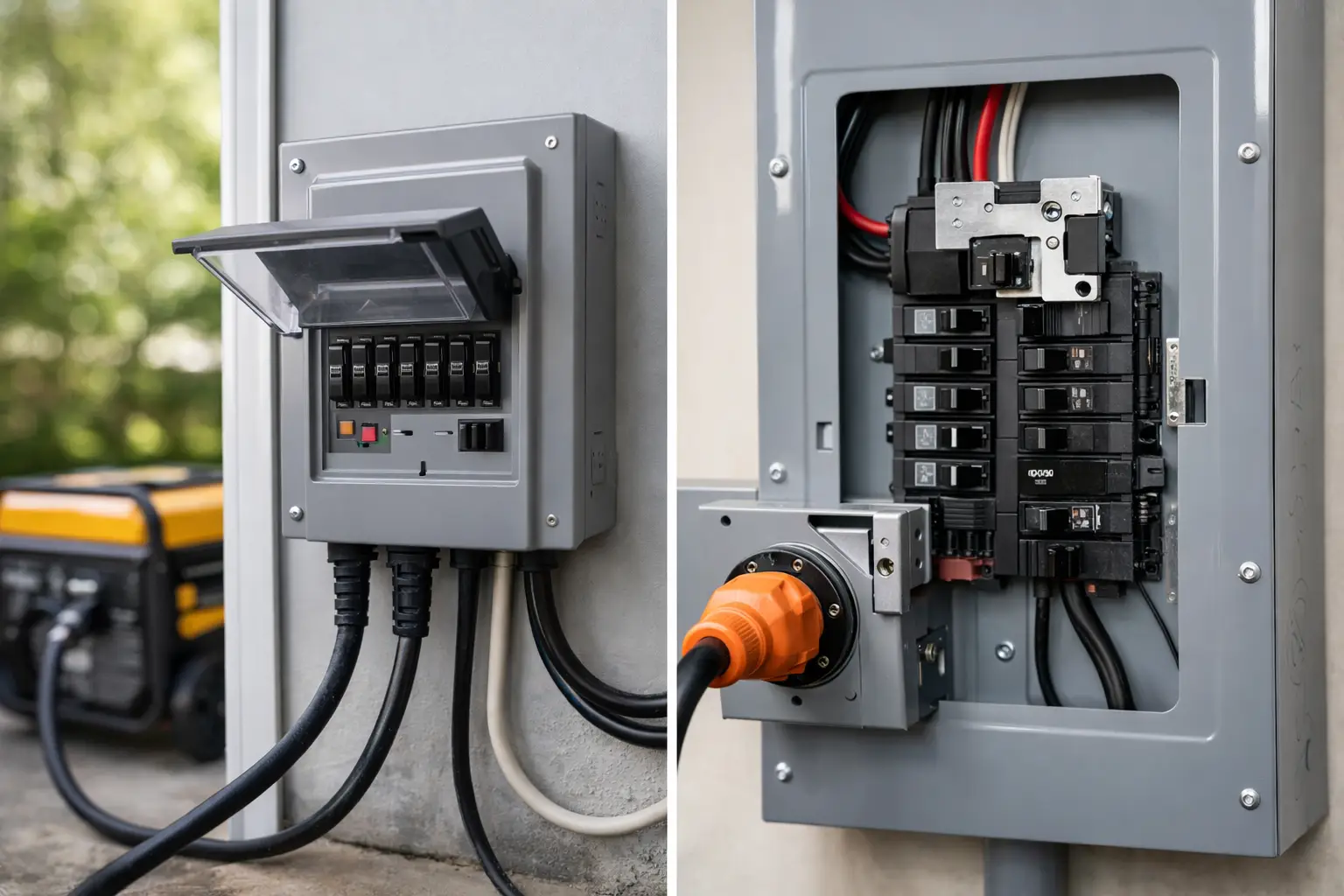
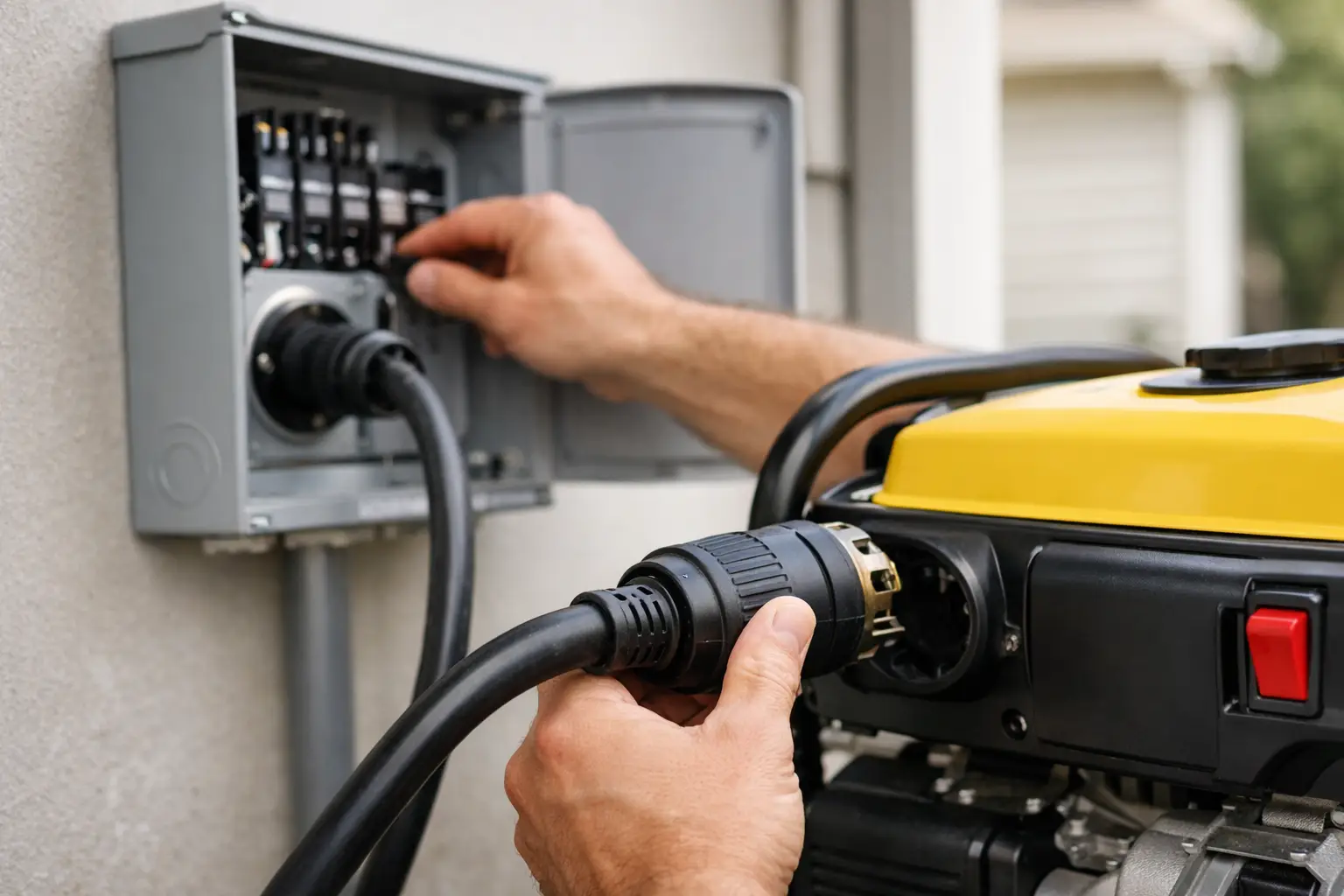
A transfer switch is a separate device installed near your main electrical panel. It is wired to selected circuits you want to run during an outage, such as the refrigerator, furnace, sump pump, lights, or a few outlets. When utility power fails, you connect the generator, move the switch from utility to generator, and those chosen circuits receive backup power.
An interlock kit works differently. Instead of separating out a few circuits into a dedicated switch, it adds a mechanical barrier to your main breaker panel. That barrier prevents the main utility breaker and the generator backfeed breaker from being on at the same time. In plain terms, it lets your generator feed the panel safely while blocking dangerous power from going back out to the utility lines.
Both are designed to prevent backfeeding, which is the major safety issue. Neither should be confused with plugging a generator into a dryer outlet or using improvised cords. That shortcut is unsafe, often illegal, and puts utility workers, your equipment, and your home at risk.
How each option works in real life
A transfer switch is usually the more guided system. You decide in advance which circuits matter most, and those are the ones available during an outage. That can be a big advantage for homeowners who do not want to think too hard under pressure. If the power goes out at 2 a.m., you already know what will run.
An interlock gives you access to your panel circuits, but not unlimited power. You still have to manage generator capacity carefully. If your portable generator produces 7,500 running watts, for example, you cannot run central air, an electric range, a water heater, and every room light at once just because the panel makes those breakers accessible. The interlock gives choice, not extra output.
That difference matters a lot with portable generators in the 5,000 to
10,000 watt range. Many popular home backup models in that class can run essential appliances well, but they still require load planning. With a transfer switch, that planning is partly built into the system. With an interlock, you manage it manually by choosing which breakers to turn on.
Safety is strong with both, but installation quality matters most
Homeowners sometimes ask whether one is safer than the other. Installed properly, both can be safe and code-compliant. The bigger issue is whether the equipment matches your panel, generator inlet, and intended load.
A transfer switch is often seen as the more beginner-friendly safety choice because it limits what you can energize. That reduces the chance of overloading a smaller generator. It also creates a more structured setup, which many electricians and homeowners appreciate.
An interlock can be just as safe, but it depends more on correct panel compatibility and informed operation. Not every breaker panel accepts every interlock kit. Using a generic or poorly fitted kit is a bad idea. This is one area where exact model matching matters.
If you are comparing parts online, this is also why the cheapest kit is not automatically the best value. A properly listed interlock made for your exact panel is worth paying for. The same goes for transfer switches, generator inlet boxes, and power cords. Backup power accessories are not the place to gamble on questionable fitment.
Cost: interlock usually wins upfront
If budget is a major factor, an interlock kit usually costs less than a transfer switch. The hardware itself is simpler, and it does not require moving selected circuits into a separate switch assembly. For many homeowners, that lower entry cost is the main reason interlocks are so popular.
That said, total installed cost can vary depending on your panel, local code requirements, and whether you need a new inlet box, new breakers, or panel upgrades. Labor may still be significant, especially if your panel is crowded or older.
A transfer switch usually costs more because it adds another piece of equipment and more wiring work. But that extra cost buys convenience and structure. For some buyers, especially those who want an easier outage routine for the whole household, that trade-off makes sense.
Convenience: transfer switches are simpler during an outage
This is where the decision often becomes clear.
With a transfer switch, the outage plan is mostly predetermined. You know the circuits, you know the limits, and operation tends to be more straightforward. That can be ideal if multiple family members may need to use the system safely.
With an interlock, you get more control, but you also get more responsibility. You need to decide which breakers stay off and which ones can run together. If you are comfortable balancing loads and you want the freedom to switch between well pump, microwave, kitchen outlets, and bedroom circuits as needed, that flexibility is valuable.
So the better system depends on the user as much as the hardware. The less you want to think about panel management during an emergency, the more attractive a transfer switch becomes.
Generator size and appliance priorities matter
A small portable generator changes the equation. If your unit is just meant to keep the refrigerator cold, run a gas furnace blower, charge phones, and power a few lights, a transfer switch lines up well with that goal. It creates an essentials-only backup plan.
A larger portable generator with a 30-amp or
50-amp outlet may pair very well with an interlock, especially if you want to shift power where it is needed most. For example, you might run the freezer and lights first, then switch to the well pump and microwave later.
This is also where product compatibility comes into play. If you are shopping for a generator and connection setup together, look closely at outlet type, amperage, and inlet box requirements. A generator with an L14-30 outlet is common for home backup, but that does not automatically mean every switch or interlock setup will be plug-and-play. Matching the
generator cord, inlet, breaker, and panel configuration is part of getting the system right.
When a transfer switch makes more sense
A transfer switch is usually the better fit if you want a predictable backup plan with minimal guesswork. It is especially appealing for smaller homes, essential-circuit backup, and households where not everyone is comfortable operating the panel.
It also makes sense if your outage priorities are stable. If your must-run list is always the same, such as furnace, refrigerator, kitchen lights, garage door opener, and sump pump, a transfer switch gives you a clean way to support those loads without opening up the full panel.
For many first-time generator buyers, this option feels less intimidating.
When an interlock makes more sense
An interlock is often the better choice if you want the most flexibility for the money and your main panel supports a proper listed kit. It works well for homeowners who understand their loads and do not mind making active decisions during an outage.
It can also be a strong fit when your circuit priorities change by season. In winter, you may care most about the furnace and water systems. In summer, you may want refrigerators, fans, and selected room circuits. An interlock lets you adapt without being locked into a fixed set of transfer switch circuits.
For DIY-oriented shoppers, this is often the option that looks more appealing on paper. Just remember that DIY-friendly does not mean risk-free. Even if you handle parts research yourself, installation is still best left to a qualified electrician in most cases.
The best choice is the one you will use correctly
If you strip away the jargon, generator transfer switch vs interlock comes down to this: do you want simplicity or flexibility?
A transfer switch is more structured, easier to explain, and often easier for the average household to operate safely. An interlock is more flexible, usually cheaper, and a strong choice when you want broader panel access without stepping up to a more expensive whole-house system.
Neither option makes a too-small generator bigger. Neither fixes bad load planning. And neither should be installed with guesswork. If you are building a backup power setup around a portable generator, treat the connection hardware as part of the purchase decision, not an afterthought.
A good generator setup is not just about watts on the box. It is about having a safe, realistic plan for what happens when the lights go out.
CHECK OUT THE BEST GENERATOR TRANSFER SWITCH AT THE BEST PRICE ON AMAZON 🛒