As an Amazon Associate I earn from qualifying purchases.
A generator spec sheet can make two machines with very different capabilities look almost identical. One may run a refrigerator, furnace blower, and internet equipment during an outage; the other may struggle with the startup surge from a single sump pump. Learning
how to read generator specs turns a confusing comparison into a practical decision based on what you actually need to power.
The most useful approach is to read the numbers in order of consequence: power output first, then fuel, runtime, outlet options, noise, portability, and safety features. A larger number is not automatically better. The right generator is the one that safely handles your loads without wasting fuel, creating unnecessary noise, or leaving you without the outlets and connections your setup requires.
Start With Running Watts and Starting Watts
Power output is the first specification most shoppers see, usually listed in watts. But generator listings often show two wattage figures: running watts and starting watts.
Running watts, sometimes called rated watts, are the continuous power the generator can provide. This is the number that matters while appliances are operating normally. A 4,000-running-watt generator can supply up to 4,000 watts of sustained demand, assuming you stay within the unit’s limits.
Starting watts, also called surge or peak watts, are the temporary extra power available when motor-driven equipment starts. Refrigerators, freezers, well pumps, air conditioners, circular saws, and sump pumps can pull several times their normal operating wattage for a few seconds. A generator that has enough running capacity but too little surge capacity may trip its overload protection when one of those motors cycles on.
For example, a refrigerator may use roughly 700 running watts but need 2,000 or more starting watts. The actual requirement depends on the appliance, so use the manufacturer label or manual when possible. Add the
running watts of equipment you expect to use at the same time, then account for the largest likely starting surge.
Do not plan to operate at the generator’s maximum rating continuously. Leaving 20 to 30 percent headroom helps the engine and alternator handle startup loads, changes in demand, hot weather, and normal rating differences between manufacturers. For a home emergency setup, a 4,500-watt inverter generator may be a better real-world fit than a 3,500-watt model that appears adequate on paper.
Watts, Volts, and Amps: The Quick Calculation
Specs may list output in volts and amps instead of, or alongside, watts. The basic calculation is:
Watts = volts x amps
A standard 120V, 20A household-style outlet can provide up to 2,400 watts in theory. In practice, the generator’s total output rating still applies across all outlets. Two 20A receptacles do not mean you can automatically draw 4,800 watts if the generator is rated for less.
For 240V equipment, the same math applies. A 240V, 30A outlet supports up to 7,200 watts. That capacity is useful only if the generator itself can produce that amount and the connected equipment is designed for 240V power.
Read the Outlet Panel Before Comparing Features
A generator’s outlet panel determines what you can connect without adapters, extension-cord workarounds, or a transfer switch. This is especially important for homeowners, RV owners, and jobsite users.
Most portable generators have one or more 120V household outlets. These work well for extension cords, battery chargers, lights, small appliances, and many basic backup loads. If you want to run a travel trailer, look for a 120V TT-30R RV outlet. This is a 30-amp, 120V connection, not a 240V outlet, and confusing the two can cause expensive compatibility mistakes.
A 120/240V twist-lock outlet, often labeled L14-30R, is common on larger open-frame generators. It can support selected 240V appliances and is frequently used with a properly installed manual transfer switch or inlet box. A 50-amp outlet can offer more capacity, but it does not make every generator suitable for whole-home backup. Verify the generator’s continuous wattage, the outlet’s voltage, and your home’s transfer equipment as one system.
USB ports and 12V DC outlets are convenient, but they should not influence a serious power decision. Their value is minor compared with the generator’s AC output, circuit protection, and outlet configuration.
Fuel Capacity, Runtime, and Fuel Consumption Are Different Things
A large fuel tank can look reassuring, but runtime claims need context. Manufacturers usually advertise runtime at 25 percent or 50 percent load. That means a statement such as “10 hours runtime” does not mean the generator will run for 10 hours while supporting a heavy household load.
Read three items together: tank capacity, runtime at a stated load, and fuel type. A gasoline generator with a 3-gallon tank may run for 10 hours at a light load but significantly less at 75 percent capacity. Inverter generators tend to improve fuel economy at lower loads because engine speed can adjust to demand. Conventional generators typically run at a fixed engine speed, so they may burn more fuel during light-duty use.
Dual-fuel and tri-fuel models add flexibility. Propane stores longer than gasoline and can be easier to manage for emergency readiness, but generators often produce fewer watts on propane. Natural gas can provide long-duration backup when the utility supply remains available, but output may also be reduced and installation requirements are more involved. Always compare watt ratings by fuel type, not just the headline rating.
For occasional camping or tailgating, a compact gasoline inverter generator may be the simplest choice. For a home outage plan, fuel storage, refueling access, and expected outage duration deserve as much attention as tank size.
Understand Noise Ratings and Why Distance Matters
Generator noise is normally measured in decibels, or dB. Lower is quieter, but the numbers are not linear. A modest increase in dB can represent a noticeably louder machine.
Manufacturers may state a rating such as 52 dB at 25 percent load from 23 feet away. That can be useful for comparing similar models, but it is not a guarantee of the sound you will hear at your campsite or property line. Load level, hard surfaces, placement, and surrounding buildings all affect perceived noise.
Inverter generators are usually quieter than conventional open-frame models, particularly at light loads. They are often a strong choice for RV camping, tailgating, or neighborhoods where noise matters. Open-frame units generally offer more wattage per dollar and may be the better value for jobsite tools or emergency backup where the generator can be placed farther from occupied areas.
Never solve a noise problem by enclosing a running generator in a shed, garage, or homemade box. Generators need open-air ventilation and must be operated outdoors, away from doors, windows, and vents because carbon monoxide is deadly.
Look Beyond the Headline for Power Quality
If you plan to run laptops, CPAP machines, televisions, modem equipment, or modern battery chargers, look for inverter technology or a published total harmonic distortion, or THD, rating. Inverter generators electronically regulate output and typically provide clean, stable power suitable for sensitive electronics.
Conventional generators can still be excellent tools for refrigerators, lights, pumps, and many power tools. The trade-off is that their voltage regulation and waveform quality may vary more, particularly as loads change. A low THD rating, commonly under 5 percent, is a useful sign when electronic equipment is a priority.
Also check whether the model supports parallel operation. Two compatible inverter generators can be connected with an approved parallel kit to increase available power. This can be a practical alternative to buying one large, heavy generator. The trade-off is managing two fuel tanks, two engines, and compatibility requirements.
Factor in Weight, Mobility, and Starting Method
A generator that cannot be moved safely is not very useful during an emergency. Check dry weight, wheel kit inclusion, handle design, and dimensions. A 2,000-watt inverter generator may weigh around 45 to 60 pounds and be manageable for one person, while a larger 8,000-watt open-frame model can exceed 200 pounds and require a wheel kit or two people.
Starting method matters too. Recoil start is simple and dependable but requires physical effort. Electric start is convenient, especially for larger generators, but the battery needs periodic maintenance. Remote start can be helpful when the generator is positioned safely outdoors, though it does not replace proper setup and monitoring.
Safety Specs Are Not Optional Details
Look for low-oil shutdown, overload protection, circuit breakers, and carbon monoxide shutoff. Low-oil shutdown can prevent engine damage if oil falls below a safe level. Overload protection helps prevent damage when demand exceeds the generator’s capacity. Carbon monoxide sensors can shut down the generator when dangerous exhaust levels build up nearby, but they are a backup safeguard, not permission to run the unit close to the house.
For home connection, do not backfeed power through a dryer outlet or another household receptacle. A transfer switch or generator interlock installed correctly protects utility workers, your equipment, and your household.
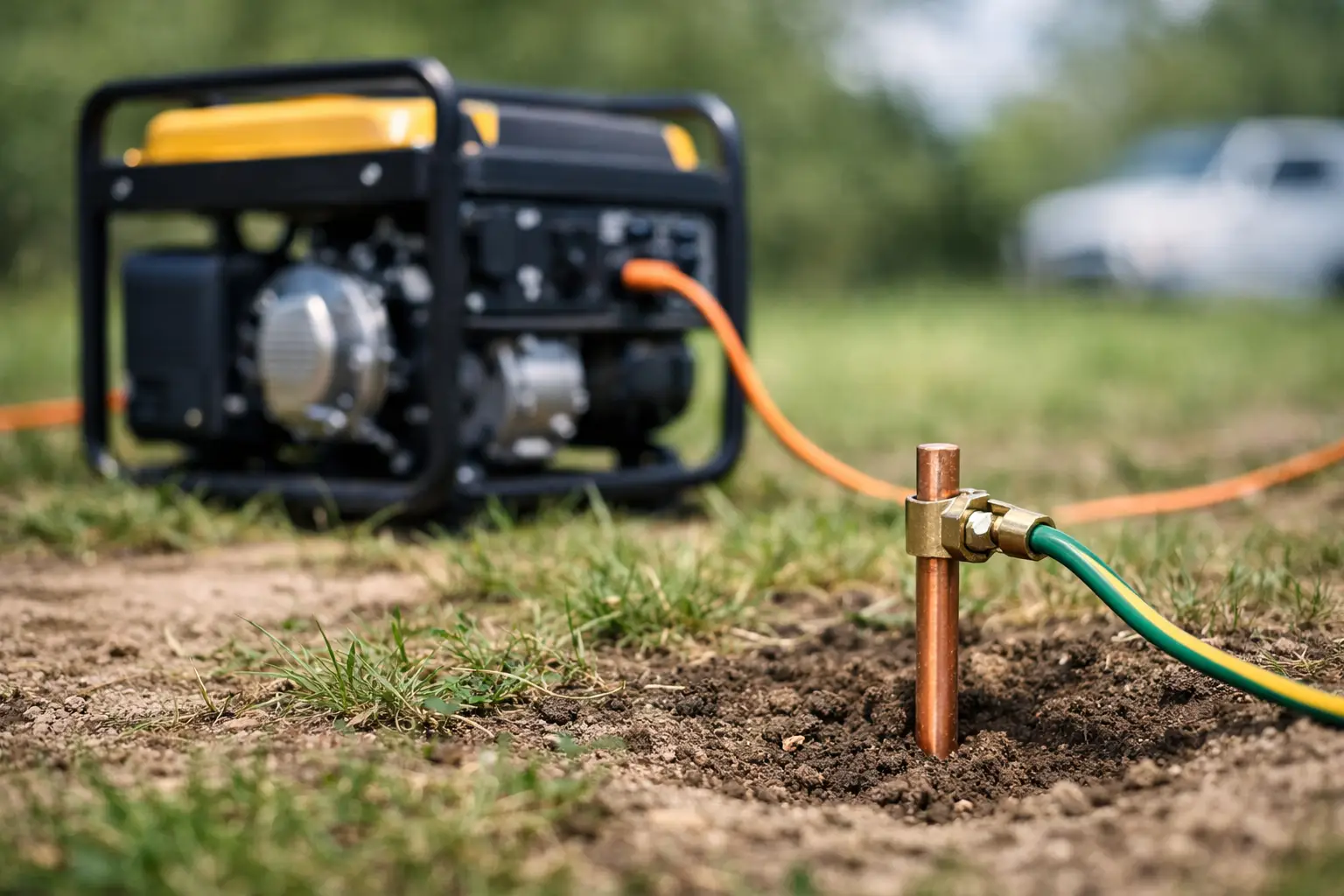
Grounding and neutral-bonding requirements can vary by generator and connection method, so review the generator manual and consult a qualified electrician when connecting to a home electrical system.
Use the Spec Sheet to Match the Job
A small inverter generator may be ideal for charging devices, running a CPAP, and keeping an RV comfortable. A mid-sized 120/240V generator may better support a refrigerator, sump pump, furnace blower, and selected circuits through a transfer switch. For demanding loads such as central air conditioning, electric water heating, or large well pumps, a portable generator may not be the best solution without careful load planning or a larger standby system.
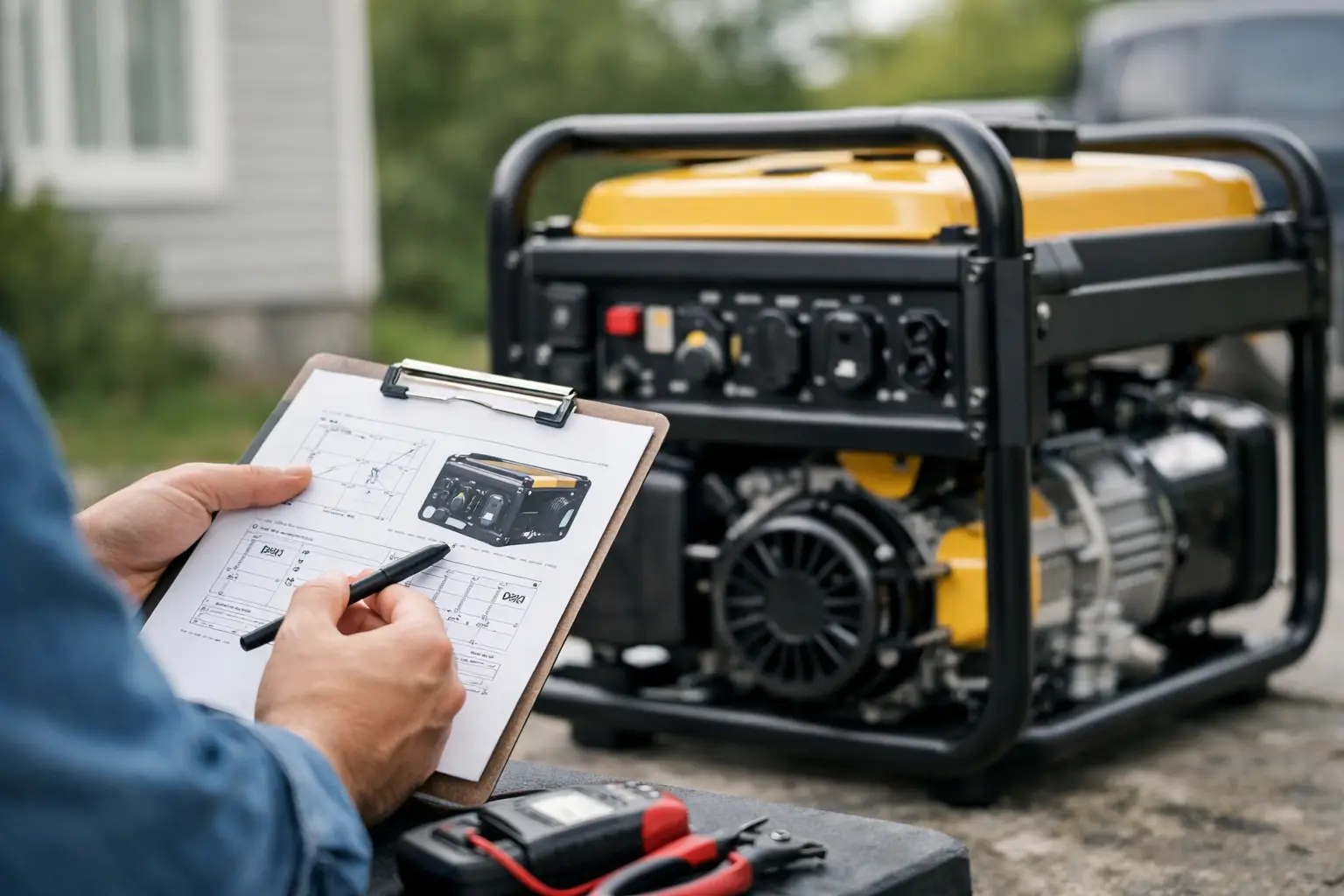
When comparing models, write down your expected loads and read every specification against that list. The best generator is not the one with the biggest peak-watt number. It is the one whose continuous output, surge capacity, outlets, fuel plan, and safety features make your next outage, workday, or trip easier to manage.