As an Amazon Associate I earn from qualifying purchases.
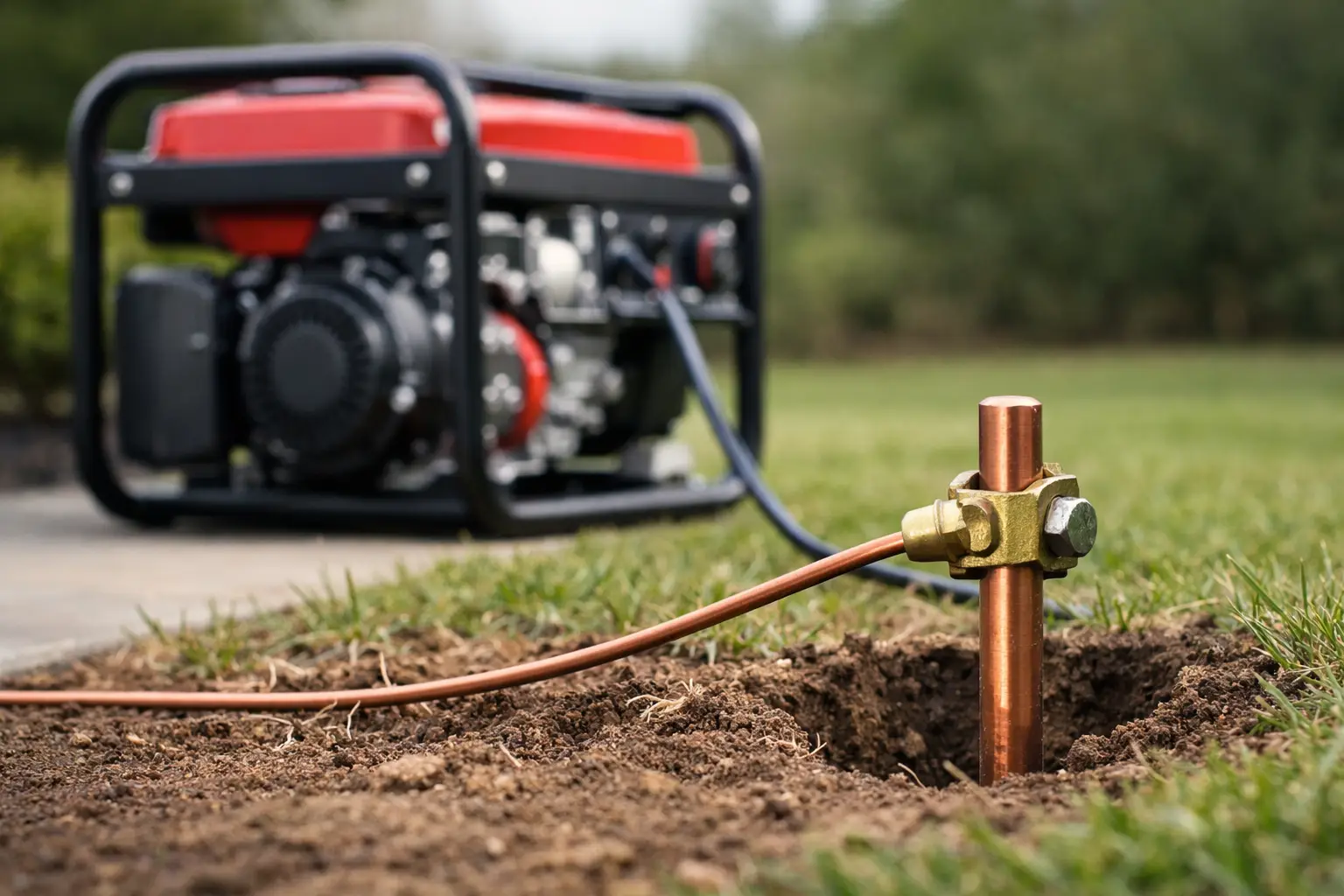
A lot of generator owners ask the same thing right after unboxing a unit or planning a backup power setup: do generators need grounding rods? The honest answer is not always, and that is exactly why this topic causes so much confusion. Some portable generators can be used safely without a grounding rod, while others should be grounded based on how they are installed, what they are powering, and whether the generator is bonded or floating neutral.
If you only remember one thing, make it this: the grounding requirement depends less on the word generator and more on the whole electrical setup. A portable inverter generator powering a few extension cords at a campsite is a very different situation from a standby generator tied into a house through a transfer switch.
Do generators need grounding rods in every setup?
No. Generators do not need grounding rods in every setup.
For many portable generators, especially units used as standalone power sources with appliances plugged directly into the generator receptacles, a grounding rod is often not required. In those cases, the generator frame may serve as the grounding reference if the generator is properly designed and the connected equipment is used as intended.
Where people get tripped up is assuming that all generators follow the same rule. They do not. A home backup installation, a construction site setup, and an RV hookup can each have different grounding and bonding requirements. Local code enforcement, generator design, and the transfer equipment in use all matter.
That is why the owner’s manual should always be part of the decision. Manufacturers usually state whether the unit should be grounded and under what conditions. If the manual conflicts with your intended installation, the installation method needs a closer look before you run the generator.
The key issue is grounding versus bonding
Grounding and bonding are related, but they are not the same thing.
Grounding connects the electrical system to earth. Bonding connects conductive parts together so that fault current has a safe path to travel. When people ask about grounding rods, they are usually focused on earthing the generator, but the more immediate safety question is often whether the generator neutral is bonded to the frame or left floating.
A bonded neutral generator has the neutral connected internally to the frame. A floating neutral generator does not. This matters because the transfer switch, panel configuration, and connected equipment may expect one arrangement or the other.
For example, some portable generators sold for home backup use are bonded neutral models. Others, especially inverter generators popular for RVs and camping, may use a floating neutral design. That difference affects GFCI behavior,
transfer switch compatibility, and whether you may need a
bonding plug in certain specific use cases. It also affects how the system should be grounded overall.
When a grounding rod is usually not required
A grounding rod is often not required when a portable generator is operating as a separately used power source and appliances are plugged directly into it.
That is the common scenario for tailgating, camping, outdoor events, light jobsite work, and temporary emergency use around the home with extension cords. If the generator only powers cord-and-plug connected tools or appliances and is not tied into a building’s electrical wiring, the need for a grounding rod is often reduced or eliminated by the generator’s design.
This is why many owners of portable models from brands like Honda, Champion, Westinghouse, DuroMax, and Generac use their units without driving a rod into the ground every time they set up. It is practical, and in many cases it is acceptable. But practical does not mean universal. You still need to confirm the manual and the intended use.
When a grounding rod may be required
A grounding rod becomes more likely when the generator is connected to a structure, integrated into a transfer system, or used in a more permanent or code-regulated installation.
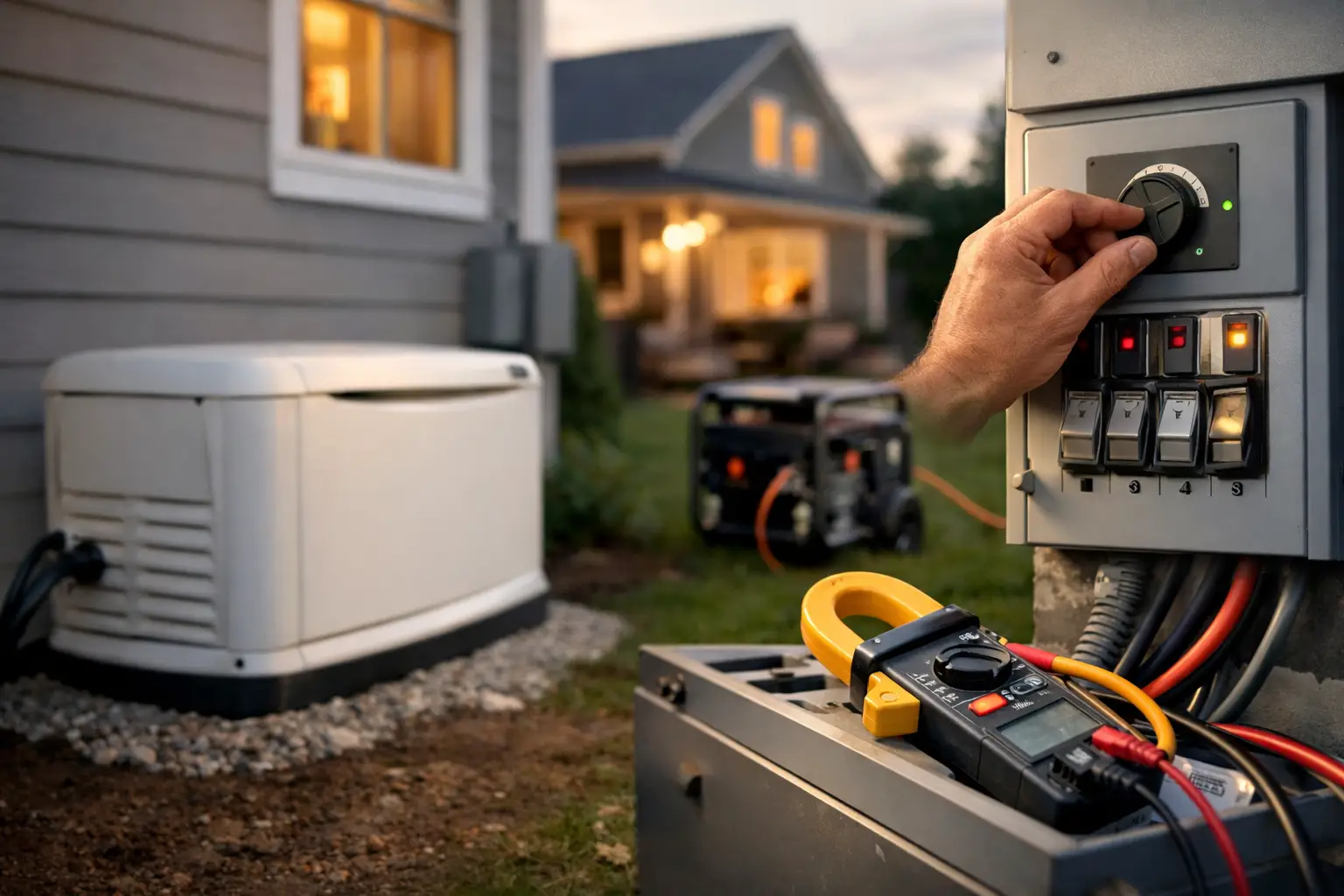
If you are connecting a generator to a home electrical panel through a transfer switch or interlock, the grounding path has to be considered as part of the whole system. In many residential backup systems, the home already has a grounding electrode system, and the generator grounding arrangement must work with that system rather than duplicate it incorrectly.
This is where mistakes happen. Some owners assume adding a grounding rod is always safer. In reality, adding an extra rod without understanding bonding and transfer equipment can create code issues or unexpected fault paths. More grounding is not automatically better grounding.
Standby generators are another category where the installation instructions matter a lot. These units are usually treated as part of a permanent electrical system. In that case, grounding is not a casual add-on. It is part of the design, permitting, and code compliance process.
Home backup setups are where the answer changes
If your generator is meant to back up part of your home, stop thinking about the generator as a standalone machine and start thinking about it as part of a system.
A portable generator feeding a manual transfer switch is different from one feeding extension cords through a window. A standby generator connected to an automatic transfer switch is different again. The switch may switch the neutral or not switch the neutral. That affects whether the generator should be bonded, floating, separately derived, or tied into the existing grounding system in a specific way.
For homeowners shopping for backup power, this matters just as much as wattage and fuel type. A great
dual-fuel portable generator can be the wrong fit if its bonding setup does not match your transfer equipment. The same goes for inverter models that work perfectly for quiet portable use but may need extra planning before home integration.
If you are still in the buying stage, it is smart to compare not just running watts, outlet selection, and noise level, but also whether the generator has a bonded or floating neutral and whether that matches your intended installation.
RV and camping use is a separate case
RV owners run into grounding questions all the time, especially with inverter generators and shore power connections.
In many RV setups, the issue is not whether you need a grounding rod in the dirt next to the campsite. The issue is whether the generator’s neutral-ground relationship matches what the RV electrical system expects. That is why bonding plugs come up so often in RV discussions.
A bonding plug does not replace proper grounding in every context, and it is not something to use casually without understanding why. But in certain RV or portable GFCI-related situations, it can help create the neutral-to-ground bond needed for equipment to function properly. This is one reason educational generator sites often cover both grounding rods and bonding plug compatibility together.
How to know what your generator needs
Start with the generator manual. Then look at how you plan to use the unit.
If you are powering tools, appliances, or devices directly from the generator outlets and not connecting it to building wiring, a grounding rod may not be necessary. If you are connecting the generator to a transfer switch, interlock, subpanel, RV system, or any semi-permanent setup, the answer becomes more technical.
You also need to identify whether the neutral is bonded or floating. Some manuals state this clearly. If not, the manufacturer or product listing may. This is not a minor detail. It affects compatibility with transfer switches, GFCI protection, and overall fault handling.
If your setup involves home wiring, local code, or any uncertainty about neutral switching, this is the point where a licensed electrician is worth it. A grounding mistake may not be obvious until there is a fault, and that is the worst time to find out the system was configured wrong.
Common mistakes to avoid
One common mistake is assuming a grounding rod is always required because someone on a forum said so. Another is assuming it is never required because the generator is portable. Both shortcuts can lead you in the wrong direction.
Another frequent mistake is ignoring the bond configuration. Buyers will spend hours comparing fuel consumption and outlet count, then miss the one electrical detail that determines whether the generator fits their transfer switch or RV setup.
It is also a mistake to improvise grounding hardware. If a rod is required, the conductor size, clamp type, rod length, and installation method matter. This is not the place for leftover scrap wire and guesswork.
The practical buying takeaway
If you are shopping for a generator right now, choose the model based on the job it will actually do. For direct portable use, many common portable and inverter generators can operate without a grounding rod, provided the manual and application support that. For home backup, whole-house standby, or transfer switch use, grounding and bonding should be part of your buying decision from day one.
That approach saves money and frustration. It also helps you avoid buying a generator that seems perfect on the product page but becomes complicated once you try to integrate it with your panel, RV, or jobsite power plan.
At TopGeneratorsOnline, we look at these details because ownership questions do not stop after purchase. The best generator is not just powerful enough. It is also compatible with the way you plan to use it.
If you are unsure whether your generator needs a grounding rod, treat that uncertainty as a signal to check the manual, confirm the neutral configuration, and match the setup to the application before first startup. A few minutes of verification is a lot cheaper than fixing a bad installation later.
CHECK OUT THE BEST GENERATORS GROUNDING RODS AT THE BEST PRICE ON AMAZON 🛒