When the power drops in the middle of a storm, most homeowners stop caring about marketing terms and start caring about one thing – whether the lights, fridge, HVAC, and sump pump stay on. That is why a good whole house generator review should go beyond brand hype and focus on how these systems actually perform when your home needs them most.
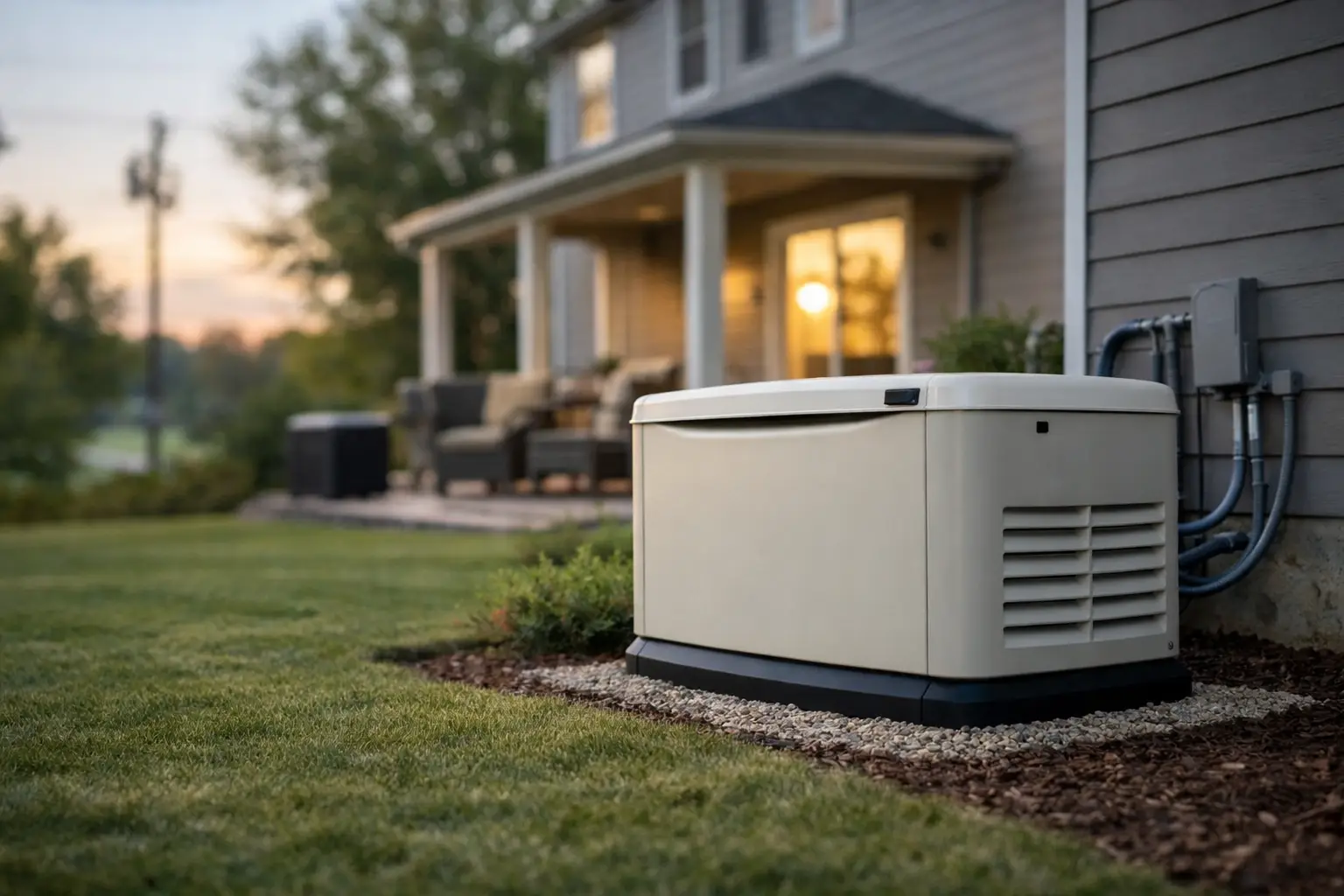
A whole house generator is not the same as a portable unit with a few extension cords running through a window. It is a permanently installed standby system that senses an outage, starts automatically, and powers selected circuits or your entire home through an automatic transfer switch. For buyers comparing models from Generac, Kohler, Briggs & Stratton, or Cummins, the real differences usually come down to sizing accuracy, fuel source, noise, long-term reliability, and service support.
What matters most in a whole house generator review
If you are shopping seriously, start with capacity. Many buyers focus on the biggest number they can afford, but generator sizing is more nuanced than that. A 14kW standby generator may be enough for a modest home running essentials plus one air conditioner, while a larger home with multiple HVAC systems, electric water heating, or a well pump may need 22kW or more.
The risk goes both ways. Undersize the unit, and you will deal with nuisance shutdowns or forced compromises during an outage. Oversize it too much, and you may spend more upfront, use more fuel than necessary, and put less efficient load on the engine. Load management systems can help, but they do not erase a poor sizing decision.
Fuel type is the next major factor. Most whole house generators run on natural gas or liquid propane. Natural gas is convenient because it does not require on-site refueling, which is a major advantage during extended outages. Propane can still be an excellent option, especially in rural areas without natural gas service, but runtime depends on tank size and refill logistics.
Engine quality and enclosure design also deserve attention. A standby generator sits outside year-round, so corrosion resistance, weather protection, and cooling design matter more than they do with occasional-use portable generators. Aluminum enclosures, durable powder-coated steel, and good airflow management tend to hold up better over time than cheaper builds.
Whole house generator review by buying criteria
Reliability and startup performance
The first thing a standby generator must do well is start fast and transfer power cleanly. Most quality models restore power within seconds, but consistency matters more than speed alone. A generator that starts quickly nine times out of ten is not the one you want.
This is where the better-established brands usually justify their premium. Generac has broad market recognition and a large dealer network, which can make service easier. Kohler has a strong reputation for engine performance and solid startup reliability. Cummins is often respected for commercial-grade engineering, though it can come at a higher cost. Briggs & Stratton standby systems can offer good value in the right setup, particularly for homes with moderate power needs.
Noise levels in real use
Noise is often underestimated until installation day. Standby generators are quieter than many portable units, but they are not silent. If your generator will sit close to a bedroom window, patio, or neighbor’s property line, even a modest difference in decibel rating matters.
Manufacturers often advertise quiet operation, but pay attention to enclosure design and engine load. A larger generator running a lighter load may sometimes sound less strained than a smaller generator working near capacity. Placement also changes how noise carries, so site planning is part of the buying decision, not just the installation step.
Fuel efficiency and runtime reality
Fuel consumption rarely gets the same attention as wattage, but it should. A whole house generator running central air, refrigeration, lights, internet equipment, and a few appliances for several days can use a meaningful amount of gas or propane.
Natural gas systems are attractive because the fuel supply can feel practically unlimited during many outages. Still, low gas pressure in rare regional emergencies can affect performance. Propane gives you more independence from utility lines, but you need a realistic plan for tank size. A small propane tank paired with a large 20kW-plus generator may not give the runtime many buyers expect.
Maintenance and ownership costs
A standby generator is not a buy-it-and-forget-it machine. Oil changes, air filters, spark plugs, battery checks, and periodic inspections are part of ownership. Some units make maintenance access easier with better panel layouts and service points. That sounds minor until you are paying for annual service over the life of the system.
Installation cost also matters. The generator itself is only part of the budget. You also need to factor in the transfer switch, gas plumbing, electrical labor, concrete or composite pad preparation, permits, and in some cases load management modules. A lower-priced unit can end up costing more overall if installation complexity is higher.
Best-fit brands for different homeowners
There is no single best standby generator for everyone, but there are clear patterns.
Generac is often the default starting point because it offers broad availability, a wide wattage range, and many residential-focused packages. For homeowners who want lots of size options and relatively easy dealer access, it is a practical brand to consider. The trade-off is that popularity does not always mean it is the quietest or most premium option in every class.
Kohler often appeals to buyers who prioritize strong engine reputation and premium fit and finish. In many whole house generator review comparisons, Kohler scores well on build quality and dependable startup behavior. The downside is usually price.
Cummins tends to attract buyers who want a heavier-duty feel and are willing to pay more for it. It may be a smart fit for larger homes or buyers who simply prefer brands with commercial power heritage. Availability and installer familiarity can vary more by region.
Briggs & Stratton can be a sensible value option for homeowners who want standby convenience without stretching to the top end of the market. It may not be the first brand every shopper thinks of in this category, but it can make sense when matched carefully to the home’s actual load profile.
Installation can make or break the experience
Even the best generator will disappoint if the installation is poorly planned. Proper sizing starts with a real load calculation, not guesswork. That includes startup wattage for motors, HVAC demand, well pumps, medical equipment, and any must-run circuits.
Transfer switch configuration is another big decision. Some homeowners need true whole-home coverage. Others can save money with essential-circuit coverage plus load management for larger appliances. Neither approach is automatically better. It depends on your home, budget, and tolerance for power limitations during an outage.
Placement matters too. Clearance rules, local code requirements, gas line routing, exhaust direction, and service access all affect performance and safety. This is one area where expert guidance from a site like TopGeneratorsOnline is valuable, because product comparison only helps if it connects to real installation constraints.
When a whole house generator is worth it
A standby generator makes the most sense when outages are frequent, prolonged, or genuinely disruptive. If your area deals with hurricane season, ice storms, wildfire-related shutoffs, or an unreliable grid, the convenience of automatic backup power can justify the cost quickly.
It is also worth considering if your home has systems that are expensive to lose. Think sump pumps, refrigerated medication, a home office that cannot go offline, or a well water system. In those cases, a portable generator may work as a temporary backup, but it does not offer the same speed, safety, or ease of use.
If outages are rare and short, a portable inverter or transfer-switch-ready portable generator may be the better value. That is the honest trade-off. Whole house systems are excellent, but they are not cheap, and they are not the right answer for every homeowner.
A smart way to judge any whole house generator review
Look past the headline rating and ask practical questions. Is the generator correctly sized for the home? What fuel source will be most reliable in that location? How good is local dealer and service support? What does maintenance really cost over five to ten years? And can the installation team explain transfer switch options in plain English?
Those answers usually tell you more than brand loyalty ever will. The best whole house generator is the one that starts when it should, carries the loads you actually need, and fits your property and budget without creating new headaches later.
If you are comparing models now, slow down just enough to get the sizing and installation plan right. A generator is most valuable on the worst day of the year, and that is exactly when shortcuts tend to show up.