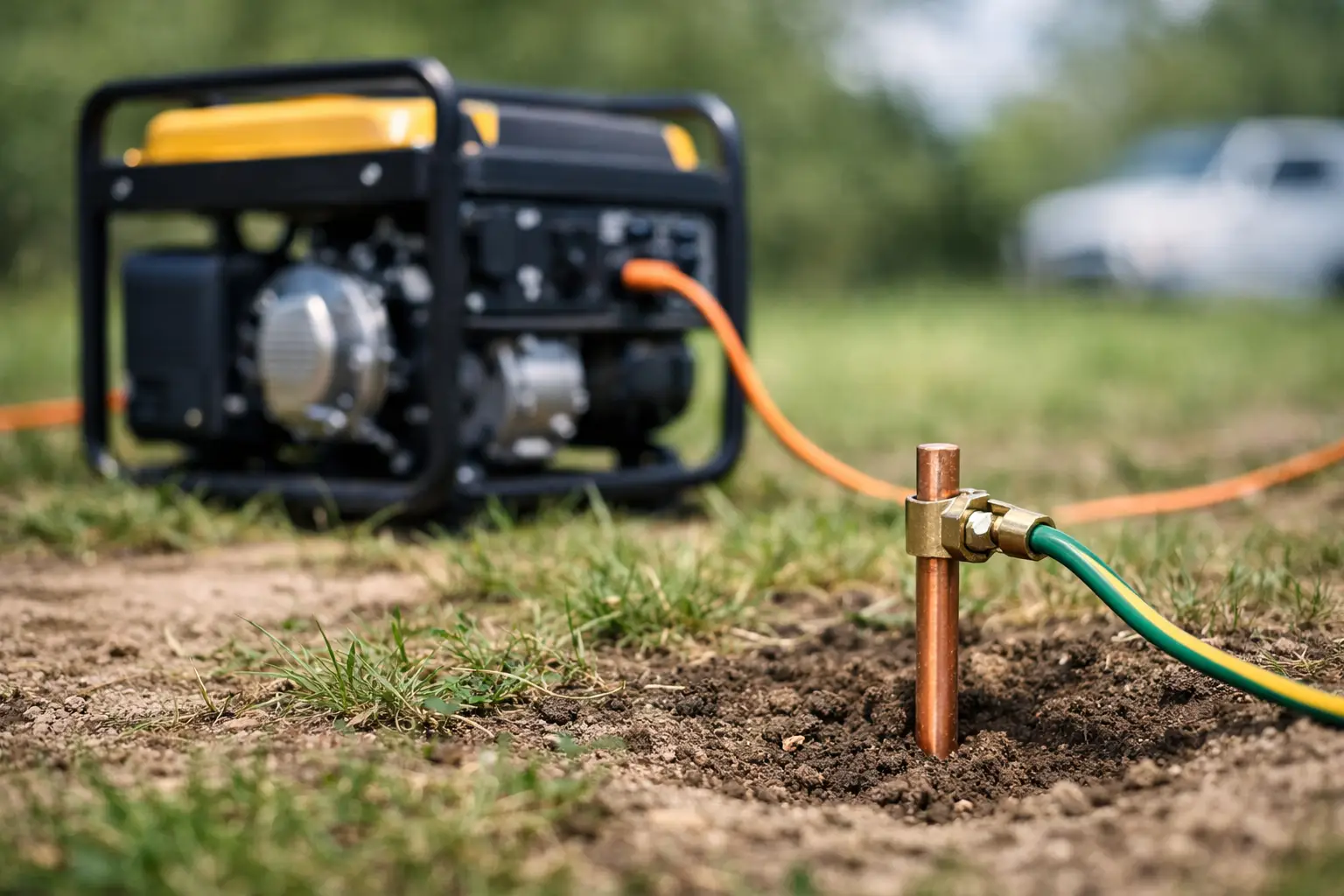
A portable generator can save a freezer full of food, keep a sump pump running, or power tools on a remote jobsite – but only if it is set up safely. One of the most misunderstood parts of setup is how to ground portable generator systems correctly. The tricky part is that not every generator needs a separate grounding rod, and using the wrong method can create confusion instead of safety.
When a portable generator needs grounding
The first thing to know is that grounding depends on how the generator is designed and how you plan to use it. Many modern portable generators are built with a bonded neutral, while others have a floating neutral. That single detail changes whether a separate grounding step is required in a given setup.
If you are plugging appliances directly into the generator’s receptacles, the frame of the generator may already serve as the grounding path, depending on the manufacturer’s design and whether the generator meets the conditions described in the owner’s manual and applicable code guidance. In plain terms, some generators do not require a separate ground rod for standalone use.
If you are connecting the generator to a home through a transfer switch, interlock,
inlet box, or similar setup, grounding gets more technical. In that case, the house electrical system usually already has its own grounding electrode system. The key question becomes how the generator neutral is handled and whether the transfer equipment switches the neutral. That is where many DIY setups go wrong.
Check these details before you do anything
Before you buy a grounding kit or drive a rod into the soil, confirm three things. First, read the generator manual and look for language about bonded neutral, floating neutral, and grounding requirements. Second, decide whether the generator will power items directly or feed a building. Third, if you are connecting to a home electrical system, verify the transfer equipment design.
This matters because a portable inverter generator used for camping is not treated the same way as a large open-frame generator used with a transfer switch during a power outage. A compact unit from Honda, Westinghouse, Champion, or Generac may have very different grounding instructions from another model in the same size class.
If the manual is unclear, that is a good point to contact the manufacturer or ask a licensed electrician. Grounding is one of those areas where guessing is not worth it.
How to ground portable generator with a ground rod
If your generator setup does require a separate grounding electrode, the process is fairly straightforward. You will need a grounding rod, a grounding clamp rated for the rod, copper grounding wire sized appropriately for the setup, and basic tools to secure the connection.
Start by placing the generator on a dry, stable surface outdoors in a well-ventilated area. Never handle grounding in a wet area or while the generator is running. Locate the grounding lug on the generator frame. Most portable models include a marked grounding point, often identified with a grounding symbol.
Drive the grounding rod into the earth near the generator location. The rod is commonly copper-bonded steel and is typically driven deep enough to achieve solid contact with the soil. Local code requirements may affect rod type and depth, so if this is part of a home backup installation, code compliance matters.
Next, attach one end of the copper grounding wire to the rod using the proper clamp. Attach the other end to the generator’s grounding lug and tighten it securely. The connection should be firm, clean, and protected from accidental loosening. Once connected, inspect the wire path so it is not pinched, frayed, or positioned where someone might trip over it.
After the grounding connection is complete, you can start the generator and connect your loads according to the manufacturer’s instructions.
What grounding does and does not do
Grounding helps create a path for fault current and can reduce shock risk under certain fault conditions. It is part of a safe electrical system, but it is not a cure-all. It does not replace correct transfer equipment, overcurrent protection, GFCI protection where required, or safe placement outdoors away from doors and windows.
This is especially important for homeowners who assume that adding a ground rod automatically makes any connection method safe. It does not. Backfeeding a panel through a dryer outlet or other improvised method is dangerous and illegal in many places. Safe generator use always starts with an approved transfer method.
Grounding for home backup setups
Home backup is where the question gets more nuanced. If your portable generator is connected to your house through a transfer switch or interlock, the home’s electrical system already includes grounding and bonding at the service equipment. In many cases, adding a separate rod for the generator is not the right move unless the installation specifically calls for it.
The bigger issue is neutral bonding. A bonded-neutral generator connected to a transfer switch that does not switch the neutral can create parallel neutral-ground paths. That can lead to nuisance tripping, odd voltage behavior, or code violations. A floating-neutral generator may be preferred for some home backup configurations, but that depends on the transfer equipment.
This is why shoppers comparing generators for backup power should look beyond wattage and runtime. Neutral configuration, outlet type, and compatibility with transfer equipment matter just as much. It is one reason sites like TopGeneratorsOnline spend time covering bonding plugs, inlet boxes, and setup accessories instead of only reviewing engine specs.
Grounding for camping, RV, and jobsite use
For recreational or mobile use, separate grounding is often less involved, but not always nonexistent. If you are using the generator as a standalone power source and plugging devices straight into it, follow the generator manual first. Some inverter generators are designed so no external grounding rod is needed in normal portable use.
RVers run into a related issue with EMS units and surge protectors. Some RV electrical protection devices expect a bonded neutral and may show an open ground or open neutral warning when used with certain generators. That is where a bonding plug may come into the picture, but only if it is appropriate for the generator and RV setup. A bonding plug is not a substitute for proper grounding, and using one incorrectly can create its own problems.
On jobsites, safety requirements may be stricter, especially when power tools are used in changing conditions. OSHA-related practices, GFCI use, and site rules can affect what is required. If the generator is powering cord-and-plug equipment directly, the applicable rules may differ from a generator feeding temporary wiring systems.
Common mistakes to avoid
The most common mistake is assuming every portable generator needs a ground rod. The second is assuming none of them do. Both can be wrong depending on the generator and the application.
Another common issue is using cheap or undersized wire and loose clamps. Grounding only works when the connection is solid. Rusted hardware, painted contact surfaces, and half-tightened lugs can defeat the purpose.
People also confuse grounding with neutral bonding. They are related, but they are not the same thing. Grounding connects equipment or systems to earth or a grounding path. Bonding connects metal parts and conductors so they stay at the same electrical potential and fault current has an effective path.
Finally, do not modify your generator’s neutral bond unless you fully understand the implications. Some owners remove a neutral bond to make a generator work with a particular transfer setup, but that change can affect warranty, code compliance, and safety.
What to buy if you need a grounding setup
If your use case requires grounding, buy components that match the generator and intended installation. A proper grounding rod, UL-listed clamp, and correctly sized copper wire are the basics. For
home backup systems, it also makes sense to think in terms of a complete setup: the right transfer switch or interlock kit, power inlet box,
heavy-duty generator cord, and weather-appropriate storage for accessories.
If you are still shopping for a generator, pay attention to whether the model has a bonded or floating neutral, whether it includes a clearly marked grounding lug, and whether the manual gives specific setup guidance. Those details can save a lot of frustration later.
The safest answer is often the least improvised one
If you are learning how to ground portable generator setups for the first time, the safest move is to match the grounding method to the exact way the generator will be used, not to a generic tip from a forum or video. Portable power is extremely useful, but the setup details matter more than many buyers expect. A few extra minutes spent checking the manual, confirming the neutral configuration, and using the right accessories can make the whole system safer and a lot easier to trust when you need it most.