When shoppers get stuck on generator specs, fuel type is usually the reason. If you’re trying to figure out how to choose generator fuel type, the right answer depends less on brand loyalty and more on where you use the generator, how often you run it, and what kind of trade-offs you can live with.
A homeowner planning for storm outages has very different priorities than an RVer, camper, or contractor. One person cares most about long-term fuel storage. Another cares about easy refueling on the road. Someone else just wants the lowest operating cost for frequent use. That is why fuel choice should come before you get attached to a specific model.
How to Choose Generator Fuel Type for Real-World Use
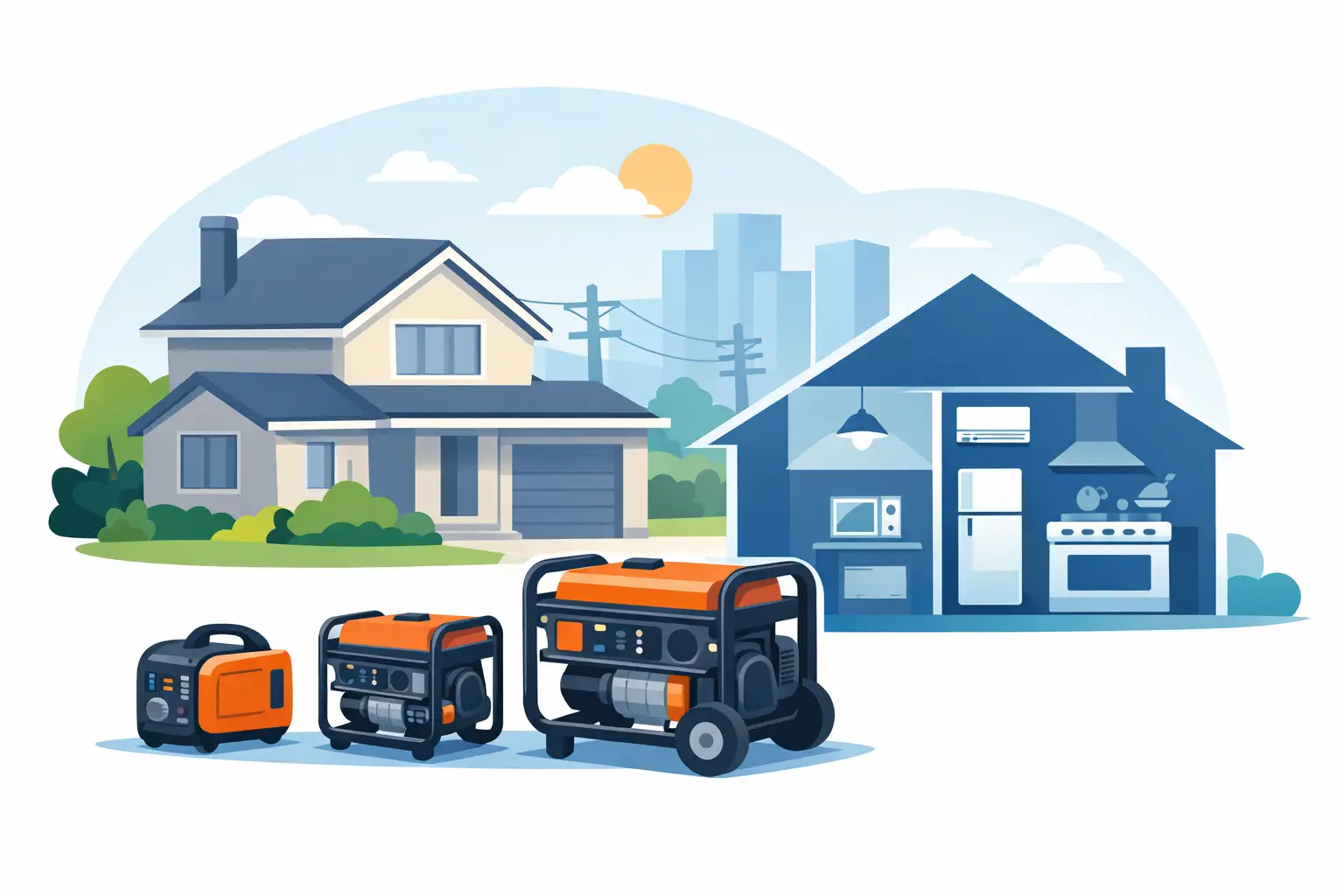
Start with the job the generator needs to do. Fuel type affects runtime, storage, maintenance, cold-weather behavior, portability, noise expectations, and even how easy the unit is to live with during an extended outage.
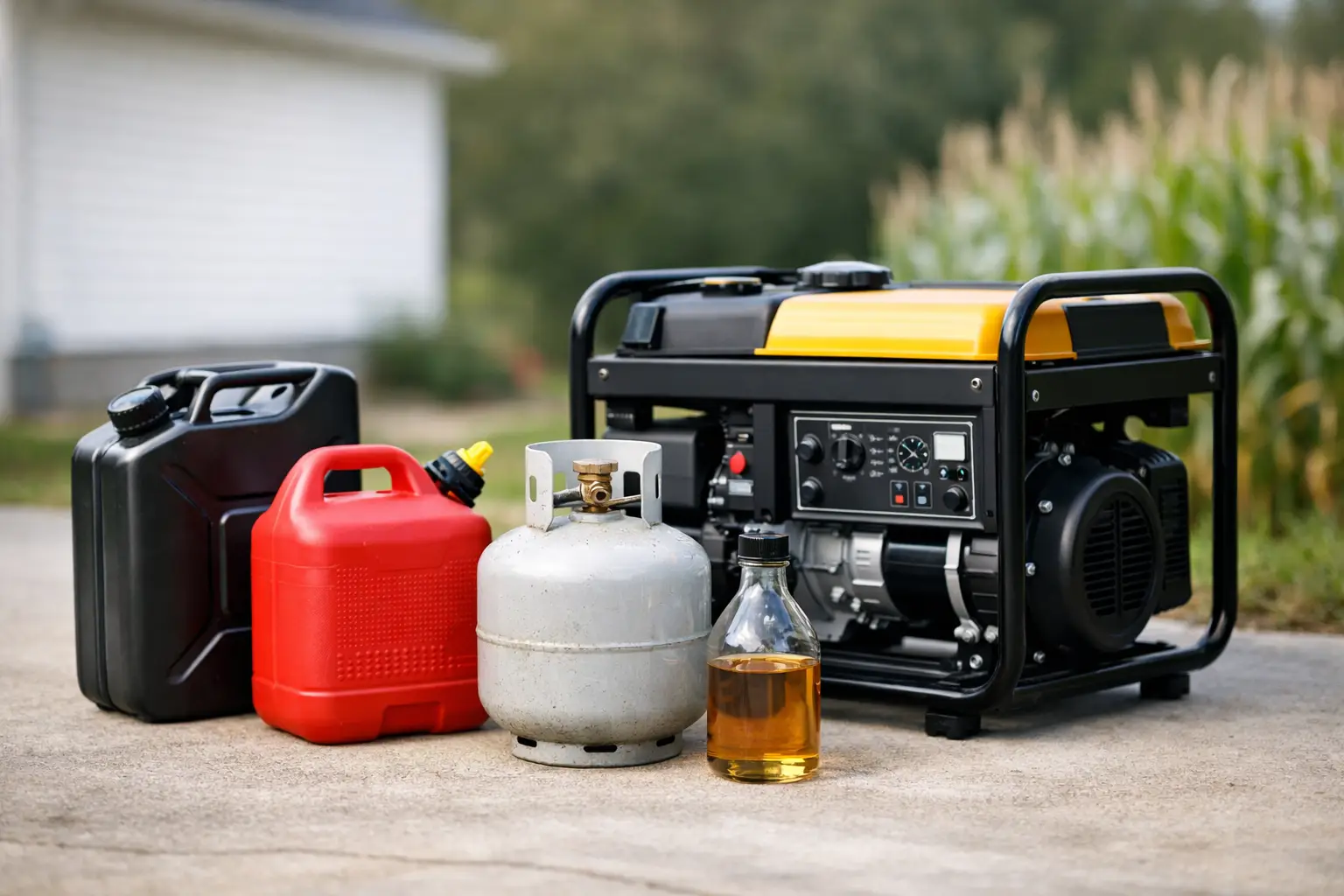
If you only need occasional backup power for a refrigerator, sump pump, a few lights, and device charging, gasoline often looks attractive because generator choices are plentiful and upfront pricing is usually lower. If you want cleaner storage and easier shelf life management, propane becomes more appealing. If you need a workhorse for heavier loads or frequent operation, diesel may make more sense. If flexibility matters most, a dual fuel or tri-fuel generator can solve several problems at once.
That is the broad view. The better choice comes from matching fuel to use case.
Gasoline Generators: Easy to Find, Easy to Buy
Gasoline is still the default option for many portable generators, especially inverter generators and mid-size home backup units. It is easy to find, easy to understand, and supported by a huge range of products.
For many buyers, that convenience matters. If you are shopping for a portable unit for storm prep or occasional outdoor use, gasoline models often give you the widest selection at the best entry price. Many popular inverter generators for tailgating, camping, and home emergency use are gas-powered because the format stays compact and familiar.
The downside is storage. Gasoline does not age well compared with propane, and that becomes a problem if your generator sits for months between uses. You can manage that with
fuel stabilizer and a disciplined maintenance routine, but it adds another task. Gasoline is also less pleasant to store around the house than sealed propane cylinders, and during regional outages, gas station access can become unreliable.
Gas works best for buyers who want low upfront cost, broad model availability, and straightforward refueling. It works less well for people who want a set-it-and-forget-it fuel supply.
Best fit for gasoline
Gasoline usually makes sense for portable home backup, recreational use, and buyers who plan to run the generator occasionally rather than every week. If you are comparing compact inverter generators from brands that dominate the consumer market, gas is often the starting point.
Propane Generators: Cleaner Storage, Lower Fuel Hassle
Propane solves one of the biggest pain points in generator ownership: fuel storage. It does not gum up carburetors the way stale gasoline can, and stored propane keeps far longer without the same shelf-life concerns.
That makes propane especially attractive for emergency preparedness. A homeowner who wants a generator ready for hurricane season or winter storms may prefer keeping a few properly stored propane tanks rather than rotating gasoline cans. The same logic applies to RV users who may already carry propane for appliances.
There are trade-offs. Propane usually delivers slightly less power output than gasoline on a dual fuel generator, and runtime can vary based on tank size and load. Refueling can also be less convenient if you do not already have a larger tank setup. For smaller portable generators, standard 20-pound cylinders are easy to use but may require more frequent tank changes during long outages.
Still, propane stands out for low-maintenance fuel storage and easier preparedness planning. If your main concern is reliable standby readiness, it deserves a hard look.
Best fit for propane
Propane is a strong option for homeowners focused on emergency backup, RV owners who already use propane systems, and buyers who want to reduce fuel-related maintenance headaches.
Diesel Generators: Built for Heavy Use
Diesel generators are less common in casual consumer shopping, but they have a strong place in the market. They are often chosen for durability, fuel efficiency under load, and long operating life, especially in commercial or jobsite settings.
If you need a generator for frequent operation or heavier-duty applications, diesel deserves attention. These units are often built to handle extended run times better than many light-duty portable gas models. For some buyers, especially those supporting tools, equipment, or off-grid systems, that matters more than convenience-store fuel access.
The trade-offs are real. Diesel generators are often heavier, louder, and more expensive upfront. In the consumer space, they may also offer fewer options than gas or dual fuel models. Cold-weather performance can require more planning, and diesel ownership can feel like overkill if your generator only comes out twice a year.
Best fit for diesel
Diesel is usually best for buyers who need frequent-use reliability, higher durability, or more serious power support for work applications, larger loads, or long-run scenarios.
Dual Fuel and Tri-Fuel Generators: Flexibility Has Value
For many shoppers, the easiest answer to how to choose generator fuel type is not choosing just one. Dual fuel generators, which typically run on gasoline and propane, are popular because they reduce fuel risk without forcing you into a permanent compromise.
That flexibility matters during emergencies. You might prefer propane for storage and maintenance, but keep gasoline as a backup if your propane supply runs low. It also helps buyers who are still learning what ownership looks like. You do not have to lock yourself into one fuel strategy from day one.
Tri-fuel models add natural gas to the mix, which can be a major advantage for home backup if your property already has a natural gas connection. During outages, a tri-fuel generator connected properly to a home fuel source can simplify long-duration operation. But these units are more specialized, and setup requirements are more involved.
Dual fuel and tri-fuel units often cost more than single-fuel models, but the added flexibility can be worth it if preparedness is the goal.
What Matters Most When Comparing Fuel Types
Fuel availability should be near the top of your list. The best generator fuel on paper is not the best fuel if you cannot reliably get it when needed. Think about what is actually accessible where you live and how realistic your refueling plan is during a multi-day outage.
Runtime and efficiency matter next, but they should be looked at honestly. A highly efficient generator is not automatically the best choice if the fuel creates storage headaches or maintenance issues you are unlikely to manage well. In real buying decisions, convenience often wins because it affects whether the generator is truly ready when needed.
Maintenance is another major factor. Gasoline generators often require more attention around fuel aging and carburetor cleanliness. Propane generally reduces that hassle. Diesel can be excellent for long-term durability, but the units themselves may be more demanding in cost, weight, and setup.
Noise and portability can also influence fuel choice. Many of the quietest portable inverter generators are gasoline-powered. If quiet camping use is your goal, that may narrow the field quickly. If home backup is the priority, noise still matters, but fuel storage and runtime may matter more.
Matching Fuel Type to Common Buying Scenarios
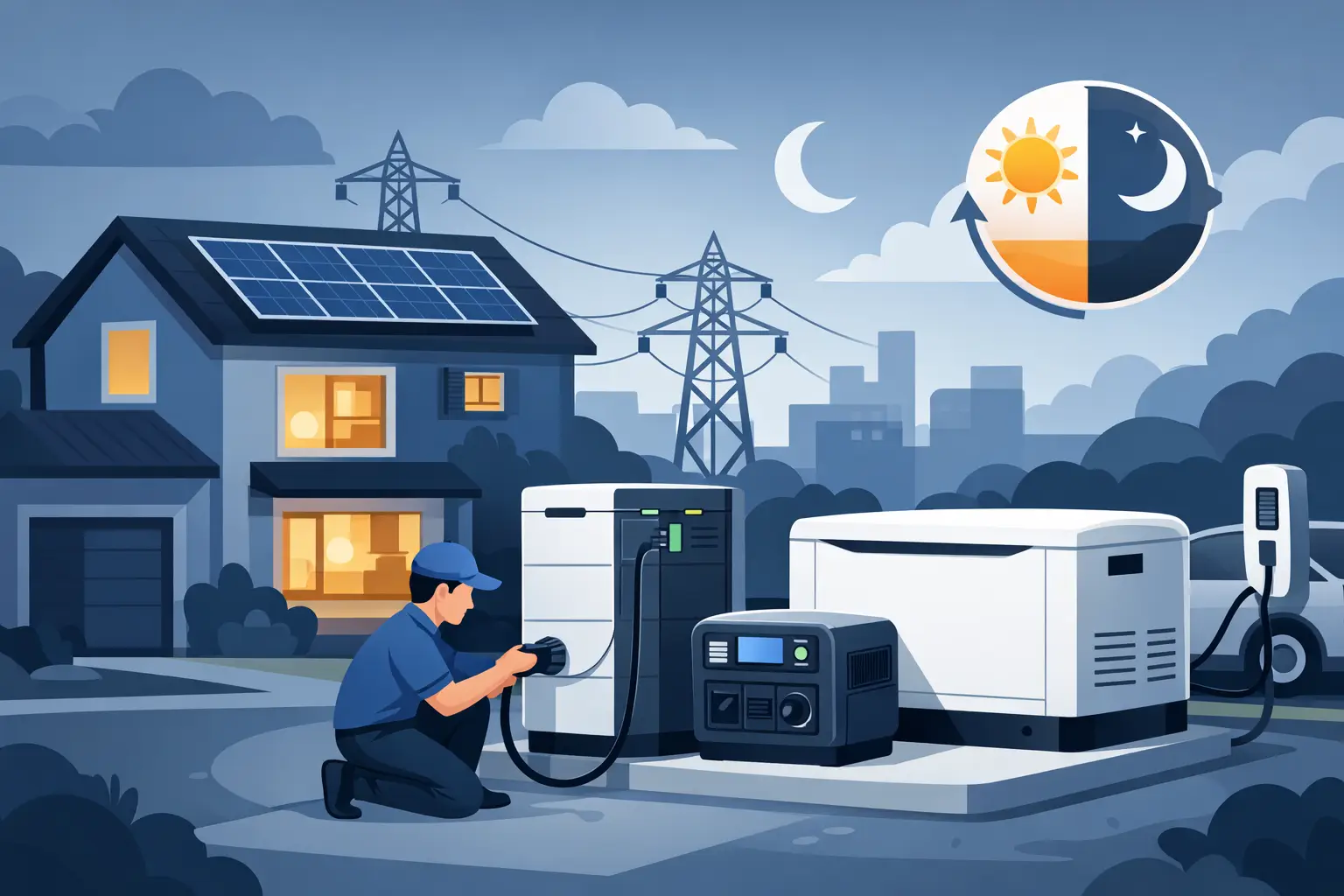
For home backup, propane, dual fuel, and tri-fuel often rise to the top because preparedness is really about fuel access over time. A gasoline-only model can still work well, but you need a realistic storage and rotation plan.
For camping and tailgating, gasoline inverter generators are often the most practical because they are widely available, compact, and easy to transport. Propane can also work well if clean storage is a priority, but model selection may be narrower depending on size and noise goals.
For RV use, propane and
dual fuel deserve extra attention. Many RV owners already understand propane handling, and the ability to switch fuels can make travel more flexible.
For jobsites or frequent heavy use, diesel and larger gas units tend to make the most sense, depending on how mobile the setup needs to be and how many hours the generator will run.
At TopGeneratorsOnline, we generally find that buyers are happiest when they choose based on ownership reality, not just spec-sheet appeal. The best fuel type is the one that still works for you after the purchase, when you are storing fuel, maintaining the unit, and relying on it under pressure.
The Smart Way to Decide
If you want the simplest path, ask yourself three questions. How often will I use this generator? How will I store fuel safely and realistically? What happens if my first-choice fuel is hard to get during an outage or while traveling?
Those answers usually point in the right direction fast. Occasional use often favors gasoline or propane. Emergency readiness often favors propane, dual fuel, or tri-fuel. Frequent heavy-duty use may push you toward diesel.
A generator is only as dependable as the fuel plan behind it. Choose the fuel type that fits your routine, your storage setup, and the kind of problems you actually need the generator to solve.
CHECK OUT THE BEST FUEL FOR GENERATORS AT THE BEST PRICE ON AMAZON 🛒