A miter saw that stalls on startup or a compressor that keeps tripping the generator can waste more time than a dead battery ever will. Finding the best generator for jobsite tools is not just about buying the biggest unit you can afford. It is about matching power, portability, runtime, and durability to the way you actually work.
On a jobsite, bad generator sizing shows up fast. Motors pull a surge of power at startup, extension runs add stress, and weather, dust, and constant movement expose weak equipment quickly. A generator that looks fine on paper can become a problem if it cannot handle tool startup loads, lacks the right outlets, or burns through fuel halfway through the day.
What makes the best generator for jobsite tools?
The right choice starts with one question: what tools are you powering at the same time? A circular saw used by itself asks for something very different than a setup running a table saw, shop vac, battery chargers, and task lighting together.
For most small to mid-size jobsites, the sweet spot is usually a portable generator in the 3,500 to 7,500 running watt range. That is enough for many common corded tools while still being transportable by one or two people. Once you move into heavier framing, larger compressors, or multiple workers sharing power, you may need more output and more outlets.
The best generator for jobsite tools should do four things well. It should handle startup watts without constant overload trips, provide clean and stable output for modern electronics and chargers, run long enough to get through meaningful work periods, and hold up to rough handling. Everything else is secondary.
Start with wattage, not marketing
Generator shopping gets confusing because the box often highlights peak wattage. That number matters, but running wattage is what keeps your tools operating continuously. Peak or starting watts only describe the short burst available to start motors.
That distinction matters a lot on jobsites because many tools use electric motors. A 15-amp table saw, air compressor, or wet saw may need a significant surge the moment it starts. If your generator is sized too close to the tool’s running demand, startup can trip the breaker even when the rated output seems adequate.
A practical way to estimate your needs is to total the running wattage of the tools and accessories you expect to use together, then leave extra headroom for startup surge. If your expected steady load is around 3,000 watts, shopping for a generator with only 3,200 running watts is usually too tight. A little margin improves reliability and keeps the generator from operating at full strain all day.
As a general guide, battery chargers, lights, and small hand tools are modest loads. Larger saws, compressors, and wet-cutting equipment are the tools that usually force you into a higher-output generator. If your setup includes one tool with a heavy motor and a few lighter supporting loads, size the generator around the toughest startup event, not the easiest one.
Inverter vs conventional generators on a jobsite
This is where trade-offs matter. Inverter generators are quieter, more fuel-efficient at partial loads, and usually provide cleaner power. That cleaner output can be helpful for battery chargers, laser levels, and other sensitive electronics commonly used on modern jobsites.
Conventional portable generators often provide more wattage per dollar and may be the better fit if your top priority is raw output for heavier tools. They are commonly louder and less refined, but many contractors still prefer them because they are straightforward and capable.
If you mainly run chargers, lights, smaller saws, and finish tools in occupied neighborhoods or indoor remodel environments, an inverter generator makes a strong case. If you are on open lots, framing sites, or remote work areas where noise matters less and demand is higher, a conventional model may give you better value.
There is no single winner here. The better choice depends on whether your work leans toward noise-sensitive precision tasks or higher-draw tool loads.
Fuel type affects more than convenience
Gasoline remains the most common choice for portable jobsite generators because the units are widely available and easy to refuel. For many buyers, that alone makes gas the simplest answer.
Dual-fuel models add flexibility by allowing operation on propane as well. That can be useful for preparedness, cleaner storage, or situations where one fuel source is easier to keep on hand. The trade-off is that propane usually reduces total power output compared with gasoline, which matters if your sizing is already close.
Diesel matters more on larger commercial equipment than in the average consumer portable category, but it can be attractive for certain heavy-duty users because of durability and efficiency. For most homeowners, DIY users, and small crews, gasoline or dual-fuel models are the realistic choices.
Think about your actual routine. If you need fast refueling and maximum output, gas is often the best fit. If long-term storage and fuel flexibility matter more, dual fuel deserves a close look.
Runtime, tank size, and real work conditions
Published runtime figures can be helpful, but they need context. Most manufacturers quote runtime at 25 percent or 50 percent load. On a real jobsite, loads rise and fall constantly, so your actual runtime may be shorter than the headline number.
That means a generator with a large tank and strong runtime at moderate load is usually more useful than a lightly loaded lab number that sounds impressive. If your workday involves intermittent saw use, charging, and task lighting, runtime may be excellent. If you are asking the generator to support a compressor or higher continuous draw, expect more fuel use.
For many users, the practical target is a generator that can cover at least half a workday without interruption and preferably much longer under normal rotating loads. Fewer refueling stops mean better productivity and less hassle.
Outlet selection is easy to overlook
A generator can have enough wattage and still be inconvenient if the outlet layout does not fit your tools. Standard 120V household-style outlets are essential for most jobsite tools, but quantity matters. If you are using multiple tools, chargers, and lights, having only two usable outlets becomes limiting fast.
Some higher-capacity generators also include a 120/240V outlet, which can be useful for specific equipment or jobsite flexibility. Even if you do not need 240V today, that outlet can make the generator more versatile over time.
Pay attention to circuit protection and outlet placement too. Weather-resistant covers, GFCI protection where appropriate, and solid receptacle quality all matter when the unit is used in dusty, damp, or rough environments.
Portability and durability usually matter together
A generator that never leaves the truck is not helping anyone. Wheel kits, handle design, overall weight, and frame construction all affect whether the unit is practical to move across gravel, driveways, or unfinished lots.
Open-frame generators often feel more jobsite-ready because they are built for tougher handling and easier lifting points, but they are typically louder. Closed-frame inverter models are quieter and cleaner-looking, though they may be less convenient to move in certain conditions if wheel and handle design is poor.
Durability is not just about the frame. Look at the fuel tank construction, recoil quality, panel protection, and overall fit and finish. On jobsites, vibration, dust, and repeated transport expose shortcuts quickly.
Features that are worth paying for
Electric start can be a real quality-of-life upgrade, especially on larger generators. So can a fuel gauge, low-oil shutdown, and clear hour meter access for maintenance tracking. These are not flashy extras. They directly affect ownership experience.
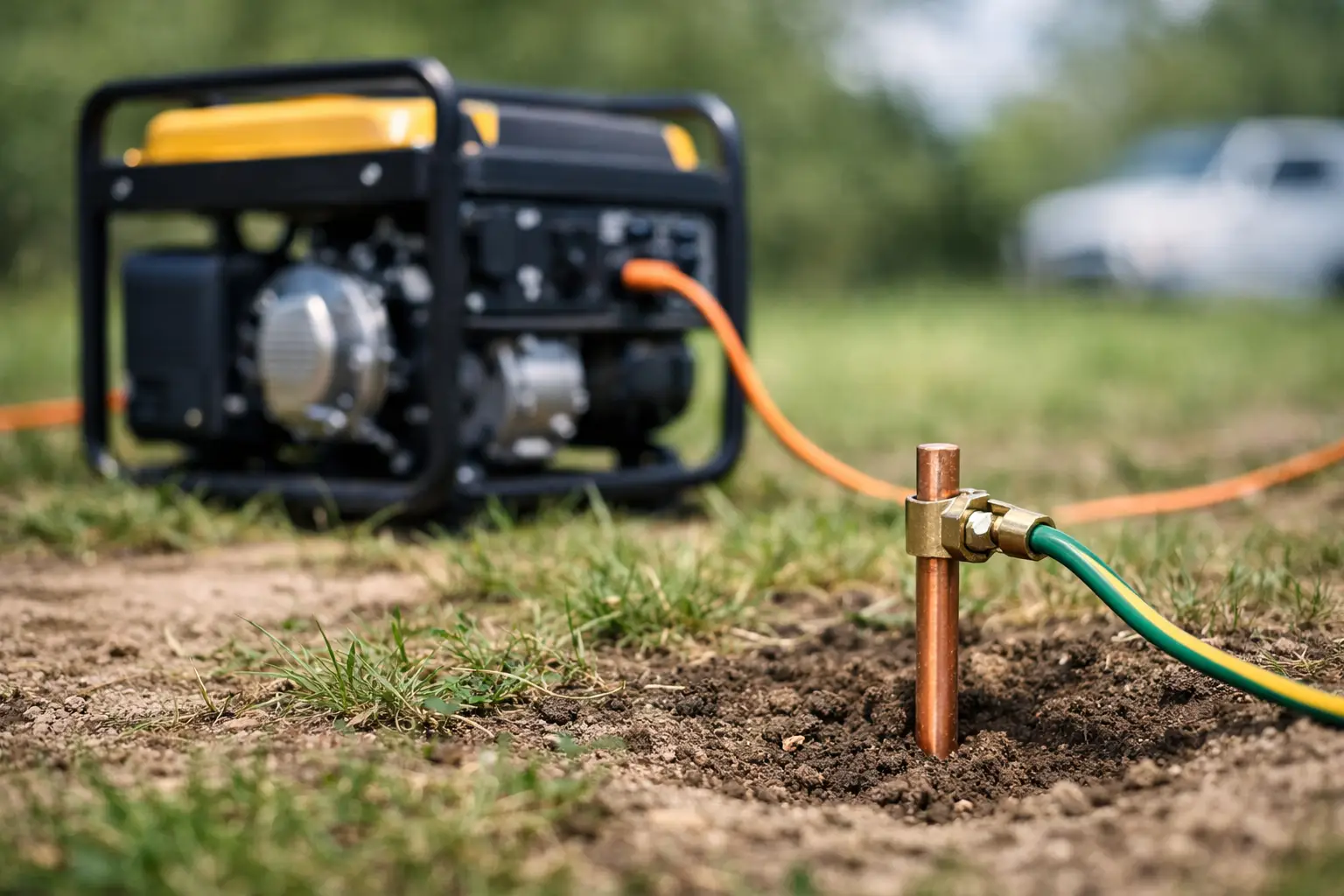
CO shutoff systems are also worth attention. They are a meaningful safety feature, but they do not replace proper outdoor use and ventilation. No portable generator should ever be used indoors, in garages, or near openings where exhaust can enter occupied spaces.
Parallel capability is useful in some inverter models, especially if you want portable power now with the option to expand later. For some buyers, that is smarter than jumping immediately to one heavier unit. For others, managing two machines is less convenient than owning one properly sized generator from the start.
How to choose the right size for your work
If your tool use is light and occasional, such as chargers, lighting, and one saw at a time, a compact inverter generator may be enough. If you regularly run a larger saw, vacuum, and support loads together, mid-range portable output makes more sense. If multiple users share the generator or a compressor is part of the daily setup, size up sooner rather than later.
What you want to avoid is buying at the edge of your needs. Generators tend to perform better and last longer when they are not constantly pushed to their limit. A little extra capacity usually buys smoother starts, less stress, and more flexibility when your tool lineup changes.
For shoppers comparing options, TopGeneratorsOnline would approach this as a workload decision, not a brand-logo decision. The best unit is the one that fits your actual startup demand, outlet needs, transport reality, and workday length.
A good jobsite generator should feel boring in the best possible way. It starts when you need it, carries your tools without drama, and stays out of the way while the real work gets done. If you size for real loads instead of hopeful estimates, you will make a much better buy.