As an Amazon Associate I earn from qualifying purchases.
A generator that looks great on paper can still be the wrong fit once you factor in noise, fuel storage, and what you actually plan to power. That is why the dual fuel vs inverter generator question matters so much. These are not two versions of the same machine. They solve different problems, and understanding that difference can save you from buying a generator that feels frustrating the first time the power goes out.
For many buyers, the confusion starts because both categories sound premium. Dual fuel suggests flexibility. Inverter suggests cleaner, smarter power. Both can be true, but they point to different priorities. One is mainly about what fuel you can use. The other is mainly about how the generator produces electricity.
Dual fuel vs inverter generator: the real difference
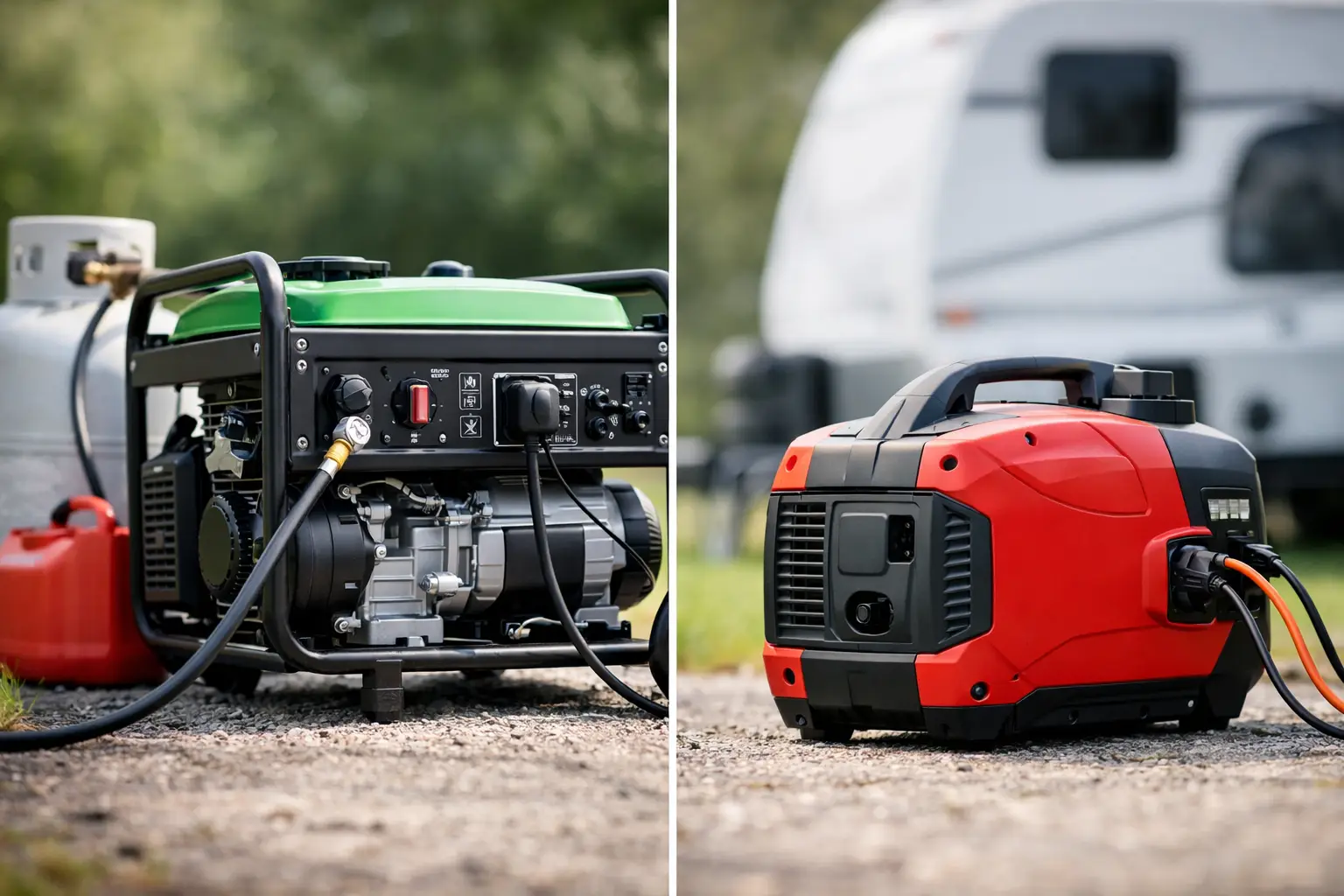
A dual fuel generator can run on two fuel types, usually gasoline and propane. That gives you options during emergencies, long outages, or travel. If gasoline is hard to get, propane may keep you going. If you already store propane for a grill or RV, that can be a major advantage.
An inverter generator uses inverter technology to produce stable electricity with low total harmonic distortion. In plain language, it delivers cleaner power that is safer for sensitive electronics like laptops, TVs, battery chargers, and many modern appliances with control boards.
Here is the key point: these are not always opposing categories. A generator can be dual fuel, inverter, both, or neither. But when shoppers compare dual fuel vs inverter generator models, they are usually deciding which benefit matters more – fuel flexibility or cleaner, quieter operation.
When a dual fuel generator makes more sense
If your main concern is backup readiness, dual fuel often has the edge. Propane stores longer than gasoline, burns cleaner, and does not gum up the carburetor the same way old gasoline can. For homeowners who want a machine ready for storm season, that matters.
Dual fuel units are also attractive when runtime flexibility is part of the plan. Gasoline usually gives stronger peak output, while propane offers cleaner storage and easier handling. That trade-off works well for people who want options instead of relying on one fuel source.
This category is especially practical for whole-home backup on a budget, larger emergency loads, and situations where portability matters less than endurance. Many open-frame dual fuel models offer solid wattage for refrigerators, freezers, sump pumps, microwaves, and a few lights or circuits. If you are looking at larger portable generators from brands like DuroMax, Champion, or Westinghouse, dual fuel is a common feature because it fits the backup power use case so well.
The downside is that many dual fuel generators are conventional units, not inverter models. That usually means more noise, heavier fuel consumption at lighter loads, and less refined power output. Some can still run electronics, but they are generally not the first choice for sensitive devices unless the manufacturer clearly states low THD.
When an inverter generator is the better buy
If you camp, tailgate, work out of a truck, or need power near people, inverter generators tend to feel easier to live with. They are usually quieter, more compact, and more fuel efficient at partial loads. That matters in real-world use, because most generators spend a lot of time running well below maximum output.
An inverter generator adjusts engine speed based on demand instead of constantly running at full speed. That is one reason it is often quieter and more economical. It is also why many people prefer inverter models for RV use, overnight operation, or powering tools and chargers without the constant roar of a larger open-frame unit.
Power quality is another major advantage. If you need to protect laptops, phones, CPAP machines, routers, gaming systems, or modern appliances, inverter technology is the safer bet. Honda, Yamaha, Generac, and Champion all offer inverter models aimed at buyers who care about clean output and low noise.
The catch is capacity. Many inverter generators, especially the most portable ones, do not offer the same wattage as larger conventional dual fuel units. You can parallel some models to combine output, but that adds cost and complexity. If your goal is to start a central AC system or run multiple heavy household loads at once, a small inverter generator may simply not be enough.
Noise, fuel cost, and runtime
This is where buying decisions get more personal.
If noise matters a lot, inverter generators usually win. That is true at campgrounds, on job sites near houses, and during outages when you do not want the generator dominating the backyard. Open-frame dual fuel generators can be significantly louder, especially under load.
If fuel storage and emergency planning matter more, dual fuel gets the advantage. Propane cylinders are easy to store and rotate, and they remove some of the mess and maintenance headache tied to gasoline. For occasional-use backup power, that convenience is hard to ignore.
Runtime depends on the model and the load, so broad claims can be misleading. A large dual fuel generator may run for many hours on a full gas tank, but an inverter generator may use less fuel overall when powering lighter loads. Propane often reduces wattage slightly compared with gasoline, so a dual fuel generator may deliver less output on propane than on gas. That is normal, but it matters if you are close to the unit’s limits.
Which type is better for home backup?
For basic home backup, dual fuel is often the more practical starting point. If you need to run essential circuits, appliances, or a transfer switch setup, a higher-output dual fuel generator may deliver more value per dollar. It also gives you fuel options during bad weather or supply disruptions.
But that does not automatically make it the better home choice. If your backup plan focuses on a few essentials like a refrigerator, internet, lights, phone charging, and a portable AC, an inverter generator may be the better long-term ownership experience. It is easier on fuel, less disruptive to neighbors, and safer for sensitive electronics.
There is also a middle ground. Some dual fuel inverter generators combine both benefits. These models cost more, but they appeal to buyers who want propane capability without giving up clean power and quieter performance. For many households, that is the sweet spot if the budget allows.
Dual fuel vs inverter generator for RV, camping, and travel
For RV use, inverter generators are often the first place to look because noise and power quality matter so much in campgrounds. If you are running chargers, electronics, and possibly an air conditioner with a soft starter or adequate surge capacity, a quality inverter model usually makes more sense than a loud conventional unit.
That said, a dual fuel setup can still be very appealing for RV owners. Propane is already part of the travel routine for many campers, so using the same fuel source for the generator can simplify storage and refueling. A dual fuel inverter generator is often ideal here because it balances campground-friendly noise levels with fuel flexibility.
For tent camping, tailgating, and mobile recreation, portability usually breaks the tie. A compact inverter generator is simply easier to load, carry, and place where you need it.
What to check before you buy
Do not shop by headline features alone. Look closely at running watts, starting watts, noise ratings, fuel tank or propane consumption, outlet options, and whether the unit has CO shutoff. If you plan to connect to a home transfer switch, confirm outlet compatibility. If you want to run electronics, check the THD rating or verify that it is an inverter model.
Weight matters more than many buyers expect. A 2000-watt inverter generator may be manageable for one person. A larger dual fuel portable unit may need wheels, ramps, or two people to move safely. Think about who will actually set it up during an outage.
Maintenance should also be part of the decision. If you dislike draining carburetors, rotating gasoline, and troubleshooting stale-fuel issues, propane capability can make ownership easier. If you want the quietest and most refined experience, inverter technology often pays off over time.
So which one should you choose?
Choose dual fuel if your priority is emergency flexibility, longer-term fuel storage, and higher output for home backup. Choose inverter if your priority is quiet operation, fuel efficiency at lighter loads, and safe power for electronics. If you want both benefits and can spend more, look at dual fuel inverter models first.
The best generator is not the one with the longest feature list. It is the one that matches your actual loads, your tolerance for noise, and the way you plan to store fuel before the next outage or trip shows up.