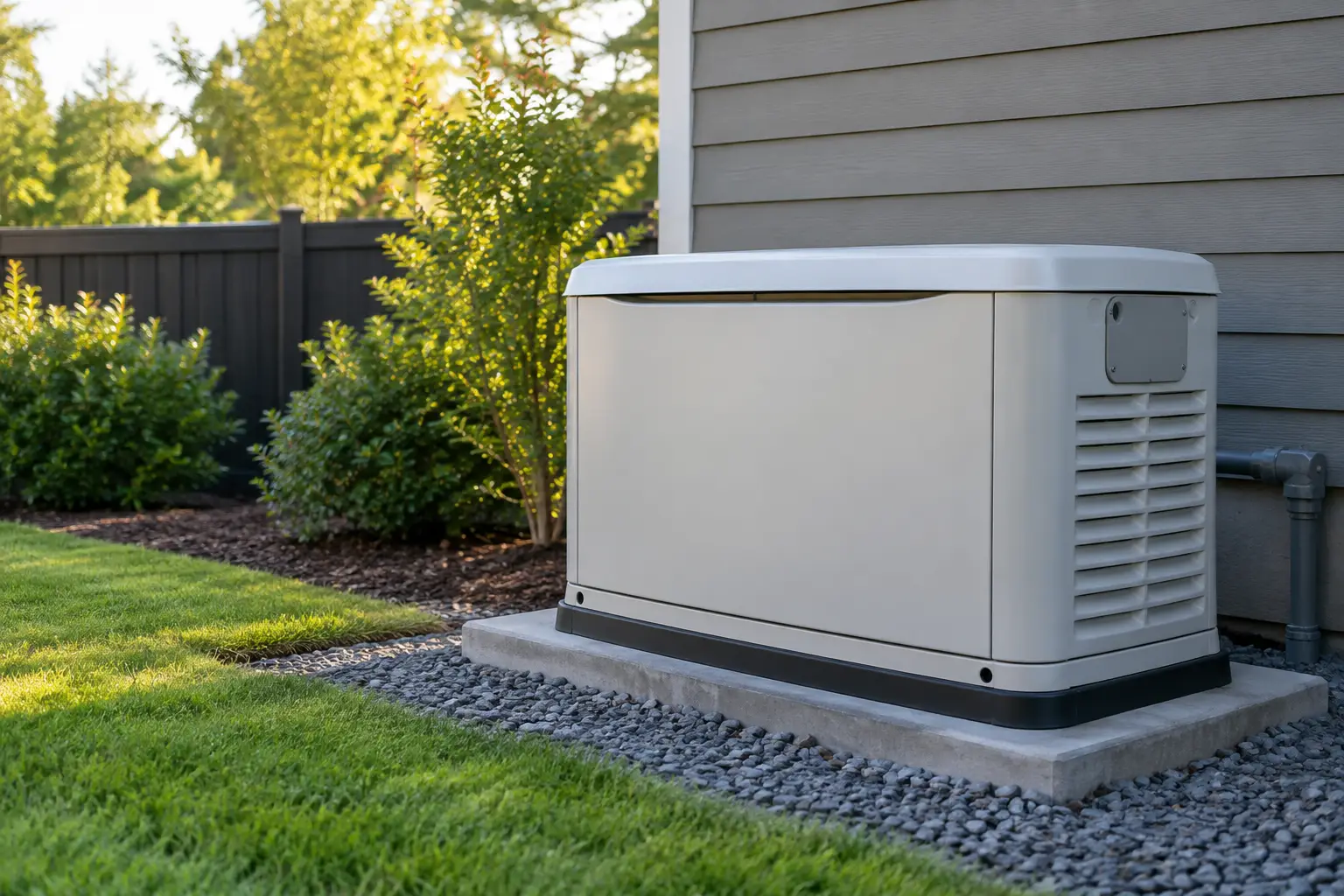
A generator that sounds acceptable on a store floor can feel very different at 2 a.m. during a neighborhood outage. This
generator noise guide explains how to read dBA ratings, compare quiet generators, choose the right size, and reduce unwanted noise through safer placement and operation. The goal is simple: find a generator that provides the power you need without creating more noise than your home, campsite, or jobsite can reasonably handle.
Noise is not only a comfort issue. It can affect campground rules, neighbor relationships, jobsite communication, and whether you are comfortable running a generator overnight to keep a refrigerator, well pump, furnace blower, or other essential equipment running. The right choice depends on the electrical load, how long you expect to run the generator, and how close people will be to it.
What Generator Noise Ratings Actually Tell You
Generator sound levels are usually expressed in decibels, commonly written as dB or dBA. The A-weighted scale, or dBA, gives more weight to frequencies that are more relevant to human hearing. Lower numbers generally mean less noise, but decibels are measured on a logarithmic scale rather than a simple linear one. That means a small difference in the published rating can represent a meaningful change in sound level, especially when comparing generators measured under the same conditions.
A rating of 52 dBA may sound exceptionally quiet compared with 72 dBA, but always check the conditions behind each number. Look for the
measurement distance, load percentage, operating mode, and test conditions. A generator may be significantly louder when powering a large motor or air conditioner than it is during a light-load test. The published rating is useful, but it should be treated as a reference point rather than a promise of the exact noise level you will hear at home.
When comparing models, use the same measurement distance and load level whenever possible. If one model is rated at 58 dBA at 25% load and another is listed at 68 dBA with no test conditions, the numbers are not a clean head-to-head comparison.
A consistent test distance and similar load give you a much better idea of which generator is actually quieter.
Inverter vs. Conventional Generators
For buyers prioritizing quiet operation,
inverter generators are usually the first category to consider. Their engines can vary speed with electrical demand instead of running at a fixed high RPM all the time. When you are charging phones, powering lights, or keeping a small refrigerator cold, the lower engine speed can
reduce fuel consumption and engine noise.
A compact inverter generator in the 2,000- to 2,500-watt class is often a practical fit for
camping, tailgating, and limited emergency loads. Depending on the actual power requirements, this size can handle essentials such as a refrigerator, internet equipment, lights, and small electronics. Some models also support parallel operation, allowing two compatible generators to share the load when you need additional starting capacity for an RV air conditioner or other demanding equipment.
Conventional open-frame generators still make sense in many situations. They generally offer more watts per dollar and are common on jobsites where circular saws, air compressors, and larger tools create demanding loads. A 7,500-watt open-frame unit may be the sensible choice for a transfer inlet box and selected home circuits, even though it will not be as quiet as a small enclosed inverter model.
The trade-off is simple: more available power can mean more engine noise, particularly when the generator is working under a heavy load.
Choose the Right Size Before Chasing the Quietest Model
An undersized generator is rarely quiet in real use. When it operates close to its maximum capacity for long periods,
generator load increases, fuel consumption can rise, and engine noise may become more noticeable. It may also struggle with the higher starting watts required by motors and compressors.
List the appliances and equipment you truly need during an outage or trip. Include both
running watts and starting watts, especially for equipment with motors or compressors. A refrigerator, freezer, sump pump, well pump, furnace blower, window air conditioner, and RV air conditioner can all require additional power when starting. For home backup, a properly installed generator inlet box and transfer equipment can let you power selected essential circuits instead of running multiple extension cords throughout the house.
Do not oversize without a reason, either. A much larger conventional generator may be louder, heavier, and less fuel-efficient when your typical load is only a few hundred watts.
If your normal emergency load is modest, a smaller inverter generator may provide a better balance of noise, fuel use, portability, and available power. A home with a deep well pump changes that calculation because pump starting demand can be substantial.
Placement Makes a Major Difference
Where you place a generator can affect how loud it seems almost as much as the model you choose. Increasing the distance from living areas can reduce the amount of noise reaching the house, provided the generator remains in a safe outdoor location and you use properly rated cords or a suitable generator inlet connection.
Always operate a portable generator outdoors, far from doors, windows, vents, crawlspace openings, and attached garages. Carbon monoxide can enter a home quickly, even if the generator is outside. Follow the manufacturer’s clearance instructions and use carbon monoxide alarms inside the home.
Never run a portable generator inside a garage, even if the garage door is open.
Place the generator on stable, level ground. Hard walls and corners can reflect sound toward a house or neighboring property. Pointing the exhaust away from occupied areas may help, although you should never modify the exhaust system or build a tight enclosure around a running generator.
Blocking airflow can cause overheating and create a fire hazard, while an improvised enclosure can also trap exhaust or interfere with the generator’s cooling system. Never sacrifice ventilation or safe exhaust clearance simply to reduce noise.
A purpose-built, manufacturer-approved cover or operating tent may be appropriate for weather protection if it is specifically designed for use while the generator runs.
A standard storage cover is not suitable while the generator is running. It can block cooling airflow and create a serious hazard.
Cords, Adapters, and Connections Matter Too
Noise discussions often focus entirely on the engine, but the rest of the setup affects how comfortably you can live with generator power. A correctly sized outdoor-rated extension cord can help you place a portable generator farther from occupied areas
while maintaining the electrical connection required by the equipment. Undersized cords can overheat and cause voltage drop, particularly with longer runs and high-draw tools or appliances.
For home backup, use a listed inlet box, an appropriate
generator power cord, and transfer equipment installed for your electrical system. Never backfeed a generator through a dryer outlet or other household receptacle. Backfeeding can energize utility lines, endanger lineworkers, damage equipment, and create a fire risk.
RV owners should confirm the generator outlet, RV shore-power connection, and any adapter match the intended voltage and amperage. A plug adapter changes physical compatibility, not the amount of power a generator can safely provide. If an RV air conditioner starts poorly or the generator is straining, the solution may involve load management, a properly rated generator, or a soft-start device—not simply an adapter.
How to Make a Generator Quieter
You cannot make an open-frame generator as quiet as a well-designed inverter model, but a few practical habits can reduce unnecessary noise. Keep up with maintenance: a dirty air filter, loose hardware, worn vibration mounts, or an exhaust leak can make a generator louder than it should be. Use the fuel and oil specified in the owner’s manual, and investigate new rattles rather than accepting them as normal.
Avoid unnecessary load spikes. If possible, do not start a microwave, shop vacuum, and air compressor at the same time. At a campsite or RV site, use the generator during permitted hours to recharge batteries or run high-draw appliances, then rely on battery power for quiet nighttime needs.
Always check the campground or RV park’s posted generator hours before operating the unit.
If vibration is traveling through a deck, trailer frame, or hard pad, a properly rated outdoor anti-vibration mat can help reduce transmitted vibration. It is not a substitute for correct placement or proper maintenance, and it must not interfere with ventilation, stability, or drainage.
What to Look for When Buying a Quiet Generator
Before purchasing, compare published dBA ratings at similar loads, then weigh those ratings against wattage, fuel runtime, outlet selection, and connection needs. A quiet 2,200-watt inverter unit can be an excellent companion for an RV or a small emergency kit. A larger inverter generator may suit a homeowner who wants quieter essential-circuit backup through an inlet box. For frequent tool use or high-demand pump loads, an open-frame generator may still deliver the best value if you plan placement carefully.
When comparing a generator for noise, check these specifications together:
- dBA rating: Look for the measurement distance and load.
- Rated and starting watts: Make sure the generator can handle your actual equipment.
- Operating mode: Economy or variable-speed operation can reduce noise during lighter loads.
- Fuel runtime: Longer runtime can reduce how often you need to refuel overnight.
- 120/240-volt output: Important for certain home backup and well-pump applications.
- Parallel capability: Useful when you want more output without moving to a much larger generator.
- CO protection: Look for the safety features specified by the manufacturer.
Also consider the environment. A quiet model matters more in a tightly packed neighborhood, a campground, or a location where the generator will run near sleeping areas. On an isolated worksite, power capacity, durability, and 120/240-volt output may take priority.
The best choice is the one that matches the generator to the job rather than simply selecting the model with the lowest published decibel rating.
Generator Noise FAQ
What is a good dBA level for a quiet generator?
A generator rated around 50 to 60 dBA under light-load testing is generally considered relatively quiet for portable power equipment. However, the number alone does not tell the whole story. Check the measurement distance, load percentage, operating mode, and real-world reviews before comparing two generators.
Are inverter generators quieter than conventional generators?
Inverter generators are generally quieter than comparable open-frame conventional generators, particularly when operating at light loads. Their engines can adjust speed according to electrical demand instead of maintaining a high fixed speed. However, actual noise varies by model, load, distance, and operating conditions.
How can I make my generator quieter?
Start with placement, maintenance, and load management. Keep the generator at a safe distance from occupied areas, maintain the air filter and exhaust system, avoid unnecessary simultaneous load spikes, and use a properly rated anti-vibration mat when appropriate. Never enclose a running generator in a way that restricts ventilation or exhaust.
How far should a portable generator be from a house?
Follow the generator manufacturer’s instructions and applicable safety guidance for the specific model. A portable generator should be operated outdoors and away from doors, windows, vents, crawlspace openings, and attached garages so carbon monoxide cannot enter the building. Noise reduction should never take priority over safe placement and ventilation.
Is 70 dBA loud for a generator?
A 70 dBA generator will generally be noticeably louder than a model rated in the 50s or low 60s, assuming the measurements were taken under comparable conditions. Whether that is acceptable depends on the load, distance, location, and local campground or community rules. Always compare dBA ratings using the same test conditions when possible.
Can I run a quiet inverter generator overnight?
A quiet inverter generator can be used overnight when the model is designed for the intended runtime and it is operated according to the owner’s manual and local rules. Before running one while people are sleeping, confirm safe outdoor placement, carbon monoxide protection, fuel requirements, and the generator’s rated continuous operating limits.
Final Thoughts
The best time to deal with generator noise is before an outage, not when the refrigerator is warming and the neighbors are trying to sleep. Choose enough capacity for your real loads, plan the generator’s outdoor location, use properly rated connections, and test the setup before you need it. A little preparation can make backup power quieter, safer, and much easier to manage when the power goes out.