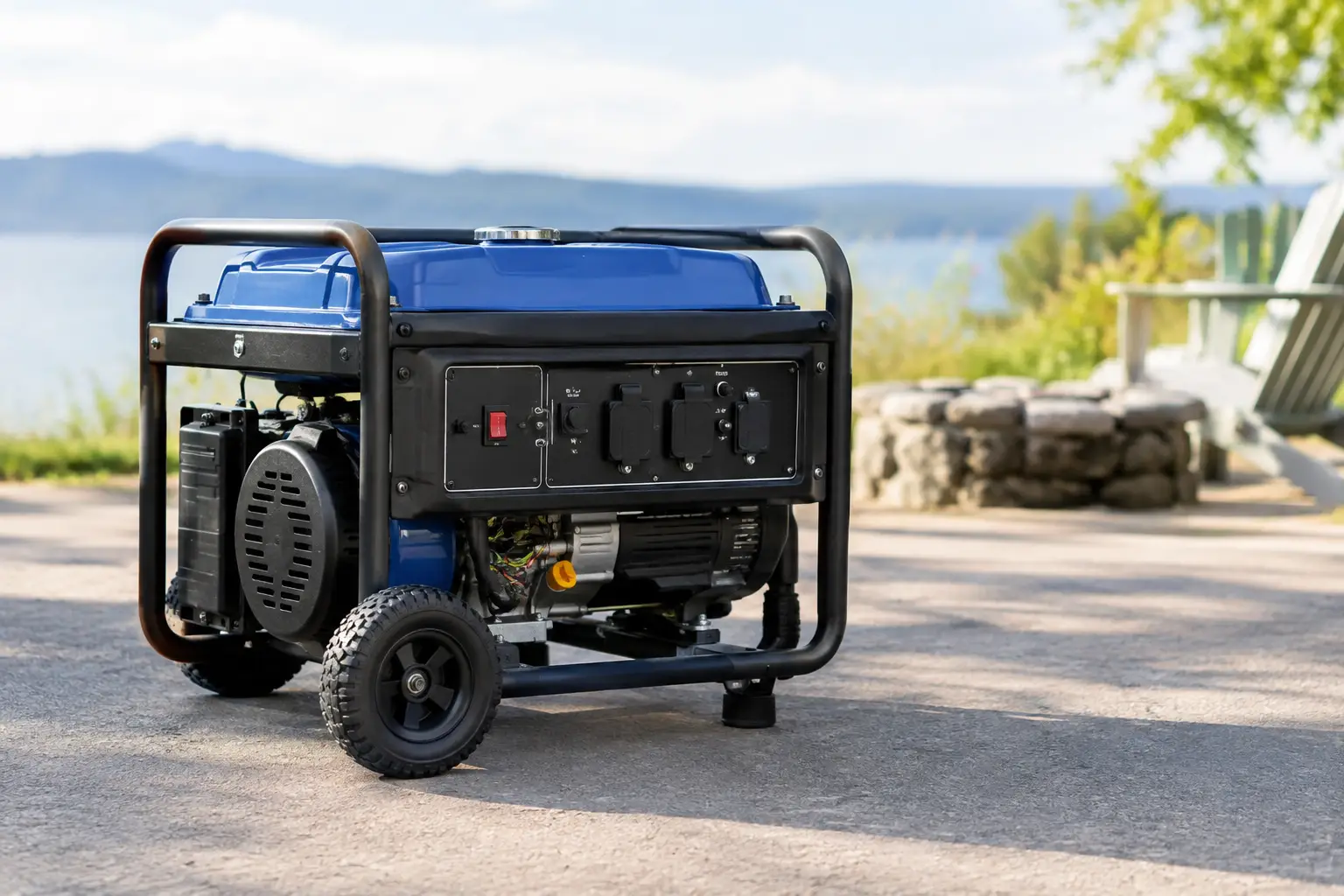
Buying a portable generator is about more than finding the highest wattage for the lowest price. The generator also needs to match the appliances or circuits you plan to run, the way you intend to connect it, and how much noise, weight, and fuel use you can realistically live with. This Westinghouse portable generator review looks at the brand’s main strengths, limitations, and generator types so you can decide which setup makes sense for your needs.
Westinghouse’s portable lineup covers several different use cases, from compact inverter generators for camping and light emergency power to larger open-frame models designed for higher-demand loads. That range makes the brand relevant to homeowners, RV owners, campers, and contractors, but it also makes model selection important. An enclosed inverter generator and an open-frame 240-volt generator are built for very different priorities, so comparing them only by wattage can lead to the wrong purchase.
Westinghouse Portable Generator Review: Is It Worth It?
Westinghouse portable generators make the most sense for buyers who want a broad choice of power outputs, fuel options, and outlet configurations without moving straight into the cost of a permanently installed standby system. The lineup includes compact inverter models for lighter loads as well as larger generators for 120/240-volt applications. The best choice depends less on the Westinghouse name itself and more on the loads you need to run.
The biggest advantage of the lineup is the range of configurations available. Small iGen inverter models are easy to transport and suitable for electronics, camping gear, and modest RV loads. A mid-size inverter such as the iGen4500DFc is better suited to RV air-conditioning, quieter campground use, and backup for essential household loads when managed carefully.
The trade-off is that portable equipment still requires more attention from the owner. Open-frame units are louder than inverter generators, gasoline needs rotation and proper storage treatment, and the included accessories are not a substitute for a properly planned home connection. Buyers should also verify the exact model suffix before ordering. Features such as a CO sensor, remote start, parallel capability, outlet layout, and propane output can vary within a series.
What Westinghouse Portable Generators Do Well
A Wide Range of Power Options
Westinghouse covers several common portable power requirements. A compact model such as the iGen2200 can handle lighter loads such as a refrigerator, lights, phone chargers, and small electronics, provided the total demand remains within its rated capacity. It is not a whole-home solution, but its smaller size makes it more practical for camping, tailgating, and basic emergency use.
A mid-size inverter such as the iGen4500DFc is better suited to applications that need more output without moving to a large open-frame generator. Depending on the load and conditions, this type of generator can be useful for RV air-conditioning, quieter campground use, and selected household loads.
For a home with a sump pump, well pump, freezer, furnace blower, or selected kitchen circuits, a larger WGen model may be the better fit. Models such as the WGen7500DF and WGen9500DF are aimed at buyers who need higher output and 120/240-volt capability, although specifications can vary by exact model and version. That voltage matters because many well pumps and transfer-switch installations use 240 volts, while many smaller inverter generators provide 120 volts only.
Do not shop by peak watts alone. Starting watts help motors get moving, but running watts determine what the generator can carry continuously. A refrigerator may need a short starting surge, while a well pump can require a much larger one. Add the running load first, account for motor starts, and leave usable headroom rather than planning to operate at the generator’s limit for hours. That distinction is especially important with refrigerators, pumps, compressors, and other motor-driven equipment.
Westinghouse Generator Types Compared
| Generator type | Best for | Main advantage | Main drawback | | —————– | —————————- | ———————————- | ————————— | | Small inverter | Camping and light loads | Portable and quieter | Limited output | | Mid-size inverter | RVs and essential loads | Balance of power and noise | Higher cost | | Large open-frame | Home backup and higher loads | Higher output and 120/240V options | Louder and heavier | | Dual-fuel model | Emergency preparedness | Fuel flexibility | Propane output can be lower |
Why Dual-Fuel Capability Matters
Dual-fuel Westinghouse models can run on gasoline or propane. Gasoline typically provides the highest listed output, while propane usually reduces available watts somewhat. In exchange, propane can be stored for longer periods in a properly maintained cylinder and avoids some of the problems associated with stale gasoline in a fuel system.
Some homeowners prefer to keep treated gasoline available for immediate use while storing propane separately for longer-term backup. RV users may value the ability to use an external propane supply, but should confirm the generator’s approved connection method and never improvise a fuel hookup. A built-in RV propane system, portable cylinder, regulator, and hose arrangement must be compatible with the generator manual.
Choosing the Right Outlets
Larger Westinghouse units often include household receptacles plus higher-amperage outlets. A 120/240-volt twist-lock outlet can support an appropriately sized generator cord and inlet box for a manual transfer switch or panel interlock installation. Some models also include a 30-amp RV-style outlet, which is useful for a travel trailer or camper.
Those outlets are valuable only when they match the job. A TT-30 outlet is 120 volt and is not interchangeable with a 240-volt 30-amp outlet. Likewise, a receptacle that looks like a 50-amp outlet does not automatically mean a generator can supply 50 amps at 240 volts continuously. Read the receptacle label, the generator’s rated output, and the equipment manual before buying a cord or adapter.
Where Westinghouse Generators May Fall Short
Open-frame Westinghouse generators offer a lot of watts for the money, but they are not quiet machines. That may be acceptable during a storm outage or on a remote jobsite. It is less appealing at a campground, near close neighbors, or when the generator will run overnight outside a bedroom window. If low noise, better efficiency at lighter loads, and inverter-based power are priorities, paying more for an inverter model may make sense.
Portability is another area where specifications can mislead. A generator may have wheels and a folding handle, yet still weigh enough that one person will not want to lift it into a truck bed. Consider where it will live, whether it must clear stairs, and who will move it during an outage. For some households, two smaller inverter generators used separately or in parallel are more practical than one large open-frame unit. That option can also make storage and occasional transport easier, although parallel operation only works when the generators are designed to support it.
Westinghouse also includes carbon monoxide shutdown technology on many current models. That is a worthwhile safety feature, but it is a last line of defense, not permission to place a generator near a garage, covered porch, window, or vent. Operate it outdoors in an open area, with exhaust directed away from the home. Use working carbon monoxide alarms as recommended for your home, and follow the alarm manufacturer’s placement guidance.
Choosing the Right Westinghouse Model Type
A small inverter generator is the right fit when portability and quiet operation matter most. It suits camping, tailgating, battery charging, small appliances, and light emergency use. It can also handle selected essential loads, such as a refrigerator and small electronics, when the total running and starting demand stays within its rated capacity.
A larger enclosed inverter can be a good middle ground for RV owners and homeowners who want to run sensitive electronics, a refrigerator, microwave, and selected loads with less noise. Confirm whether its running output supports your RV air conditioner, especially at high elevation or in hot weather, where performance can be affected.
A large open-frame WGen generator is the better candidate for a planned home-backup setup. It can support selected 120/240-volt circuits, larger pumps, and higher-demand appliances when sized correctly. That does not mean every circuit in the home’s service panel can be operated at the same time. Central air conditioning, electric water heating, ranges, clothes dryers, and electric heat can consume capacity quickly.
Westinghouse Generator Pros and Cons
Pros
- Wide range of portable generator sizes
- Gasoline and dual-fuel options on selected models
- Inverter options for buyers who prioritize lower noise
- 120/240-volt options for higher-demand applications
- Several configurations for RV, home backup, and jobsite use
Cons
- Open-frame models can be loud
- Larger units can be difficult to move
- Specifications vary significantly between models
- Dual-fuel output can be lower on propane
- Portable generators still require proper setup and load management
Setup Details That Matter as Much as the Generator
For direct appliance use, choose an
outdoor-rated extension cord with the correct wire gauge and length. Long, undersized cords create voltage drop, which can make motors run hot and reduce appliance performance. The correct wire gauge depends on the load, cord length, outlet rating, and applicable electrical requirements, so do not choose a cord based on gauge alone. Match the cord to the generator outlet and the load, not simply to what is already in the garage.
For home backup, use a properly installed transfer switch or listed panel interlock with a
generator inlet box. Never connect a generator to a wall outlet or dryer receptacle. That dangerous practice, called backfeeding, can energize utility lines and expose utility workers, neighbors, and your own equipment to serious risk.
Neutral bonding also deserves attention. Whether a generator has a bonded or floating neutral can affect how it is used with a transfer switch, RV electrical system, or certain surge protection equipment. The important point is that the generator’s neutral configuration needs to be compatible with the electrical equipment it is connected to. Do not assume a bonding plug is appropriate because it worked for someone else. Check the generator manual, the transfer equipment instructions, and local electrical requirements. When the setup is unclear, an electrician familiar with generator connections is the right person to ask.
Is a Westinghouse Generator a Good Long-Term Buy?
For the right use case, a Westinghouse portable generator can be a practical long-term purchase. The lineup offers several combinations of power output, fuel type, voltage, and portability, which makes the brand worth considering for RV use, emergency backup, and jobsite power. The important part is choosing a specific model based on the loads and connection method you actually need rather than simply buying the highest wattage available.
Frequently Asked Questions
Are Westinghouse generators reliable?
Westinghouse offers a broad range of portable generators, but reliability can vary by model and maintenance. Buyers should look beyond the brand name and compare the specific generator’s engine, rated output, warranty, controls, fuel system, and intended use before purchasing.
Is Westinghouse a good generator brand?
Westinghouse is worth considering when you want several portable generator options at different power levels and price points. Its lineup includes inverter and conventional models as well as dual-fuel configurations. The best choice depends on whether your priority is portability, low noise, RV power, or higher-output home backup.
Are Westinghouse generators good for RVs?
Some Westinghouse inverter generators are well suited to RV use because they combine portable designs with relatively quiet operation and 120-volt output. Before buying, check the generator’s running watts against your RV air conditioner’s starting requirements and the other appliances you expect to operate at the same time.
Can a Westinghouse generator power a house?
A properly sized Westinghouse generator can provide backup power for selected household circuits. Larger models with 120/240-volt output may be appropriate for higher-demand equipment, but the generator must be connected using an approved transfer switch or listed interlock and operated within its rated capacity.
Final Verdict
Before buying, make a list of the appliances or circuits you actually need to keep running, their running wattage, and any significant starting loads. Then compare that requirement with the generator’s rated output, fuel options, outlets, connection method, and operating environment. A Westinghouse portable generator can be a practical source of backup power, but choosing the right model and planning the installation are what determine whether it will work well when you need it most.