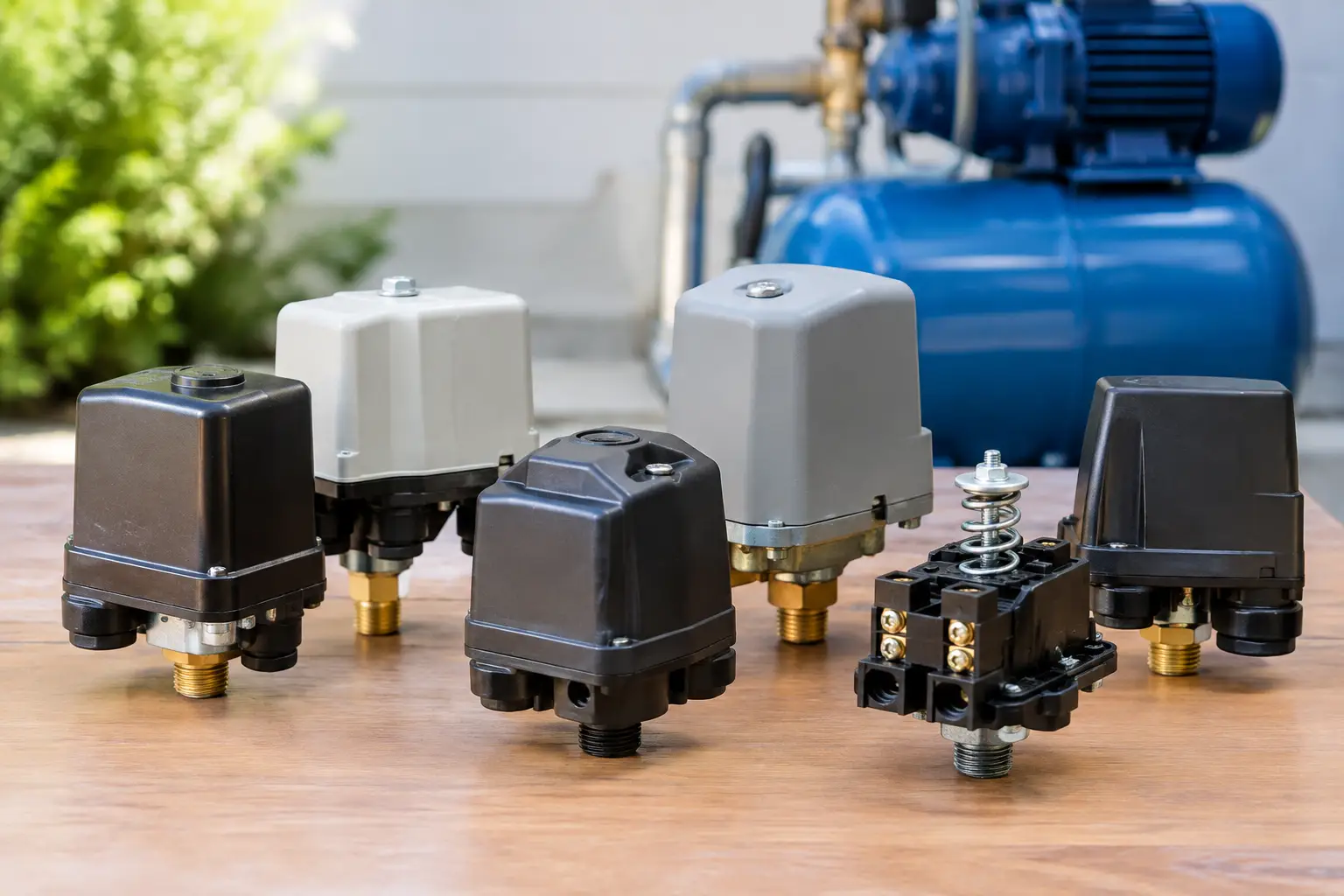
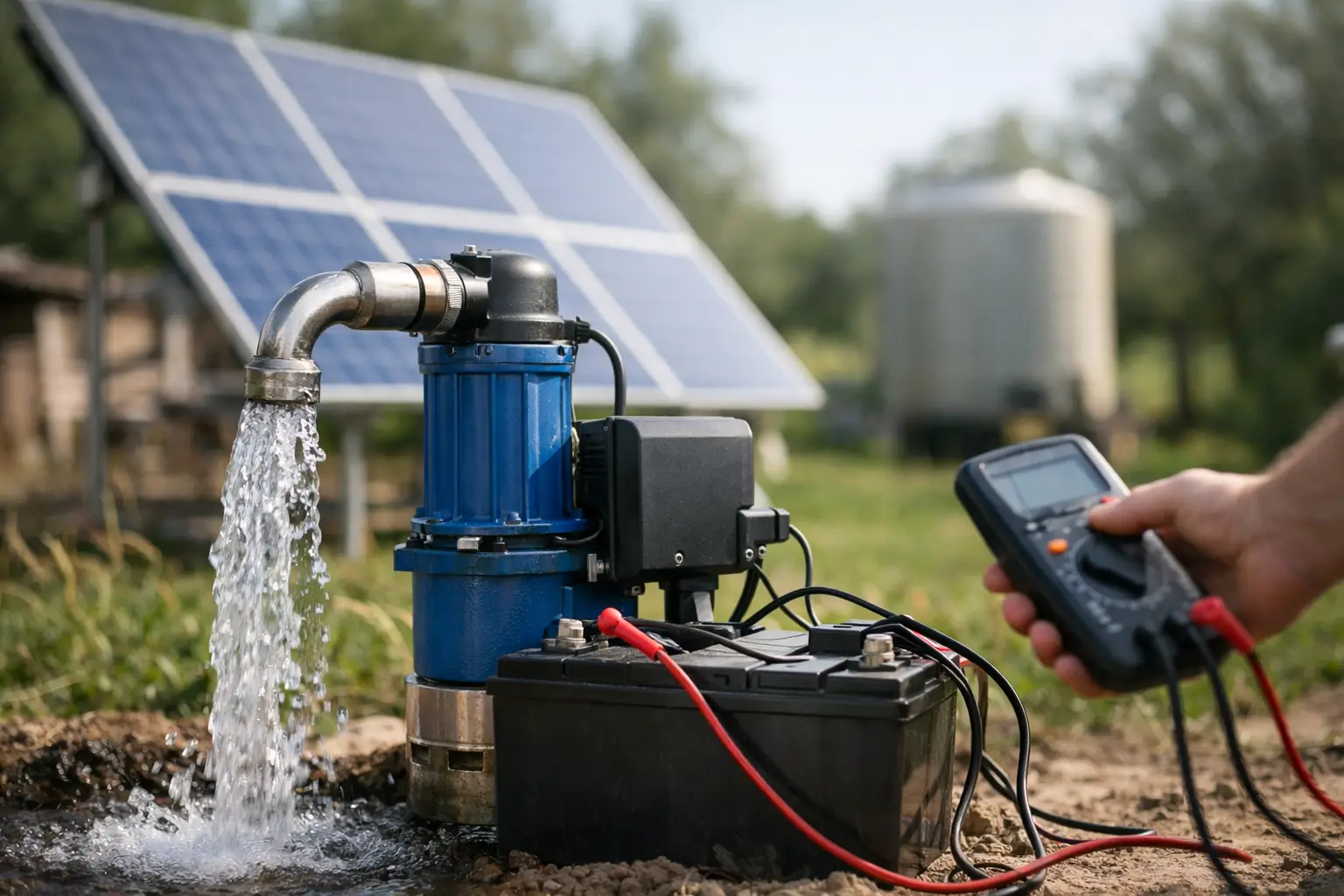
A well system can have a properly working pump and pressure tank yet still develop inconsistent water pressure when the pressure switch is worn, incorrectly adjusted, or poorly matched to the pump. A good well pump pressure switch controls when the pump starts and stops based on system pressure. The right replacement depends on the cut-in and cut-out settings, electrical rating, pump horsepower, and whether the system needs low-pressure cutoff protection.
7 Well Pump Pressure Switch Options to Consider
The options below cover common pressure-switch configurations used in residential and higher-load well systems. Because pressure switches must match the pump, pressure tank, and electrical setup, the best replacement is not necessarily the one with the highest pressure rating.
| Pressure switch type | Best for | Typical pressure setting | Key consideration | | ————————————- | ———————————————— | ————————————: | ——————————————————– | | Square D Pumptrol 9013FSG2J24 | Systems designed for higher residential pressure | 40/60 PSI | Verify the exact pressure code and pump compatibility | | Pumptrol low-pressure cutoff switch | Low-pressure protection | 30/50 PSI or other compatible setting | May require manual reset after a low-pressure trip | | 20/40 PSI Pumptrol switch | Systems designed for lower pressure | 20/40 PSI | Lower cut-in and cut-out pressure | | 40/60 PSI pressure switch | Homes requiring higher system pressure | 40/60 PSI | Pump, tank, and plumbing must support the higher setting | | Heavy-duty 30/50 PSI pressure switch | Compatible higher-load pumps | 30/50 PSI | Verify voltage, horsepower, and amp rating | | Adjustable pressure switch | Nonstandard pressure settings | Adjustable | Settings must remain within the switch and system limits | | Pressure switch with pump-start relay | Higher-load pump systems | Varies | Relay or contactor must be properly sized for the motor |
1. Square D Pumptrol 9013FSG2J24: Best for Systems Designed for 40/60 PSI
The Square D Pumptrol 9013FSG2J24 is designed for residential pressure-control applications, but buyers should verify the exact pressure code and configuration before ordering. The J24 pressure code corresponds to a 40/60 PSI setting, meaning the pump starts at 40 PSI and stops at 60 PSI. That makes this configuration more appropriate for systems designed to operate at the higher pressure range rather than a standard 30/50 setup.
Its main appeal is the straightforward mechanical design. The 9013FSG family also has documented replacement parts, including diaphragm and contact kits, which can make servicing more practical than replacing an entire system component. The important point is to match the replacement switch and parts to the exact configuration already installed.
2. Pumptrol Low-Pressure Cutoff Switch: Best for Low-Pressure Protection
A low-pressure cutoff switch can be useful when a well is prone to low pressure during drought, heavy irrigation, or periods of unusually high demand. If system pressure falls below the switch’s low-pressure trip point, the control can shut off the pump. That can reduce the risk of prolonged operation when the well is not supplying enough water to maintain normal system pressure.
The downside is that a low-pressure cutoff can trip for reasons other than a low-yield well, including a significant leak or another problem that causes system pressure to fall. Some manual-reset designs require the user to reset the switch after the problem is corrected. That makes the feature more useful when low-pressure conditions are a realistic concern rather than something every well system needs.
3. 20/40 PSI Pumptrol Switch: Best for Lower-Pressure Systems
A 20/40 PSI setting can still make sense when it matches an existing well system and the household has adequate water pressure at the fixtures. The pump starts at 20 PSI and shuts off at 40 PSI, so changing from a higher-pressure setting should be based on the pump, tank, plumbing, and desired system pressure rather than the age of the house alone.
Do not move from 20/40 to 30/50 simply because higher pressure sounds better. Raising the switch setting also changes the required pressure-tank precharge. For conventional pressure-tank systems, the precharge is set 2 PSI below the switch’s cut-in pressure, so a 20/40 system typically uses an 18 PSI precharge. An incorrectly adjusted tank can contribute to poor drawdown and frequent pump cycling.
4. 40/60 PSI Pressure Switch: Best for Higher System Pressure
A 40/60 pressure switch can make sense when a properly functioning 30/50 system does not provide the pressure a household needs at its fixtures. It raises the system’s cut-in and cut-out pressures, which can improve available pressure at some fixtures. However, the pump, pressure tank, piping, and other components must all be suitable for the higher operating pressure.
Before installing one, confirm that the pump can reliably reach the 60 PSI cut-out pressure and that the pressure tank, piping, and other system components are rated for the intended pressure. For a conventional 40/60 setup, the pressure tank is typically precharged to 38 PSI with the water pressure fully drained.
A higher pressure setting is not automatically an upgrade. If the pump cannot reach the required cut-out pressure or another part of the system is not designed for the change, raising the switch setting can create operating problems instead of improving water delivery.
5. Heavy-Duty 30/50 PSI Pressure Switch: Best for Compatible Higher-Load Pumps
Many replacement switches look similar, but their electrical ratings and configurations are not interchangeable. A heavy-duty model can be appropriate for a 240-volt pump with higher electrical demands only when its voltage, horsepower, amperage, and switching configuration match the motor and control system.
Check the pump voltage, horsepower, full-load amperage, and whether a separate control box is part of the installation. An undersized switch can develop damaged contacts or fail prematurely. If the existing switch has badly pitted or blackened contacts, do not assume the switch simply reached the end of its life; an electrical or motor problem may also need to be investigated.
6. Adjustable Pressure Switch: Best for Nonstandard Settings
An adjustable pressure switch can be useful when a replacement needs to match a nonstandard system pressure. It allows the cut-in and cut-out points to be adjusted, but those settings must remain compatible with the pump, pressure tank, piping, and switch itself. Adjustment should be based on actual system pressure rather than guesswork.
Adjustment is not a substitute for diagnosis. If pressure drifts, the pump cycles every few minutes, or the switch chatters, the underlying problem could be a waterlogged pressure tank, blocked pressure-sensing connection, faulty check valve, or leak. Verify the actual system pressure with a reliable gauge before changing the switch settings, and follow the manufacturer’s adjustment procedure. Pentair’s adjustment guidance states that pressure-switch settings should remain within the applicable limits of the switch and system.
7. Pressure Switch With Pump-Start Relay: Best for Higher-Load Pump Systems
For larger motors or pump systems whose electrical load exceeds the appropriate contact rating of a pressure switch, a properly sized relay or contactor can allow the pressure switch to control the motor indirectly. The switch operates the control circuit while the relay or contactor handles the motor load.
This adds cost and complexity, so it is not necessary for many standard residential well systems. For higher-load applications, however, a properly sized relay or contactor may be appropriate. If you are unsure, compare the pump motor’s electrical requirements with the pressure switch ratings and the manufacturer’s wiring instructions rather than relying on horsepower alone.
Well Pump Pressure Switch Pros and Cons
Pros
- Controls automatic pump start and stop
- Available in common 20/40, 30/50, and 40/60 PSI configurations
- Low-pressure cutoff models can add protection against sustained low-pressure conditions
- Mechanical switches are relatively straightforward compared with more complex pump controls
- Replacement switches are available for many common residential systems
Cons
- Pressure settings must match the pump and pressure tank
- Electrical ratings vary between models
- Low-pressure cutoff switches can trip during other system problems
- Incorrect adjustment can cause cycling or pressure problems
- Larger or higher-load pumps may require additional motor controls
How to Choose the Right Well Pump Pressure Switch
Start with the pressure setting printed on the existing switch or confirm it by watching the pressure gauge through a normal pump cycle. A 30/50 PSI setting is common in residential well systems, while 20/40 or 40/60 may be appropriate when the existing system is designed for those pressures. Do not change the pressure range without confirming that the pump, pressure tank, piping, and other components can support it.
Match the replacement switch to the pump’s voltage, motor capacity, and control arrangement. Do not assume the system voltage from the type of well pump alone. Before servicing any electrical component, power must be disconnected and verified according to applicable electrical safety procedures. If the wiring, terminals, or control-box configuration do not clearly match the replacement instructions, have the work handled by a qualified well or electrical professional.
The switch must also match the pressure-sensing connection on the existing system. Connection sizes can vary between pressure-switch configurations, so verify the exact model before ordering. Mineral buildup or corrosion in the small pressure-sensing passage can also interfere with pressure readings and make a replacement switch appear faulty. Check the connection and pressure-sensing path as part of the repair.
Pressure Tank Settings Matter as Much as the Switch
For a conventional pressure-tank system, the tank’s air precharge is typically set 2 PSI below the pressure switch cut-in setting. That means 28 PSI for a 30/50 system, 18 PSI for 20/40, and 38 PSI for 40/60. The pressure should be checked with pump power off and the water pressure fully relieved from the tank.
Correct precharge helps the pressure tank provide the intended drawdown and can reduce unnecessary pump cycling. Too little or too much air can change how much water the tank delivers between pump cycles and may contribute to inconsistent pressure or cycling problems.
Backup Power Considerations for Well Pumps
A pressure switch cannot compensate for an undersized generator. During an outage, starting a well pump can place a much higher temporary demand on the generator than the pump’s normal running load, particularly with 240-volt submersible motors. Check the pump’s electrical requirements and make sure the generator can provide the required 240-volt output through a properly installed
transfer switch or inlet box.
Avoid improvised connections. The generator needs enough capacity for the pump’s electrical demand, while the
generator cord and transfer equipment must also be properly rated for the installation. A listed transfer switch or other approved transfer method helps prevent dangerous backfeeding and protects the home’s electrical system and utility personnel.
Once power is restored, the well system should be allowed to complete a normal pressure cycle. If the pump continues running, the pressure fails to reach the expected cut-out point, or the switch behaves abnormally, the system should be inspected before normal operation continues.
Frequently Asked Questions
What is the most common well pump pressure switch setting?
A 30/50 PSI setting is common in residential well systems. The pump starts when pressure falls to 30 PSI and stops when pressure reaches 50 PSI. However, the correct setting depends on the pump, pressure tank, plumbing, and existing system configuration, so a replacement switch should match the system rather than being selected solely because 30/50 PSI is common.
How do I know what pressure switch I need for my well pump?
Check the pressure setting on the existing switch, the pump’s voltage and horsepower, the electrical rating of the switch, and the pressure-tank setup. Also verify the pressure-sensing connection and the switch configuration. If the existing setup is unclear or the replacement involves electrical changes, a qualified well or electrical professional should identify the correct switch.
Is a 30/50 or 40/60 pressure switch better?
Neither setting is automatically better. A 30/50 switch is common for residential systems, while 40/60 provides higher system pressure when the pump, tank, plumbing, and other components are designed for it. Increasing the pressure setting without checking system compatibility can create problems rather than improve water delivery.
What should the pressure tank be set to for a 30/50 switch?
For a conventional pressure-tank system, the tank air precharge is typically set to 28 PSI when using a 30/50 pressure switch. The pressure should be checked with the pump off and water pressure fully relieved. Always follow the pressure-tank manufacturer’s instructions for the specific tank and system.
Can a well pump pressure switch prevent dry running?
A low-pressure cutoff switch can help protect against certain low-pressure conditions by shutting the pump off when pressure falls below its trip point. However, it should not be treated as a complete dry-run protection system for every well. The appropriate protection depends on the pump, well conditions, controls, and the cause of the low-pressure condition.
Final Verdict
The right well pump pressure switch is the one that matches the existing pressure range, pump motor, electrical configuration, and pressure-tank setup. Before ordering, record the old switch model, pressure settings, pump nameplate information, and pressure-tank specifications. Verifying those details first can help avoid installing a switch that does not match the well system.