As an Amazon Associate I earn from qualifying purchases.
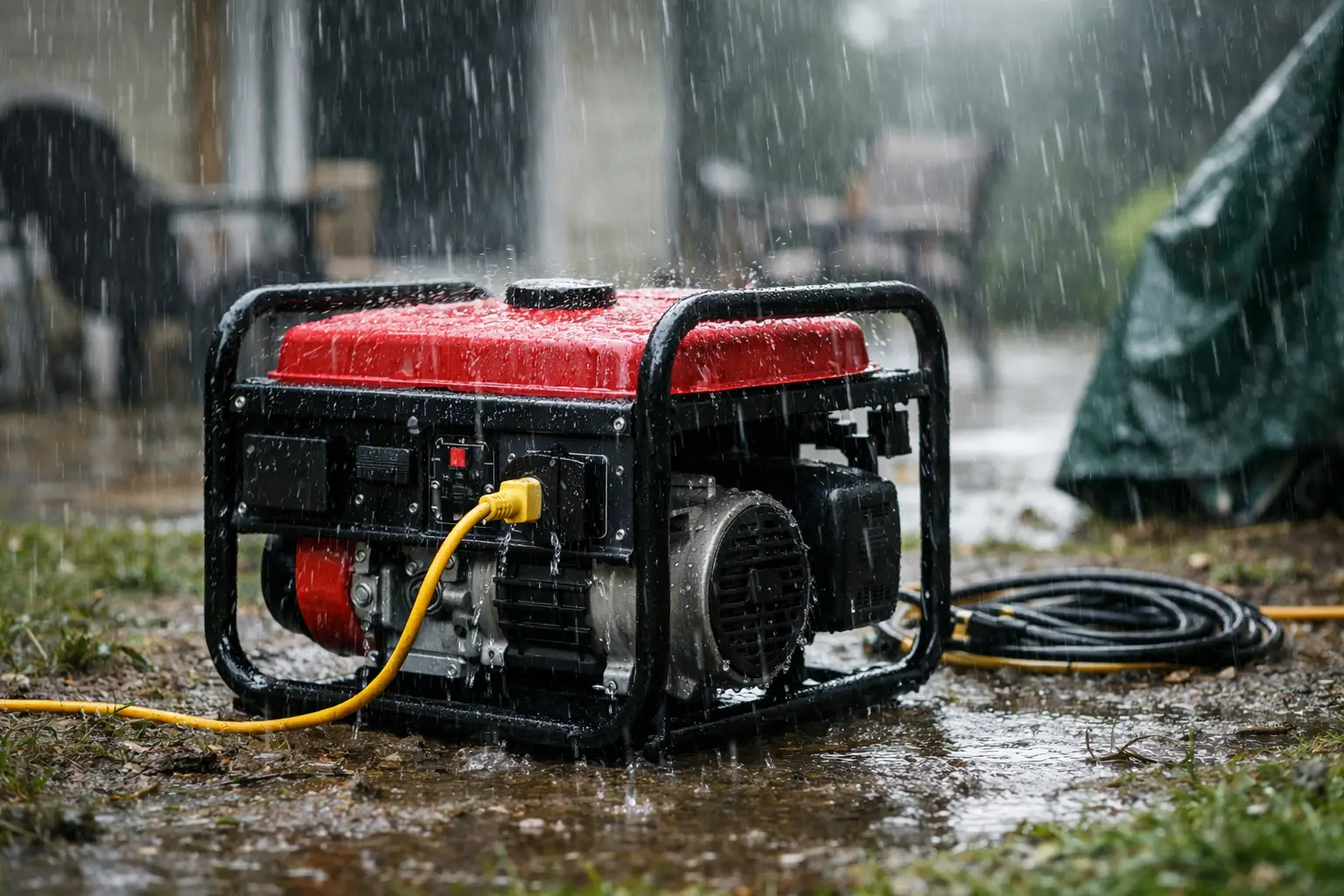
A storm knocks out power, the sump pump needs electricity, and your portable generator is sitting outside in the rain. That is usually the moment people ask, can a generator get wet? The short answer is yes, it can get wet – but that does not mean it is safe to run, touch, or restart without taking the right steps.
Water and generators are a bad combination for two reasons. First, there is the immediate shock and electrocution risk. Second, there is the longer-term damage water can cause to the alternator, outlets, wiring, controls, and engine components. If you own a portable generator for home backup, camping, RV use, or jobsite work, knowing the difference between a little moisture and a true soaking matters.
Can a generator get wet in the rain?
Yes, a generator can physically get wet in rain, snow, splash, or heavy humidity. The real question is whether it should. In almost every normal use case, the answer is no. Most portable generators are not designed to operate uncovered in direct rain, and many owner manuals say that clearly.
Even when the engine keeps running, wet conditions create hazards around the power outlets, extension cord connections, and frame. Standing water around the machine makes the risk worse. This is especially true during emergency outages, when people are tired, working in the dark, and trying to power refrigerators, well pumps, or medical devices quickly.
Some generators are sold with weather-resistant outlet covers or partial protective housings, but that is not the same thing as waterproof. A weather-resistant design can help with light exposure and outdoor storage conditions, but it does not mean the unit should sit open in a downpour.
Why water is such a problem for generators
A generator combines fuel, electricity, moving engine parts, and metal components. Add rainwater, and you create multiple failure points at once.
The most urgent concern is electric shock. Wet outlets, wet cords, and wet hands raise the chance of current traveling where it should not. If the generator is powering a transfer switch, appliances, RV hookups, or tools, moisture can also affect connected equipment.
The second issue is internal damage. Water can corrode terminals, contaminate electrical contacts, and work its way into control panels. On inverter generators, where electronics are more compact and sophisticated, moisture damage can be expensive. On conventional portable models, repeated exposure can still shorten lifespan by attacking metal parts and connections.
There is also the engine side. Rain entering through vents or exposed openings can affect air intake and combustion. If enough water gets where it does not belong, the generator may misfire, stall, or fail to start later.
What happens if your generator gets wet?
It depends on how wet it got.
A generator exposed to overnight humidity or light mist is very different from one left running in a thunderstorm or submerged in floodwater. Mild surface moisture may dry without causing a major issue. A heavy soaking, on the other hand, can leave water inside outlets, breaker housings, the recoil area, or sensitive electronics.
Floodwater is the worst-case scenario. If a generator has been sitting in standing or moving water, treat it as unsafe until fully inspected. Floodwater often carries dirt, salt, chemicals, and debris, which means the problem is not just moisture – it is contamination. In that case, the machine may require professional service, part replacement, or full disposal depending on the severity.
Can you run a generator after it gets wet?
Not immediately.
If the generator got wet while off, do not start it just to see if it still works. If it got wet while running, shut it down if you can do so safely without standing in water or touching wet energized components. Letting a wet generator continue operating can increase the chance of electrical fault or internal damage.
The safe approach is to disconnect loads, turn the unit off, and let it dry thoroughly before any restart attempt. Drying means more than wiping the outside with a towel. Moisture can sit inside outlets, behind panels, and around wiring long after the frame looks dry.
If your generator has a battery start system, remove the key and disconnect the battery if the manual allows it and you know how to do it safely. That reduces the chance of accidental energizing while you inspect the unit.
What to do if a generator gets wet
Start by keeping people away from it, especially children and pets. If there is standing water nearby, do not touch the generator until the area is safe.
Move the generator to a dry, well-ventilated location if you can do so safely. Do not bring a gasoline generator indoors, into a garage, or into an attached space just to dry it. Carbon monoxide risk does not go away because the machine is off recently or because the door is open. A covered outdoor area with good airflow is the better choice.
Once the unit is in a safe place, disconnect extension cords and anything plugged into it. Inspect the outlets, breaker area, fuel cap area, recoil housing, and control panel for obvious moisture. Dry the exterior first, then allow time for internal drying. Fans help. Warm, moving air helps. Rushing the process does not.
If the generator was heavily soaked, tipped into water, or exposed to flood conditions, it is smart to have it checked by a qualified repair technician before restarting. That is particularly true for inverter generators and larger home backup portables with electric start and multiple outlet types.
How long should a wet generator dry out?
There is no universal number because conditions vary. A small amount of surface moisture may evaporate quickly in warm, dry weather. A soaked generator may need a day or more of drying time, and even then the issue is whether internal components are truly dry, not whether the casing feels dry.
This is one of those situations where patience is cheaper than replacement. A generator that costs a few hundred or a few thousand dollars is not worth gambling on for the sake of restarting it a few hours early.
How to use a generator safely in bad weather
The answer is protection, not exposure. If you need backup power during rain, the generator should be placed outside in a dry setup that protects it from direct precipitation while still allowing full ventilation.
That means using a purpose-built generator tent,
generator running cover, or shelter designed for active operation. These products are different from storage covers. A storage cover is for a generator that is off and cooled down. A running cover is designed to shield the unit from rain while keeping exhaust heat and airflow in mind.
You also want the generator on a firm, level surface. Avoid puddles, soft mud, and low spots where water collects. Keep cords elevated as much as practical, and use outdoor-rated
extension cords in good condition. If your application supports it, GFCI-protected outlets add another layer of safety.
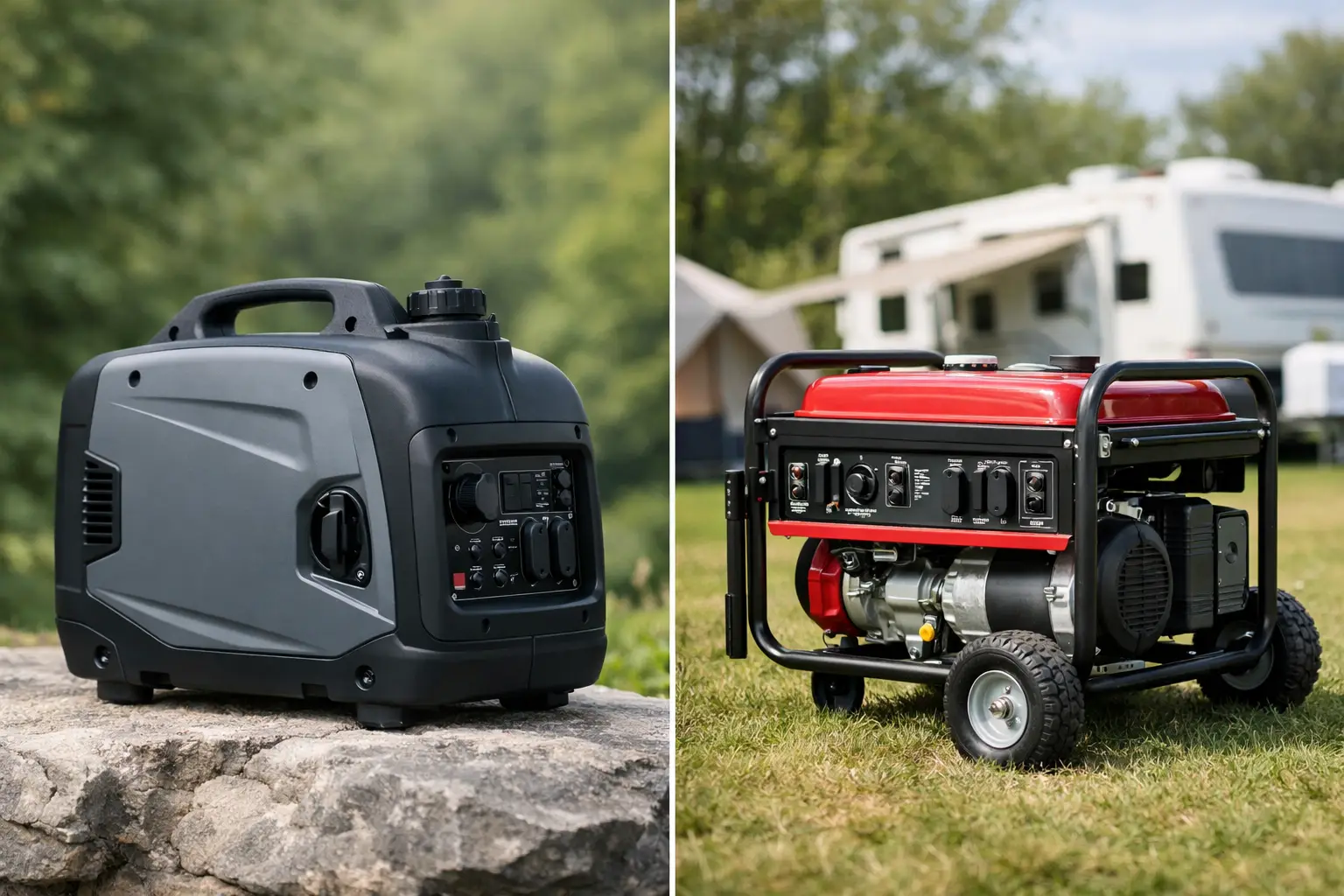
For homeowners shopping for equipment, this is where product choice matters. Some enclosed inverter generators handle outdoor use more gracefully than open-frame models, and some accessories are better designed than others. A cheap tarp thrown over a running unit is not a safe substitute for a real generator cover.
Can a standby generator get wet?
Standby generators are different from portables, but they are not invincible. Permanent home standby units are built for outdoor installation and have weather-protective enclosures. They are meant to handle rain, snow, and normal outdoor exposure much better than a portable model.
Still, that does not mean any amount of water is fine. Flooding, poor drainage, storm debris, or damaged enclosures can still create serious problems. If a standby unit has been underwater or partly submerged, it should be inspected before continued use. Outdoor-rated does not mean flood-proof.
Preventing the problem before the next storm
A little planning solves most of this. Store your portable generator in a dry place when not in use. Keep a fitted storage cover on it only when the unit is off and cool. If you live in an area with frequent storms, buy a proper running cover before outage season instead of after the shelves are empty.
It also helps to test your setup ahead of time. Make sure you have the right extension cords, a level operating spot, and enough clearance from doors, windows, and vents. If you are choosing between models, look closely at outlet protection, frame design, and available weather covers. Those details seem small until the weather turns bad and the power is already out.
If you remember one thing, make it this: a generator can get wet, but that never makes wet operation a good idea. Keep it dry, give it room to breathe, and if it does get soaked, slow down and treat safety as part of the backup plan.