A generator can keep your refrigerator cold, your sump pump running, and a few lights on when the grid goes down. It can also put carbon monoxide into your home, overload circuits, or start a fire if it is used carelessly. If you are figuring out how to run generator safely, the biggest mistake is treating it like a simple appliance. It is a power source, a fuel-burning engine, and a serious piece of equipment all at once.
For most homeowners and casual users, safe operation starts before the engine ever turns over. The right setup matters just as much as the right generator. A portable inverter model for camping or tailgating has different risks than a larger open-frame unit used for home backup, but the core rules stay the same: keep it outside, keep it dry, manage the electrical load correctly, and never improvise around fuel or wiring.
How to run generator safely from the start
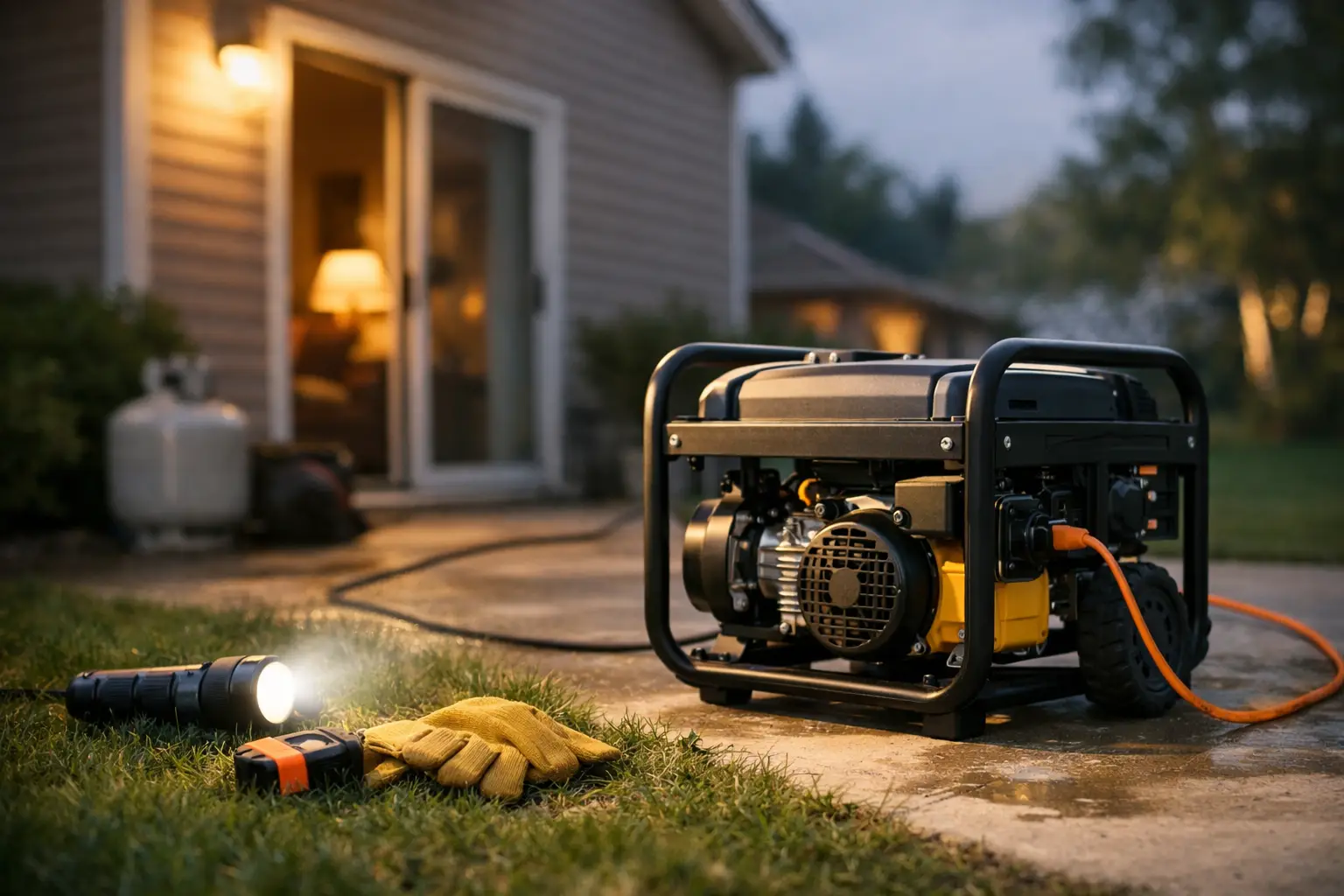
The safest generator setup begins with location. Portable generators should always run outdoors, far enough from doors, windows, vents, crawl spaces, and attached garages that exhaust cannot drift inside. Carbon monoxide is the hazard people hear about most, and for good reason. It is invisible, odorless, and dangerous fast.
A covered porch, open garage, or breezeway is not a safe substitute for open outdoor placement. Even if the space feels ventilated, exhaust can build up or move into the house. Place the generator on a dry, level surface where it will not tip, shift, or sit in standing water. If weather is bad, use a generator tent or purpose-built
running cover rated for the model. Do not throw a tarp over the unit while it is operating.
Distance recommendations vary by manufacturer, so the manual should always be your final word. Many users aim for at least 20 feet from the home with the exhaust pointed away from occupied spaces. That is a practical starting point, not a universal rule.
Choose a setup that matches your use case
A lot of safety problems come from buying the wrong machine for the job. If you only need to run a refrigerator, Wi-Fi router, phone chargers, and a few lights, a quality
inverter generator is often easier to manage than a larger contractor-style model. It is typically quieter, more fuel efficient under light loads, and friendlier for electronics.
If you need to support a well pump, sump pump, furnace blower, or multiple appliances during an outage, you may need a higher-output portable generator with a transfer switch or interlock setup. That adds complexity, but it can also be safer than running extension cords all over the house. The trade-off is cost and installation effort.
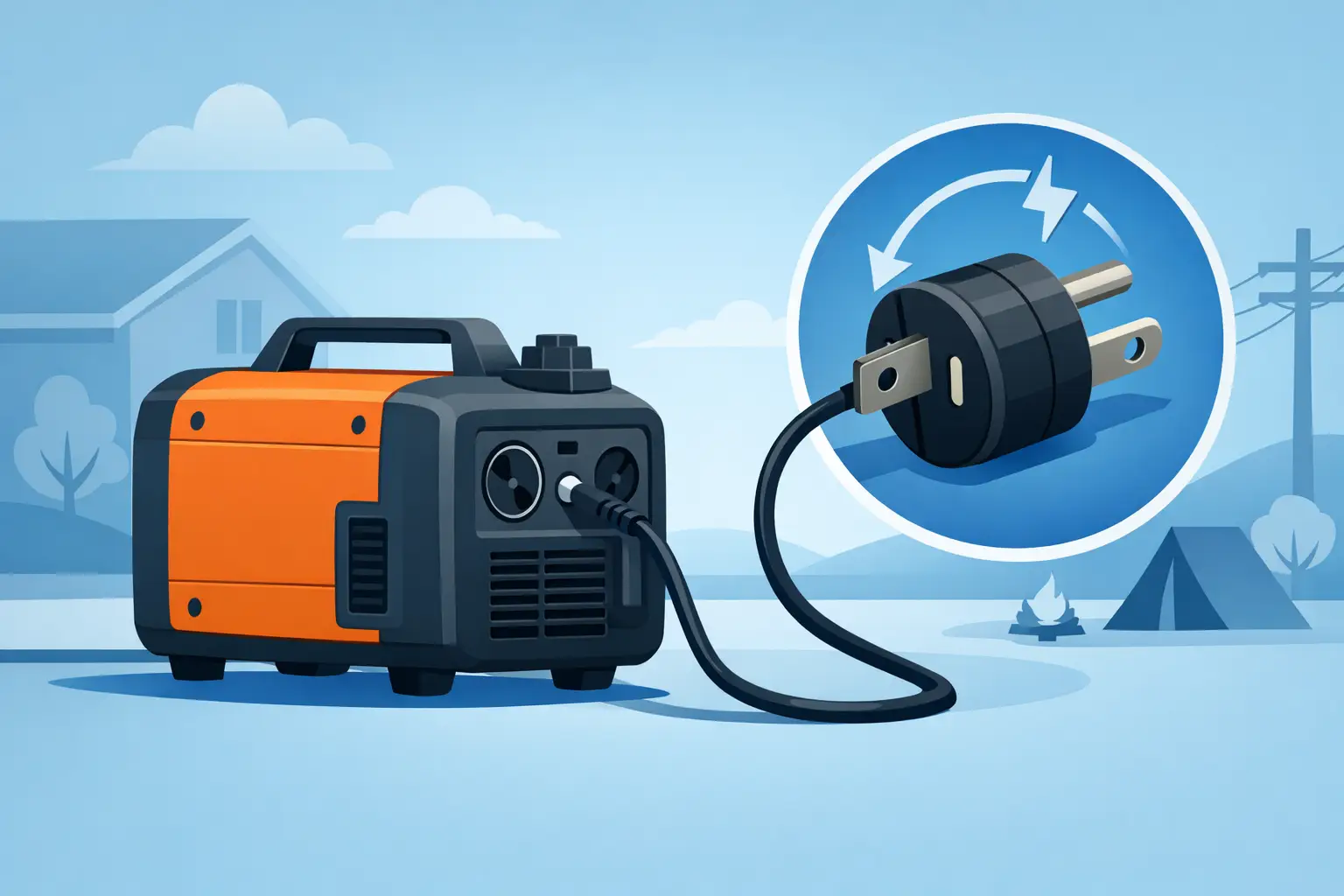
For RV owners and campers, the electrical side is different again. You may need the correct adapter, surge protection, and in some cases a bonding plug depending on the generator design and the equipment you are powering. This is one of those areas where the safest answer is not always obvious from the outlet shape alone.
Never backfeed a house
If there is one shortcut to avoid completely, it is backfeeding. That means plugging a generator into a household outlet to power home circuits. It is extremely dangerous, illegal in many areas, and can injure utility workers or damage your electrical system.
If you want to power built-in household circuits, use a properly installed transfer switch or approved interlock kit installed to code. If you do not have that setup, run individual extension cords directly from the generator to the appliances you need.
Use the right cords and manage the load
Extension cords are part of the safety system, not an afterthought. Use heavy-duty outdoor-rated cords with the correct wire gauge for the amperage and length involved. Thin household cords can overheat, drop voltage, and damage connected devices.
It also helps to think in starting watts and running watts. Refrigerators, freezers, pumps, and air conditioners often need a brief surge of extra power to start. If your generator is rated too close to the total demand, startup loads can trip breakers or strain the unit. That does not always create an immediate hazard, but it can shorten generator life and make operation unpredictable.
A good rule is to start with the largest essential load first, then add smaller loads gradually. Do not connect everything at once and hope for the best. If lights dim sharply or the generator sounds strained, reduce the load.
Sensitive electronics need extra care
Modern electronics are more tolerant than many people assume, but power quality still matters. Computers, newer televisions, medical devices, and battery chargers are generally best paired with a clean-power inverter generator or a quality surge protector rated for generator use. If a device manufacturer gives specific power requirements, follow them.
Fueling mistakes cause a lot of preventable problems
Gasoline, propane, and diesel generators each have their own handling concerns, but the basic safety issue is the same: fuel and heat do not mix well. Never refuel a generator while it is running or while the engine and muffler are still hot. Shut it down and let it cool first.
Store fuel in approved containers and keep those containers away from living spaces, ignition sources, and direct sun when possible. For gasoline models, stale fuel is another common problem. If the generator will sit for long periods, use a fuel stabilizer and follow the manufacturer’s storage guidance. A machine that starts poorly during an outage often gets handled more aggressively, which increases the chance of operator error.
Propane can simplify storage because it does not go stale the way gasoline does, but you still need to inspect hoses, regulators, and tank connections. A dual-fuel generator can be a smart choice for preparedness because it gives you options, though it may produce different wattage on propane than on gasoline.
Weather, grounding, and moisture are where people get uncertain
Rain and generators are a bad combination unless you are using a proper cover designed for operation. Water around outlets, plugs, and cord connections raises shock risk quickly. Keep all connections off wet ground and check cords for damage before each use.
Grounding is another topic that confuses a lot of buyers. Some portable generators are bonded differently than others, and the right grounding approach depends on how the generator is being used. A unit powering appliances directly with extension cords may not be treated the same way as one connected through a transfer switch. This is also where
bonding plug questions come up for some RV and home applications. The safest move is to confirm the generator’s neutral bonding configuration and follow both the manufacturer instructions and local electrical requirements instead of guessing.
If you are unsure whether your setup needs a grounding rod, transfer switch, interlock, or bonding plug, that is the point to pause and verify – not experiment during an outage.
Startup and shutdown should be routine, not rushed
Safe generator operation gets easier when the steps are consistent. Before starting, check fuel level, oil level, cord condition, and placement. Make sure the load is disconnected or minimized if your manufacturer recommends that. Then start the generator according to the manual and let it stabilize before adding appliances.
During operation, keep children and pets away, watch for unusual vibration or smell, and listen for changes in engine sound. If the generator trips a breaker, do not simply reset it and continue without figuring out why. Overload, short circuits, and bad cords all need attention.
When it is time to shut down, disconnect loads first when appropriate, switch the generator off according to the manual, and let it cool before refueling or storing it. If this sounds basic, that is the point. Safe use is mostly about following the same disciplined routine every time.
A few safety upgrades are worth the money
Not every accessory is necessary, but some are easy to justify. Carbon monoxide detectors inside the home are essential if you own a portable generator. A transfer switch or interlock kit is a smart upgrade for home backup if you plan to use a generator more than once in a blue moon. A weather-rated generator cover, wheel kit, locking cable, magnetic dipstick, and hour meter can also make ownership safer or easier depending on the model.
This is where product choice matters. A generator with CO shutoff, low-oil shutdown, clear overload protection, and accessible outlets is usually a better fit for beginners than a bare-bones unit that saves a little money upfront. TopGeneratorsOnline often recommends shoppers weigh these ownership features just as seriously as raw wattage.
The safest generator is not the biggest one or the cheapest one. It is the one that fits your power needs, your setup, and your ability to use it correctly under stress. When the lights go out, a calm and well-practiced setup beats extra horsepower every time.
CHECK OUT THE BEST PORTABLE GENERATORS AT THE BEST PRICE ON AMAZON 🛒