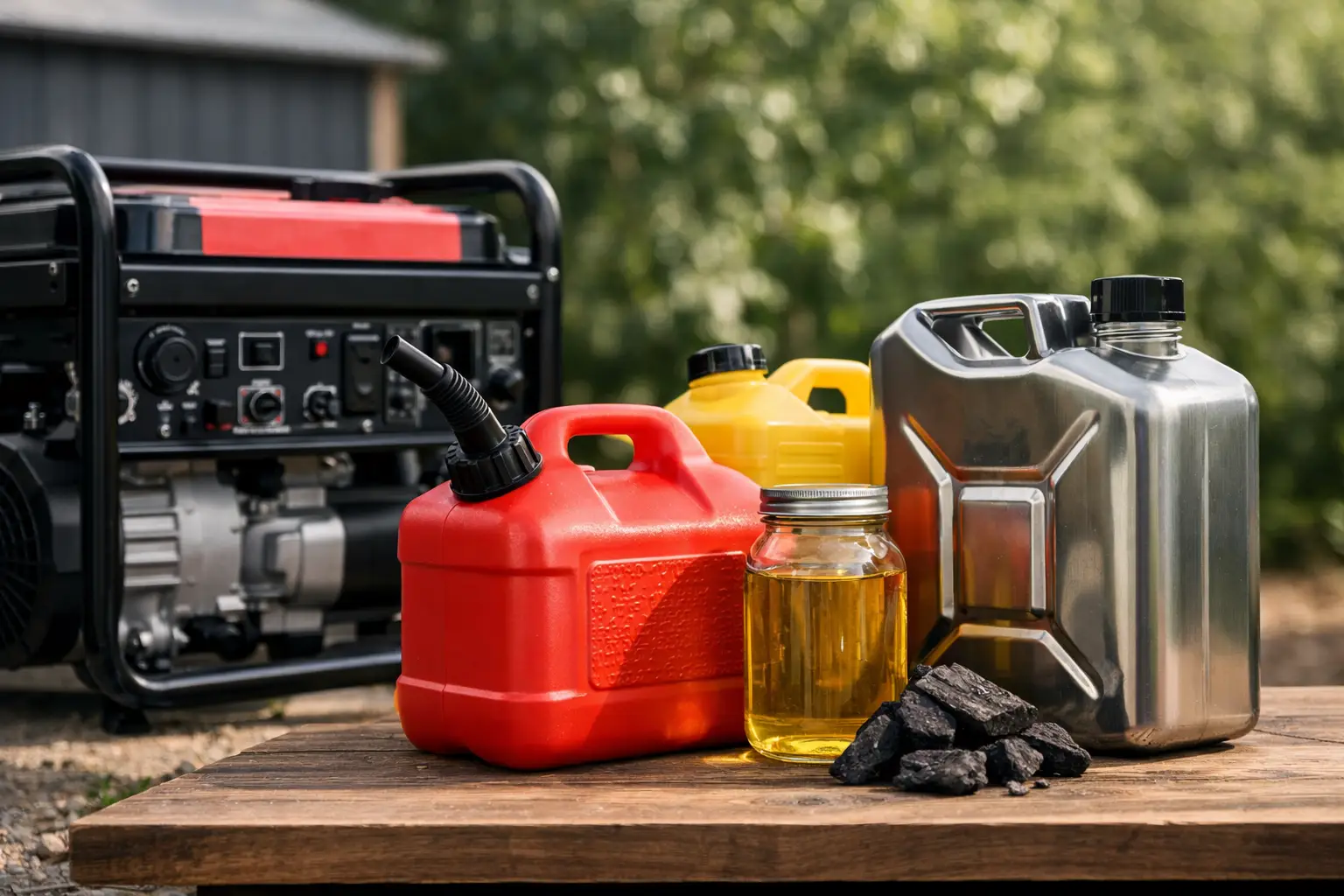
A generator can be ready to run while its fuel is not. That distinction matters most after a storm, when a gasoline can that sat in the garage for two years may leave a perfectly good portable generator sputtering or refusing to start. If you are asking
what generator fuel lasts longest, the direct answer is propane. Properly stored propane does not degrade over time, making it the strongest choice for long-term emergency fuel storage.
That answer needs one important qualifier: the fuel that stores the longest is not automatically the fuel that delivers the longest runtime, costs the least, or works best for every generator. Your right choice depends on whether you need occasional home backup, frequent RV power, jobsite use, or a whole-home standby system.
What Generator Fuel Lasts Longest in Storage?
Propane has the clear advantage for shelf life. Unlike gasoline and diesel, it is not prone to oxidation, water absorption, or varnish formation. A sealed propane cylinder can sit for years and still contain usable fuel, provided the tank itself remains in safe condition.
Natural gas also does not spoil, but it is usually supplied through a utility line rather than stored at your home. That makes it a convenient long-term fuel source for a standby generator, although it is not the same as having fuel on hand. A major disaster can interrupt natural gas service, and some utilities may reduce pressure during extreme demand.
Diesel generally stores better than gasoline, but it still ages. Untreated diesel may remain dependable for roughly six to 12 months. With a quality stabilizer, clean dry storage, and periodic inspection, it can often be kept for 12 to 24 months. Water contamination and microbial growth are the major threats, especially in partially filled tanks exposed to temperature swings.
Gasoline has the shortest practical storage life. Regular gasoline can begin losing volatility in as little as three to six months, particularly if it contains ethanol. Fuel stabilizer can extend that window, often to around 12 months or longer under favorable conditions, but gasoline should still be rotated regularly. Old gasoline is one of the most common reasons portable generators fail during an outage.
Storage Life Is Different From Generator Runtime
A fuel can last a long time on a shelf yet provide less operating time per gallon. Propane contains less energy per gallon than gasoline or diesel, so a propane-powered portable generator often consumes more gallons per hour than the same unit running on gasoline. It may also produce slightly less maximum wattage on propane.
Diesel is highly energy-dense and diesel engines are usually efficient under steady loads. For long runtimes in a work setting or on a large property, a diesel generator with a properly maintained bulk tank can be an excellent setup. The trade-off is higher equipment cost, heavier machines, noise, and more demanding fuel management.
Natural gas can run for days or weeks without refueling as long as utility service remains available. That makes it especially appealing for permanently installed home standby generators. A natural-gas standby unit from brands such as Generac can start automatically during an outage and continue operating without anyone handling fuel cans. However, natural gas generally produces less power than propane in the same generator, and it depends entirely on the gas supply remaining active.
For portable models, gasoline often provides the best mix of output and convenience during normal use. A 5-gallon can is easy to buy and transport, and many inverter generators are optimized for gasoline performance. But it is a weak choice for a fuel reserve you plan to ignore for years.
How Each Fuel Fits Real-World Generator Use
For emergency preparedness, propane is usually the most practical long-storage option. A dual-fuel generator lets you keep propane cylinders ready for an extended outage while preserving the option to use gasoline when it is readily available. A Champion or WEN dual-fuel portable generator, for example, can give homeowners useful flexibility without committing to a permanent installation.
For whole-home backup, propane and natural gas are the leading choices. A large residential propane tank can support a standby generator for a substantial period, but actual runtime depends on generator size, household electrical load, tank size, and outdoor temperature. Natural gas removes the refueling task altogether, but only makes sense where a properly sized gas line and dependable utility service are available.
For camping, RV travel, and occasional remote work, gasoline remains common because it is widely available and compact to carry. Propane is attractive when you already use it for an RV furnace, cooktop, or grill, since it reduces the number of fuel types you need to manage. Check the generator manual before assuming a shared propane connection is appropriate. Hose sizing, regulator capacity, and cylinder demand all affect safe operation.
For frequent commercial use, diesel deserves a closer look. Diesel generators are often built for sustained loads and long service intervals, which can make them a better value for farms, jobsites, and field operations. They are less appealing for a homeowner who only needs a few hours of backup power once or twice a year.
The Best Fuel Choice Depends on Your Priority
Use propane if your first priority is storing fuel for years with minimal maintenance. It is the clearest answer to the storage-life question and a strong match for emergency supplies.
Choose natural gas if you want automatic, extended home backup and have reliable utility service. It is the least hands-on option, but it does not protect you from a gas service interruption.
Choose gasoline if portability, purchase price, and easy refueling matter most. Plan to treat and rotate it, not store it indefinitely.
Choose diesel if you need efficient long-duration operation and are willing to maintain the fuel supply carefully. It is often the better heavy-duty choice rather than the easiest household choice.
Fuel Storage Practices That Protect Your Generator
Even the longest-lasting generator fuel needs proper storage.
Propane cylinders should remain upright outdoors or in a well-ventilated approved location, away from ignition sources and direct heat. Never store propane cylinders inside a house, basement, or attached garage. Check cylinders, valves, and hoses for damage, corrosion, or leaks, and follow local requirements for cylinder inspection and recertification.
Gasoline and diesel should be kept in approved containers designed for that fuel type. Store containers in a cool, dry location away from living spaces, flame, sparks, and appliances with pilot lights. Avoid filling containers to the absolute top because fuel expands as temperatures rise.
For gasoline, use fresh fuel, add stabilizer when you fill the container, label the purchase date, and rotate the supply into a vehicle or other appropriate equipment before it becomes questionable. For diesel, keep containers sealed to limit moisture exposure. If you maintain a larger diesel tank, test it periodically for water and contamination rather than relying on its age alone.
Do not overlook the fuel already inside the generator. If a gasoline generator will sit unused, follow the manufacturer instructions for draining the carburetor or running it dry. Leaving untreated gasoline in a carburetor is far more likely to cause a starting problem than fuel stored correctly in a sealed can.
A Dual-Fuel Generator Gives Most Homeowners a Practical Edge
For many households, a
dual-fuel or tri-fuel generator is the most forgiving buying decision. These models allow you to use gasoline for day-to-day portability while keeping propane as a long-term emergency reserve. Tri-fuel units add natural gas capability, which can be valuable for homeowners who want a portable backup option connected to a properly installed outdoor gas connection.
There are trade-offs. Fuel flexibility can add cost, propane operation may reduce rated output, and natural gas connections require careful sizing and professional guidance when permanent gas piping is involved. Still, having more than one fuel option can prevent a fuel shortage from becoming a power outage.
The fuel that lasts longest is propane, but the best generator setup is the one you can safely store, maintain, and use under the conditions you actually expect. Build your plan around the
appliances you need to power, the fuel you can manage confidently, and a test-run schedule that confirms everything works before the weather turns.