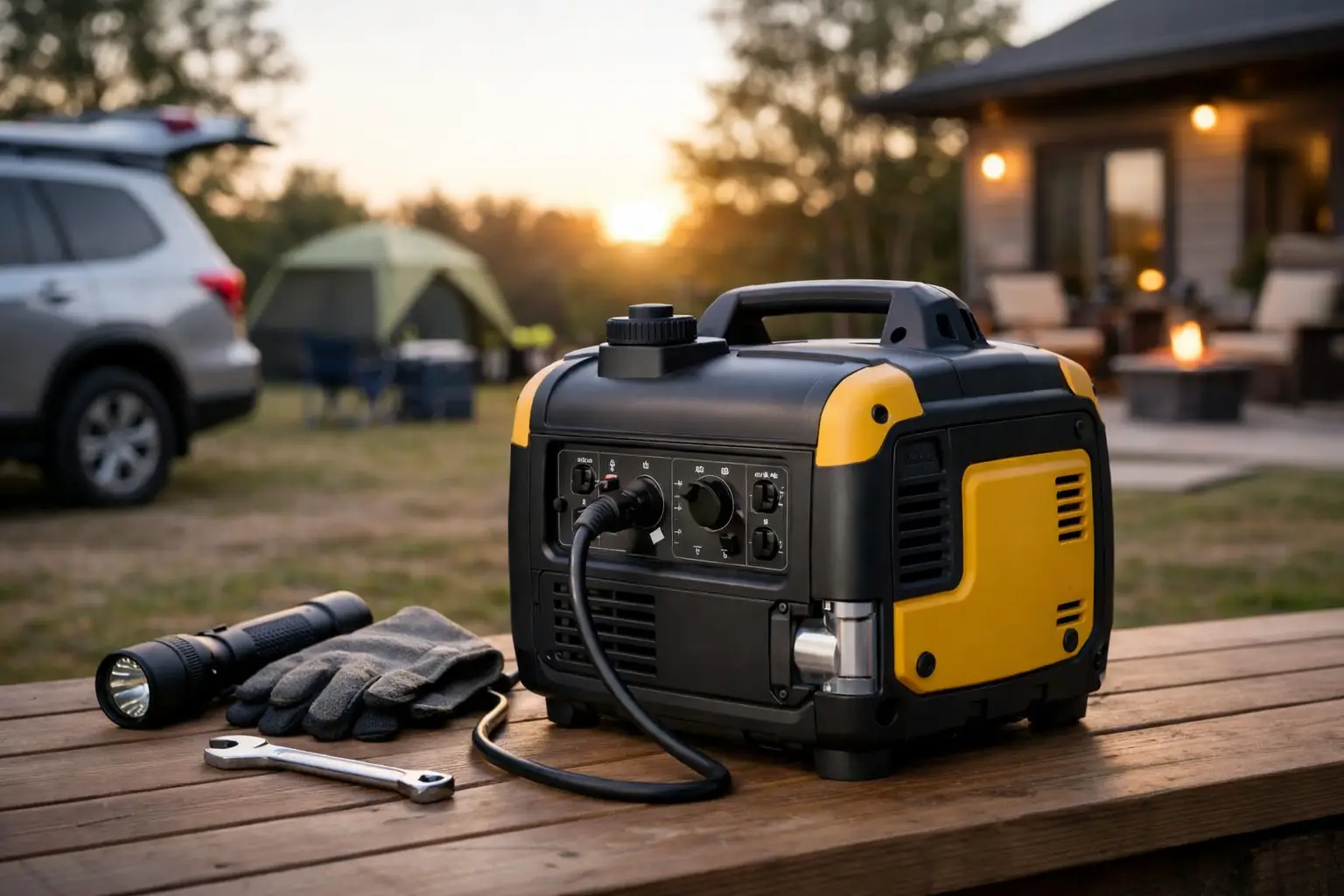
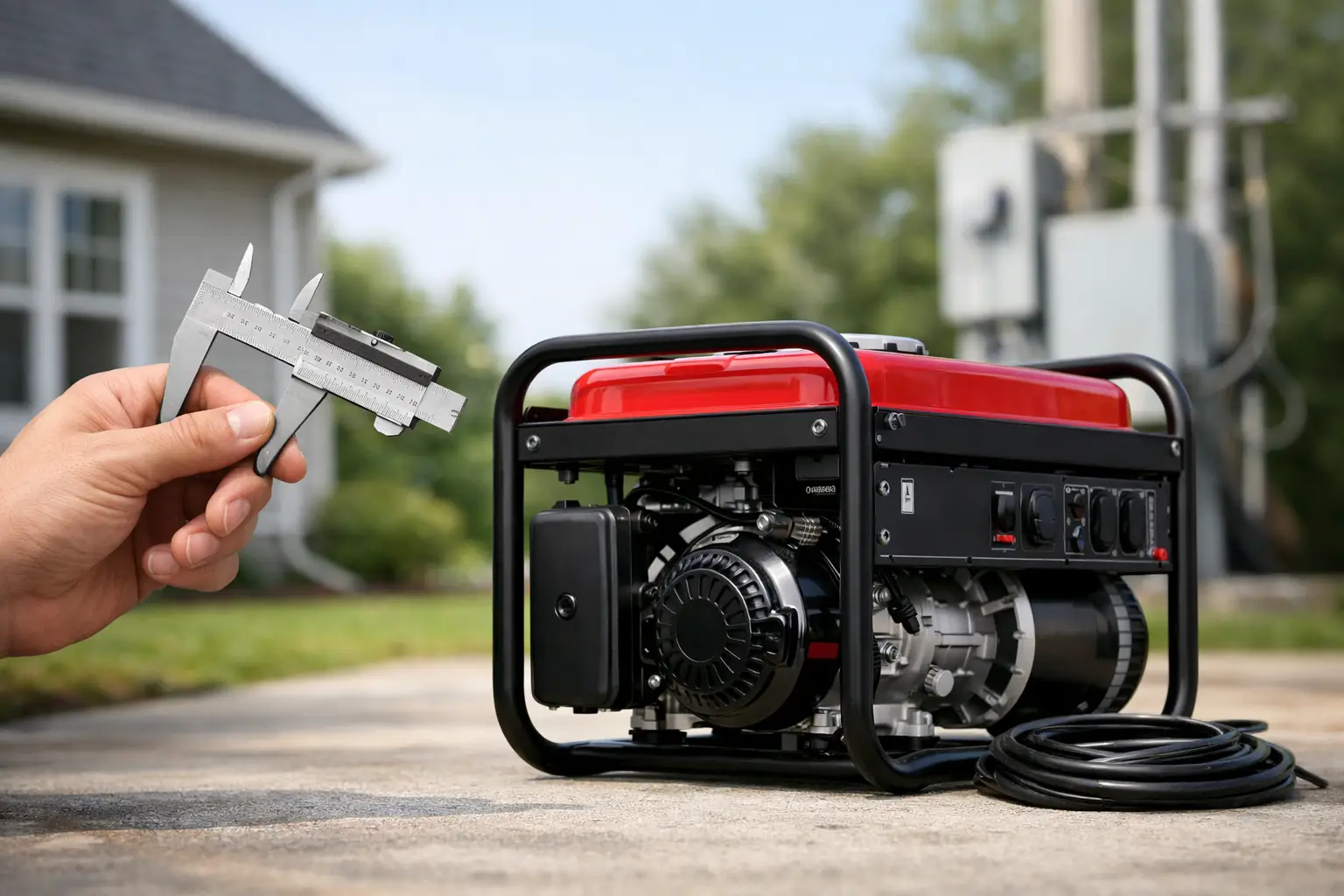
A portable generator usually gets bought in a hurry – right before a storm, ahead of a camping trip, or after one too many outages. That is exactly when expensive mistakes happen. This portable generator buying guide is built to slow the process down and help you match the machine to the job, because the best generator is not the biggest one or the cheapest one. It is the one that powers what you need safely, reliably, and without becoming a maintenance headache.
How to use this portable generator buying guide
Start with your use case, not the product page. A homeowner trying to keep a refrigerator, sump pump, and a few lights running during an outage needs a very different machine than an RVer powering a trailer air conditioner or a contractor running saws on a jobsite.
That sounds obvious, but many buyers still shop by headline specs alone. A generator with a big wattage number can still be a poor fit if it is too loud for camping, too heavy to move, lacks the right outlets, or burns through fuel too quickly. Good buying decisions come from balancing power, portability, runtime, and safety features.
Power output matters more than most buyers realize
The first number most shoppers notice is wattage, and for good reason. If you underbuy here, the generator will not start key appliances or tools. If you overbuy too far, you can end up paying more for size, fuel use, and noise than you actually need.
There are two numbers to pay attention to: starting watts and running watts. Starting watts cover the extra surge many motors need when they kick on. Running watts are what the device uses continuously once it is operating. Refrigerators, freezers, well pumps, air conditioners, and power tools often need more starting power than buyers expect.
For light emergency home use, many people are comfortable in the 3000 to 5000 running watt range. That can cover essentials like a refrigerator, lights, phone chargers, internet equipment, and sometimes a sump pump, depending on startup load. If you want to support more circuits or larger appliances, you may need 6500 watts or more.
For camping and tailgating, smaller inverter generators in the 1800 to 3000 watt class are often the better fit. They are easier to move, quieter, and more fuel efficient under lighter loads. For RV users, the key question is whether the generator can handle the air conditioner startup demand. That is where soft starters and careful load planning can make a major difference.
Portable generator buying guide to fuel type choices
Fuel type changes how a generator behaves in real ownership. Gasoline models are common, easy to find, and often lower in upfront cost. The trade-off is shorter fuel shelf life and more planning if you want to store enough fuel for emergencies.
Propane burns cleaner and stores longer, which appeals to buyers focused on preparedness. The downside is that propane generators may produce slightly less power than they do on gasoline. If you already use propane at home or while RVing, that convenience can outweigh the power drop.
Dual fuel generators are popular for a reason. They give you flexibility during outages and let you choose what is easier to store or refill. Tri-fuel models add natural gas capability, which can be especially attractive for home backup if your house already has a gas supply. Still, natural gas setups are not as portable in practice, and installation details matter.
If you want simple guidance, gasoline works well for occasional general use, propane is strong for storage and cleaner operation, and dual fuel makes sense for buyers who want fewer compromises.
Inverter vs conventional generators
This is one of the most important buying decisions.
Inverter generators produce cleaner power, which is better for electronics like laptops, TVs, routers, CPAP machines, and battery chargers. They are also usually quieter and more fuel efficient because engine speed can adjust to the load.
Conventional portable generators are often more affordable per watt and may be a better fit for heavier backup or jobsite use. They are commonly louder, bulkier, and less refined, but they can offer solid value if sensitive electronics are not the main concern.
For many homeowners, campers, and RV users, inverter models are worth the premium. Popular examples include compact Honda and Yamaha inverter units, as well as more budget-friendly options from Champion, Westinghouse, and WEN. If your priority is running tools, pumps, or basic backup loads at the lowest cost, a conventional model may still be the smarter buy.
Runtime, fuel tank size, and real-world efficiency
Runtime claims can be misleading if you do not read the fine print. Manufacturers often quote runtime at 25 percent load, which may not reflect how you actually plan to use the generator. A unit that runs 12 hours under a light load may last far less when powering a refrigerator, freezer, and sump pump together.
Look at tank size, load rating, and eco mode if the generator has one. Inverter generators with eco throttle tend to stretch fuel better when the power draw is modest. For emergency home use, longer runtime matters because overnight refueling is inconvenient and sometimes unsafe in poor weather.
A good rule is to think in terms of your actual appliance mix, not the best-case number on the box. Efficiency matters most when the generator will run for many hours at a time.
Portability is not just about weight
Many buyers underestimate how much generator size affects ownership. A 100-pound unit with wheels and a strong handle may be easier to manage than an awkward 70-pound model with no mobility kit. If you need to move the generator from storage to a patio, campsite, or truck bed, dimensions matter as much as raw weight.
For camping, small inverter models are usually the easiest to live with. For home backup, larger wheel-kit units make sense if they stay near the house and only move short distances. For jobsite use, durability and frame design often matter more than sleek looks.
If you know you will have to lift the generator alone, be realistic now. Portability problems show up after the purchase, not on the spec sheet.
Outlets, transfer options, and compatibility
Outlet selection is easy to overlook until the day you need the generator. Basic household receptacles may be enough for extension-cord use, but home backup buyers often need a 30-amp outlet for a transfer switch or interlock setup. RV users should check for TT-30 compatibility, and jobsite buyers may need locking outlets for tools and equipment.
This is also where accessory compatibility matters. You may need heavy-duty extension cords,
a generator cover, a bonded or floating neutral setup depending on your application, and adapters for specific plugs. TopGeneratorsOnline often emphasizes these ownership details because they are where otherwise good generator choices become frustrating.
If you plan to connect a generator to home circuits, make sure the transfer equipment and generator output are compatible. That is not the place for guesswork.
Noise, safety, and what not to compromise on
Noise matters more than buyers expect. For camping, neighborhood use, and overnight operation, decibel ratings should be part of the decision. Inverter generators usually win here. A loud conventional unit may be acceptable on a remote jobsite but annoying at home.
Safety features deserve equal attention. Look for low-oil shutdown, overload protection, covered outlets, carbon monoxide shutoff, and clear maintenance access. CO shutoff systems are especially valuable because portable generators must never be operated indoors, in garages, or too close to doors and windows.
If a generator seems attractively cheap but skimps on safety features, warranty support, or basic build quality, that lower price can become expensive fast.
What a smart shortlist looks like
A good shortlist usually has three candidates, not ten. One should be the best overall fit, one should be the budget option, and one should be the upgrade pick with a clear reason for costing more. That might mean a dual fuel model for flexibility, an inverter unit for quiet operation, or a higher-output model for future needs.
Focus on practical differences: can it start your key loads, is the runtime believable, are the outlets right, and can you actually move it? Brand reputation matters, but so does local parts support, warranty response, and ease of routine maintenance.
The right generator should leave you feeling prepared, not uncertain. If you are still debating between two models, choose the one that better fits your real-world use, not the one with the flashier spec sheet.