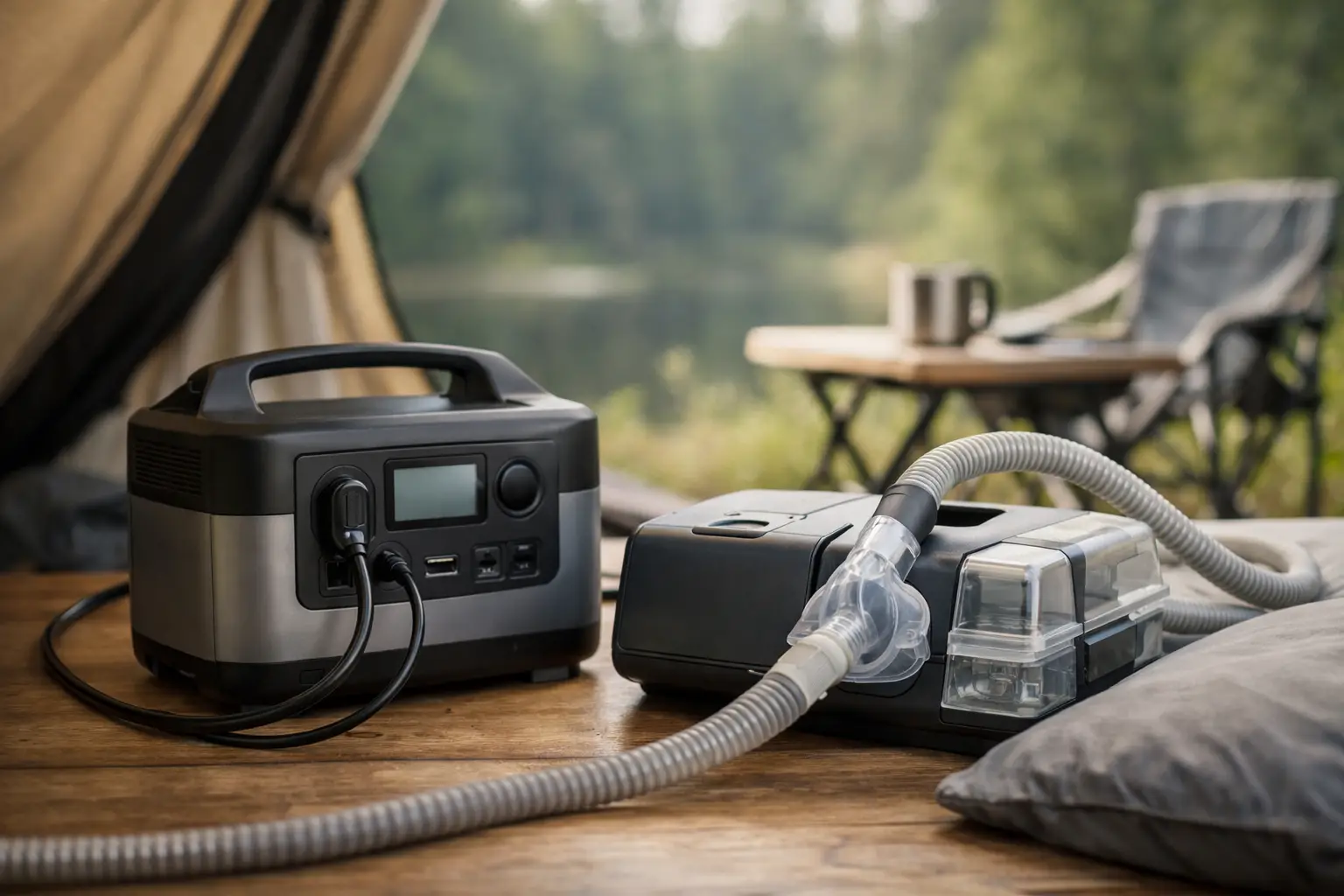
A CPAP machine is not a device you want to gamble with during a blackout, on a camping trip, or while traveling off-grid. If you are shopping for a generator for CPAP machine use, the real question is not just whether it can run – it is whether it can run safely, quietly, and long enough to get you through the night without surprises.
That is where many buyers get tripped up. A CPAP does not usually need a large generator, but the wrong type of power source can create noise, waste fuel, or cause compatibility issues. The best choice depends on whether you need overnight backup at home, portable power for travel, or a longer emergency solution that can also support a few household essentials.
What matters in a generator for CPAP machine use
Most CPAP machines draw far less power than people expect. Many units run somewhere around 30 to 60 watts without a heated humidifier, while models using a heated humidifier or heated hose can pull substantially more. That difference matters because a machine that sips power in one setup can become much harder to support once comfort features are turned on.
This is why nameplate wattage alone does not tell the full story. You need to think about total overnight energy use, not just starting watts. A CPAP that uses 40 watts for eight hours needs very different backup planning than one that runs at 90 watts for the same period.
For most shoppers, the decision comes down to three paths. A compact inverter generator works well for outdoor use or longer outages. A portable power station is often simpler and quieter for overnight bedroom use. A larger home backup generator only makes sense if your CPAP is part of a broader emergency power plan.
Generator vs power station for a CPAP
This is the part that deserves some honesty. If your only goal is running a CPAP overnight indoors, a gas generator is often not the most convenient answer. You cannot run it inside the house or garage, it adds fuel storage to the equation, and even quiet inverter models still produce engine noise.
A
battery power station is usually the easier fit for bedroom backup. It is silent, requires no fuel, and can be used indoors. For a single-night outage, many buyers are better served by a properly sized lithium power station than by a traditional generator.
Still, a portable generator has clear advantages in some cases. It can keep running as long as you have fuel, which matters during multi-day outages. It can also support other loads at the same time, such as lights, a fan, phone chargers, or even part of your refrigerator strategy. If you need more than CPAP coverage, the generator starts to make more sense.
How to size a generator for CPAP machine needs
Start with the CPAP manufacturer label or power supply. Look for watts or amps and volts. If the label shows amps and volts, multiply them to estimate watts. Then factor in how many hours you need the machine to run.
If your CPAP uses 50 watts and you need eight hours of sleep, that is about 400 watt-hours of energy before losses. In the real world, you want extra capacity because inverter losses, charging inefficiency, and changing machine demand all eat into your margin. For battery-based backup, many shoppers should aim above the bare minimum rather than trying to cut it close.
For a gas inverter generator, low wattage is not the issue. Even a small 1,000 to 2,000-watt inverter generator can easily handle a CPAP. The bigger concern is whether you want to use a fuel-powered machine for such a light overnight load. Small inverter models from brands like Honda, Yamaha, Westinghouse, and Champion are typically the right category if you go that route, because they are quieter and deliver cleaner power than basic open-frame units.
Don’t ignore the humidifier setting
Humidifiers and heated hoses can change the whole equation. They can double or even triple overnight consumption compared with running the CPAP alone. If you are trying to stretch runtime, many users temporarily disable heat features during outages. That trade-off is not ideal for comfort, but it can make a backup setup much more practical.
Best types of generator for CPAP machine setups
Small inverter generators
If you want a traditional generator, this is the best fit for most CPAP users. Inverter generators produce cleaner power that is better suited to sensitive electronics, and they are noticeably quieter than conventional portable generators.
A model in the 1,000 to 2,000-watt class is usually plenty for CPAP use and gives you room for a few extra essentials. The downside is that even the quiet ones are still outdoor machines, and you will need extension cord planning, safe fueling habits, and carbon monoxide awareness.
Portable power stations
Strictly speaking, these are not fuel generators, but many buyers searching for a generator for CPAP machine backup are really looking for the safest practical power source. A quality power station from brands like Jackery, EcoFlow, Bluetti, or Anker can be an excellent solution for one night or even multiple nights, depending on battery size and CPAP settings.
This option is especially attractive for apartments, travel, RV use, and anyone who wants indoor-safe backup with almost no setup hassle.
Whole-home standby generators
A standby unit is usually overkill if CPAP support is your only concern. But if you already need automatic home backup for medical needs, refrigeration, sump pumps, or HVAC priorities, then CPAP coverage simply becomes one more load in the plan. In that case, proper transfer equipment and professional installation matter far more than the CPAP wattage itself.
Safety issues you should not brush aside
The biggest mistake with any generator is location. A gasoline, propane, or dual-fuel generator must stay outside and well away from doors, windows, and vents. Never run one in a garage, even with the door open. Carbon monoxide is the reason this advice is repeated so often.
There is also the issue of power quality. Most modern CPAP machines should be paired with an inverter generator or a manufacturer-approved DC or battery solution. Cheap conventional generators may technically run the machine, but they are not the first choice for sensitive medical equipment.
Another detail that gets overlooked is
extension cord selection. If your generator is outside and your CPAP is inside, use a properly rated outdoor extension cord in good condition. Keep connections dry and avoid improvised setups.
Practical buying advice for real-world use
If your goal is camping or RV travel, prioritize quiet operation, low weight, and fuel efficiency. A small inverter generator or a mid-size power station is usually the sweet spot. If your goal is emergency home backup, think about runtime first and convenience second. Multi-day outages reward fuel flexibility and the ability to support more than one device.
It also helps to check whether your CPAP can run from DC power directly. Some machines work more efficiently with a manufacturer-compatible DC adapter than they do through standard AC conversion. That can stretch runtime noticeably when you are using a battery system.
For buyers comparing products, this is one of those categories where the best choice is not necessarily the biggest or most expensive. A 2,000-watt
inverter generator may be better for CPAP backup than a louder 4,000-watt conventional unit. Likewise, a well-sized power station may serve you better than a generator if silence and indoor safety are top priorities.
When a generator is the wrong tool
If you live in a condo, need silent bedside operation, or only want enough backup to sleep through occasional outages, a fuel generator may create more headaches than it solves. Noise, storage, maintenance, and fueling logistics are real drawbacks.
That does not mean it is a bad purchase. It means you should match the equipment to the job. TopGeneratorsOnline often focuses on generator-first solutions, but this is one case where a straightforward answer matters more than forcing a category fit. Sometimes the smarter buy is a battery unit, and sometimes the smarter buy is a compact inverter generator that also covers other household needs.
Before you buy, test your setup. Run the CPAP from your chosen backup source for a full night, with the settings you actually use, not the settings you plan to use in an emergency. That one step tells you more than a spec sheet ever will.
If your sleep depends on powered therapy, backup power should feel boring and predictable. That is exactly what you want when the lights go out.